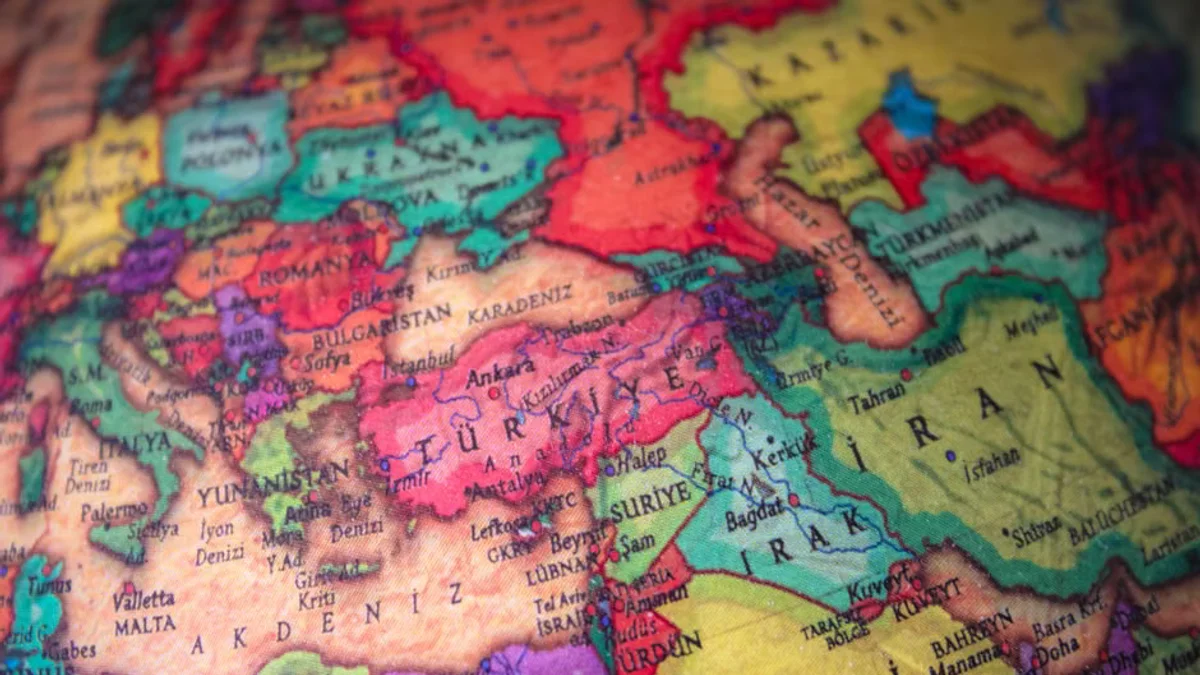
Foreign policy analysts are closely examining strategic dynamics in the Middle East following recent publications regarding potential security cooperation between Washington and Riyadh concerning Houthi military capabilities in Yemen and the Red Sea corridor. Defense commentators note that safeguarding international maritime shipping lanes remains a top priority for both Western economies and Gulf monarchies.
While diplomatic channels continue to explore ceasefire frameworks and humanitarian aid distribution in Yemen, rising tensions involving regional militia groups have kept military readiness elevated. Policy experts suggest that any renewed campaign would require careful calibration to avoid escalating broader regional conflicts while ensuring freedom of navigation through critical trade chokepoints.

Critics and peace advocates warn that military escalation could jeopardize fragile peace talks and worsen humanitarian conditions on the ground. International observers emphasize that a sustainable solution ultimately requires inclusive political dialogue involving all Yemeni factions.
Key Highlights
- Red Sea shipping security remains a vital economic and geopolitical concern
- Analysts assess potential military and diplomatic cooperation frameworks
- Humanitarian groups urge prioritization of peace talks over escalation
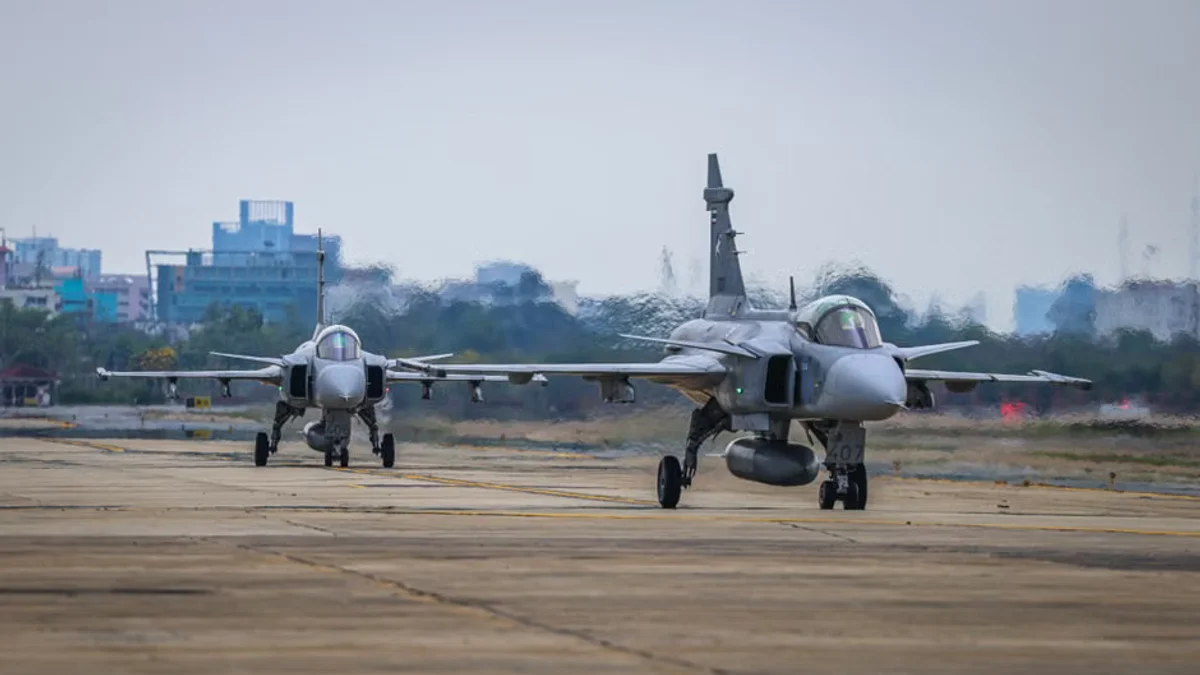
Navigating the complex interplay between maritime defense and regional diplomacy remains one of the defining foreign policy challenges for international leaders.