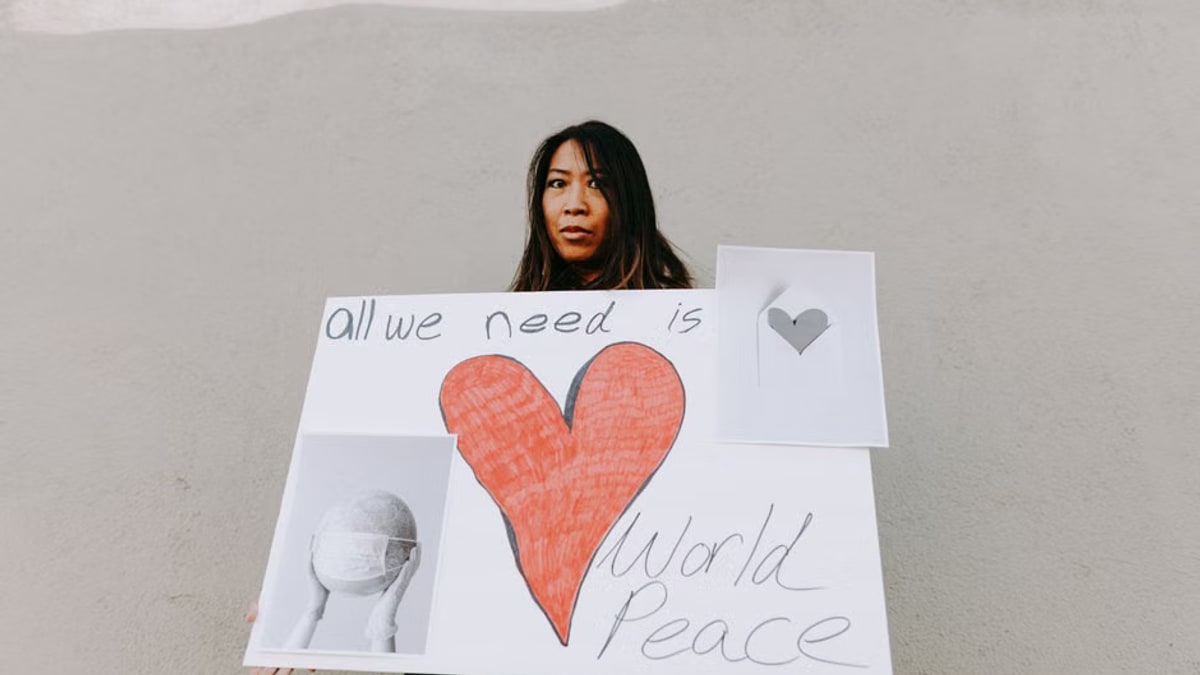
The detention of a U.S. Marine in Okinawa over a brutal murder has triggered powerful demonstrations across the island prefecture, echoing historical tensions that have strained U.S.-Japan security relations for decades. Chanting slogans of 'Not again,' thousands of local residents gathered near U.S. military installations to demand immediate justice and a fundamental reduction of American troop footprints in the densely populated region.
Okinawa hosts the vast majority of U.S. military personnel stationed in Japan under a bilateral security pact, a strategic arrangement that has frequently been marred by controversies involving service member misconduct, noise pollution, and criminal incidents. Local government officials have expressed profound disappointment and frustration, calling on Tokyo and Washington to enforce stricter disciplinary frameworks and re-evaluate the legal protections afforded to foreign troops under the Status of Forces Agreement (SOFA).
The Japanese national government finds itself in a delicate diplomatic balancing act, striving to maintain the bedrock alliance with the United States in the face of escalating security challenges in the Indo-Pacific while appeasing an aggrieved local populace demanding sovereignty and safety.
Key Highlights
- U.S. Marine arrested in Okinawa on murder charges, sparking widespread local outrage.
- Protesters renew longstanding demands to scale down U.S. military presence in Japan.
- Calls grow louder for a comprehensive overhaul of the Status of Forces Agreement (SOFA).
This incident poses a critical test for diplomatic relations between Washington and Tokyo, emphasizing the fragile social license underpinning foreign military bases abroad.