
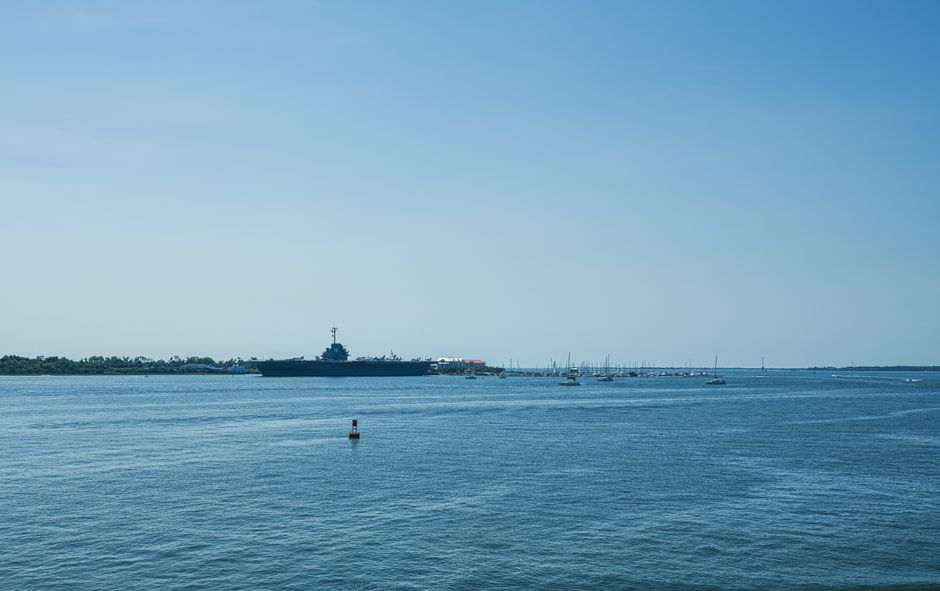
WASHINGTON — In a robust demonstration of modern naval combat readiness, the United States Navy recently conducted a comprehensive sinking exercise (SINKEX), reducing a decommissioned vessel to the ocean floor via coordinated surface, subsurface, and aerial strikes. Such military exercises are meticulously designed to test the lethality, accuracy, and operational integration of advanced American weapon systems.
Defense officials highlighted that the exercise incorporated a diverse array of ordnance, including long-range anti-ship missiles, torpedoes, and precision-guided bombs delivered by carrier-based aircraft. These drills offer critical real-world data on weapon performance under combat conditions, allowing military engineers to refine tactical doctrines for potential high-intensity maritime conflicts.
The timing of the SINKEX aligns with broader strategic pivots by the Pentagon, focusing heavily on anti-access/area-denial (A2/AD) countermeasures and power projection in contested waters such as the South China Sea and the European theater. As geopolitical rivals rapidly modernize their naval fleets, maintaining absolute technological superiority in maritime strike capabilities remains a cornerstone of US defense policy.
Environmental groups and maritime regulators monitor these exercises closely to ensure compliance with stringent marine preservation standards, coordinating drop zones well outside commercial shipping lanes and sensitive ecological habitats. Nonetheless, the primary message projected by the Pentagon is one of unwavering combat deterrence.
Key Highlights
- US Navy executes live-fire SINKEX using advanced precision-guided munitions.
- Exercise tests operational integration of surface ships, submarines, and aviation units.
- Drills support strategic deterrence and modernization against advanced maritime rivals.
- Strict environmental guidelines observed to protect marine ecosystems during disposal.
Ultimately, the successful sinking exercise reinforces the Navy's commitment to maintaining a lethal, globally deployable force capable of securing international sea lanes against any adversary.


