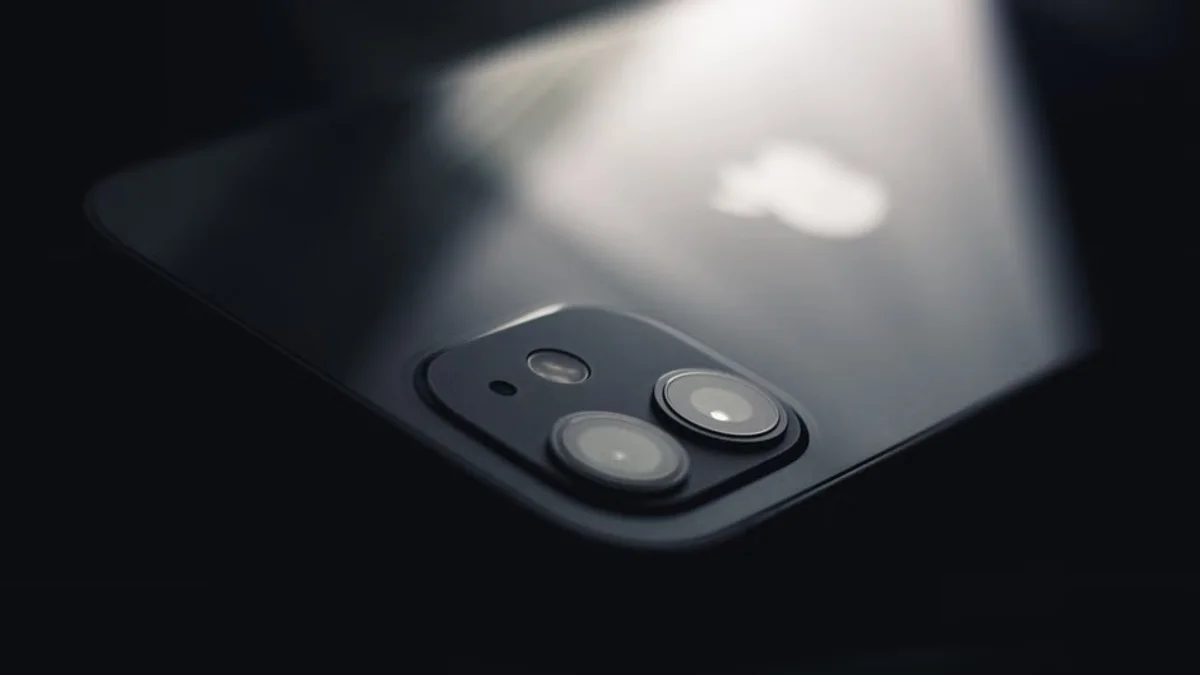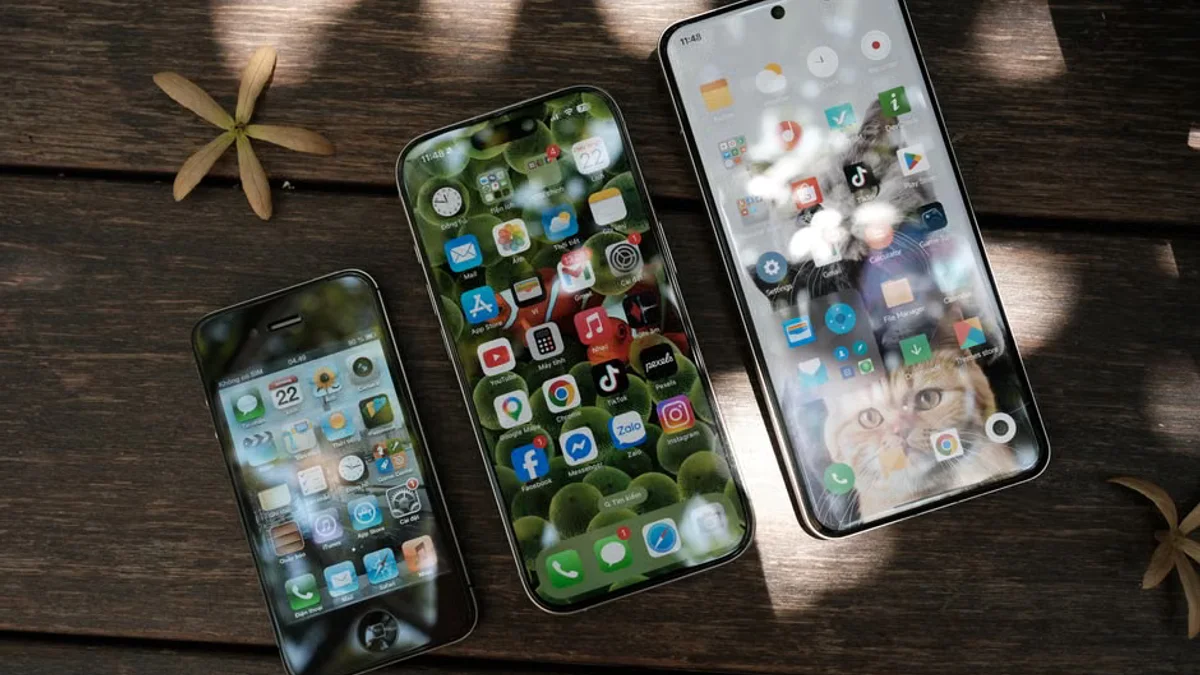
In an aggressive move to capture the next frontier of consumer technology, Apple is reportedly restructuring its ecosystem strategy around advanced artificial intelligence tailored for the smart home. For years, the smart home sector has suffered from fragmentation, complicated setups, and inconsistent voice assistant reliability. By leveraging sophisticated on-device machine learning models and upcoming generative AI capabilities, Apple aims to deliver an intuitive, highly personalized home automation experience that seamlessly anticipates user needs.
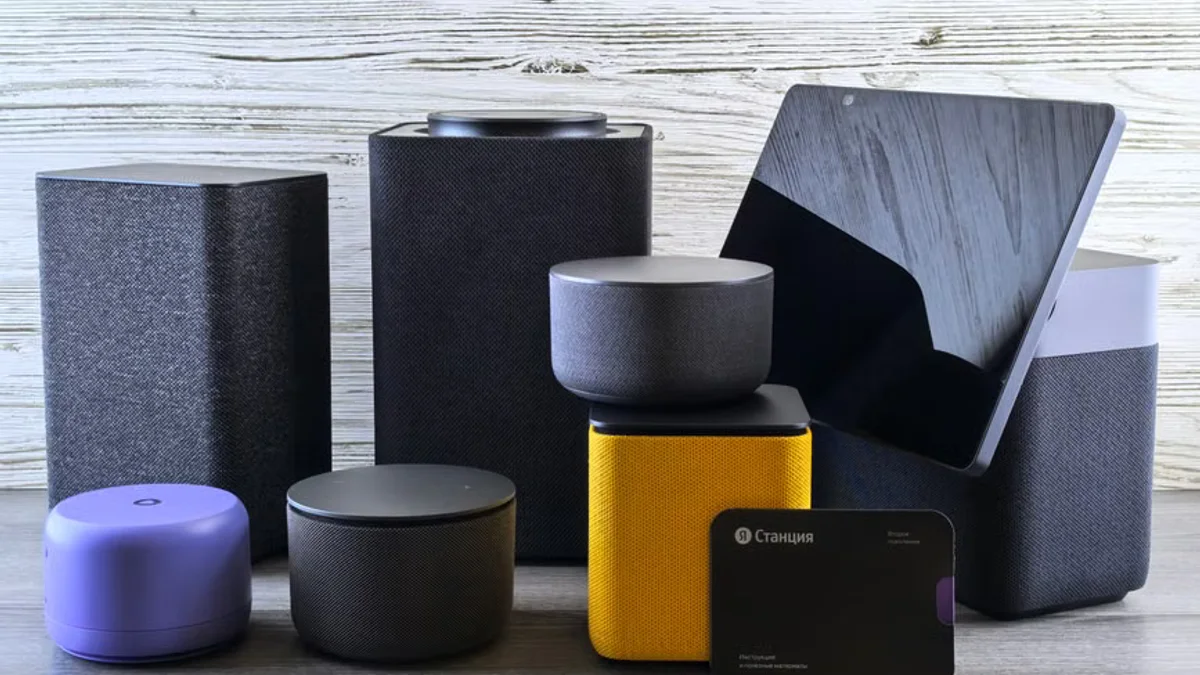
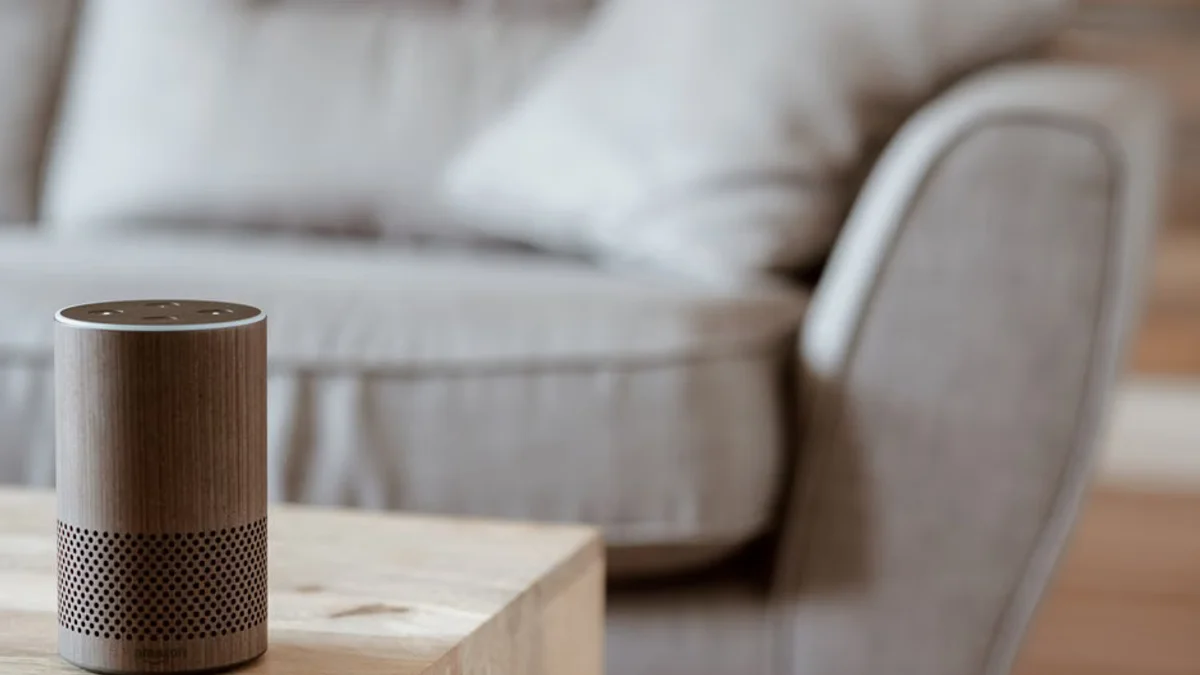
Tech sector insiders indicate that this initiative will integrate deeply across hardware lines, including smart displays, security hubs, and audio devices. Competitors such as Amazon and Google have long dominated the smart speaker and assistant market, but Apple's emphasis on data privacy and unified hardware-software synergy could disrupt the status quo. Market researchers anticipate that successful execution could finally drive mainstream consumer demand for connected living spaces.
Key Highlights
- Apple integrates advanced AI to fix fragmentation in smart homes.
- Focus centers on privacy, predictive automation, and ease of use.
- New hardware lines and software updates expected to drive adoption.
As technology giants race to define the future of domestic automation, Apple's AI-centric approach may well determine whether the smart home finally lives up to its decades-old promise.