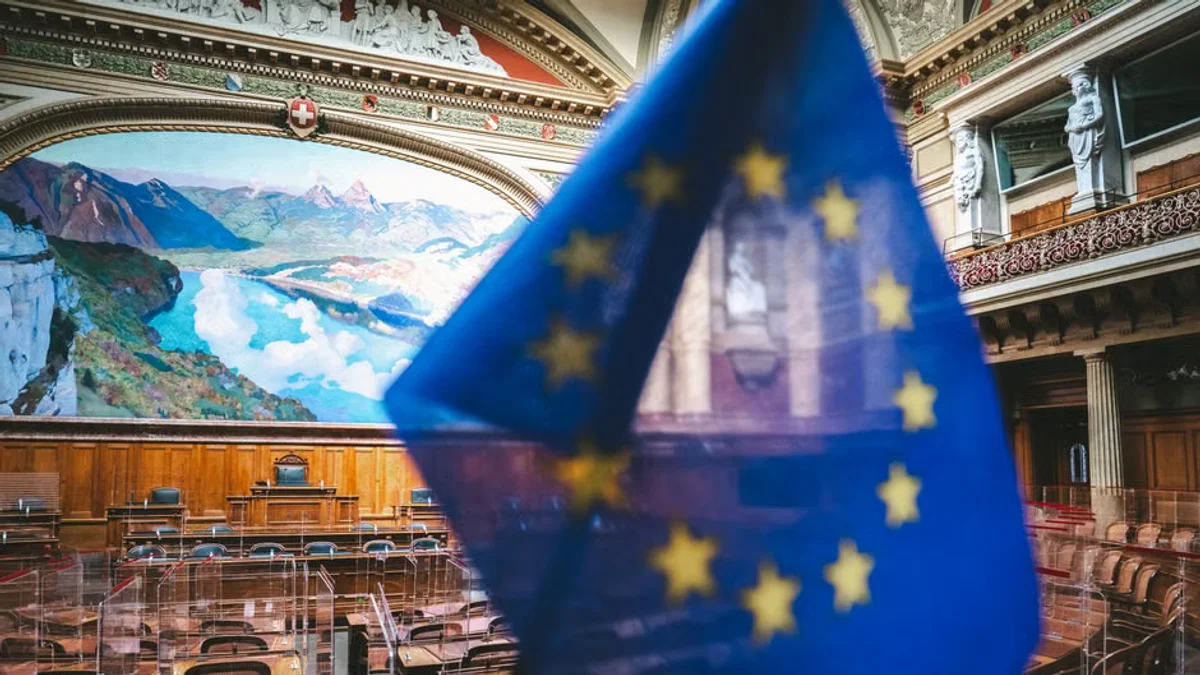
European Union heads of state and government kicked off a pivotal two-day summit in Brussels on Thursday, immediately plunging into contentious debates over persistent high energy prices, structural competitiveness, and the bloc's future multiannual financial framework. Divisions quickly emerged between fiscally conservative northern states and southern capitals demanding greater common borrowing and industrial subsidies.
With industrial powerhouses struggling to compete globally against subsidized manufacturing in the United States and China, leaders faced immense pressure to devise a cohesive strategy to lower electricity bills for European households and factories. However, stark disagreements persisted regarding whether to implement market price caps, overhaul carbon market regulations, or finance cross-border grid interconnectors through centralized European debt issuance.

Adding to the tense agenda was a parallel debate surrounding defense preparedness and budgetary flexibility. Several eastern member states pushed for immediate relaxation of EU deficit limits to finance urgent military modernization programs in light of ongoing security threats on the continent's eastern flank. Conversely, traditional fiscal hawks insisted that existing debt rules must be strictly upheld to maintain market confidence in the euro.
Diplomats acknowledge that substantive breakthrough conclusions on energy and spending timelines may remain elusive until late Friday, given the deeply entrenched national interests at play. The outcome of the Brussels summit will set the macroeconomic trajectory for the European bloc heading into the winter heating season.
Key Highlights
- EU leaders clash in Brussels over persistent high energy costs and industrial subsidies.
- Deep divisions remain between fiscal hawks and capitals demanding joint borrowing.
- Defense spending proposals test the strictness of European fiscal deficit rules.
- Summit conclusions will dictate the bloc's economic resilience strategy for winter.
As Europe navigates a fragile economic recovery amidst fierce global trade competition, the ability of its leaders to compromise on energy and fiscal integration will determine the continent's geopolitical relevance in the years ahead.