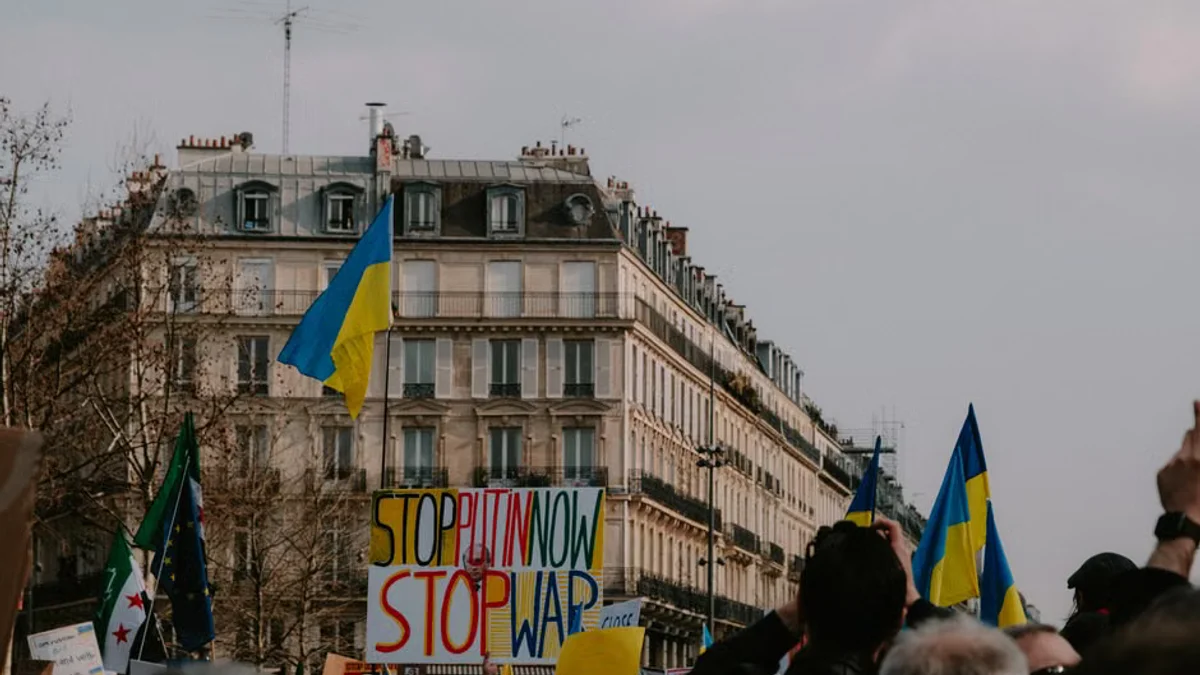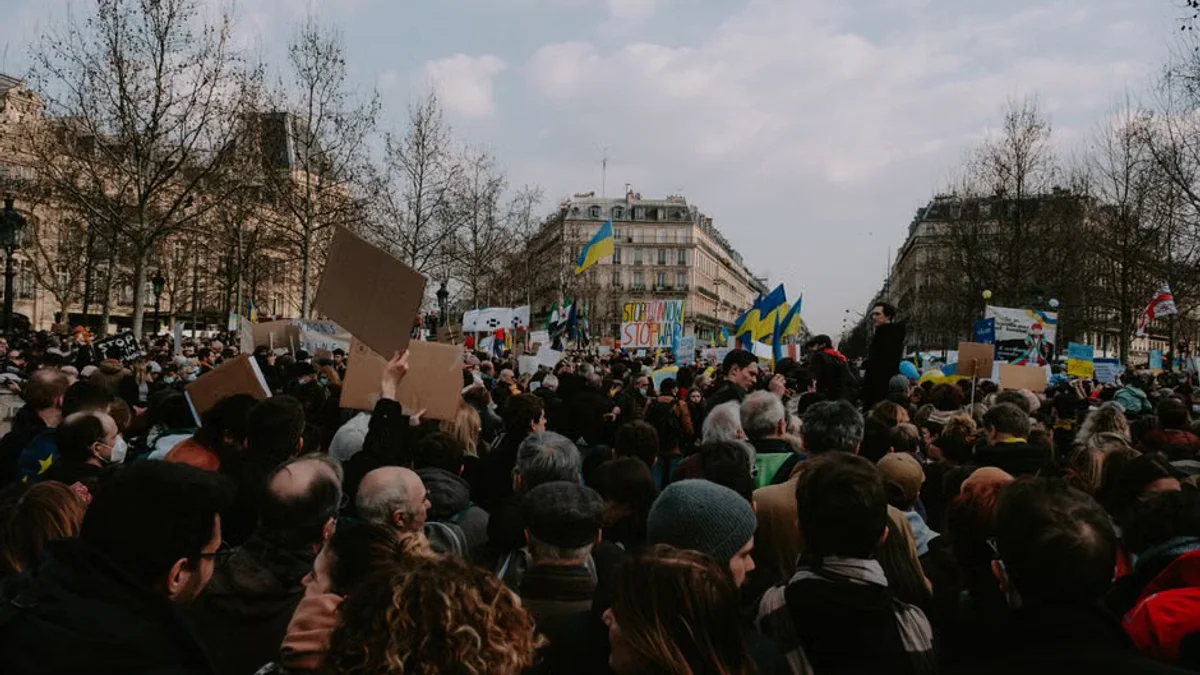
France is preparing for another wave of intense nationwide demonstrations as labor unions and citizen groups organize a second day of mass protests within a single week. Major urban centers, including Paris, Marseille, and Lyon, are expected to experience severe disruptions across public transit networks, educational institutions, and government offices.
The demonstrations are fueled by mounting public frustration over economic pressures, cost-of-living increases, and contentious government reform proposals. Protest organizers have vowed to maintain pressure on the administration of President Emmanuel Macron, demanding immediate policy interventions to protect household purchasing power and workers' rights.
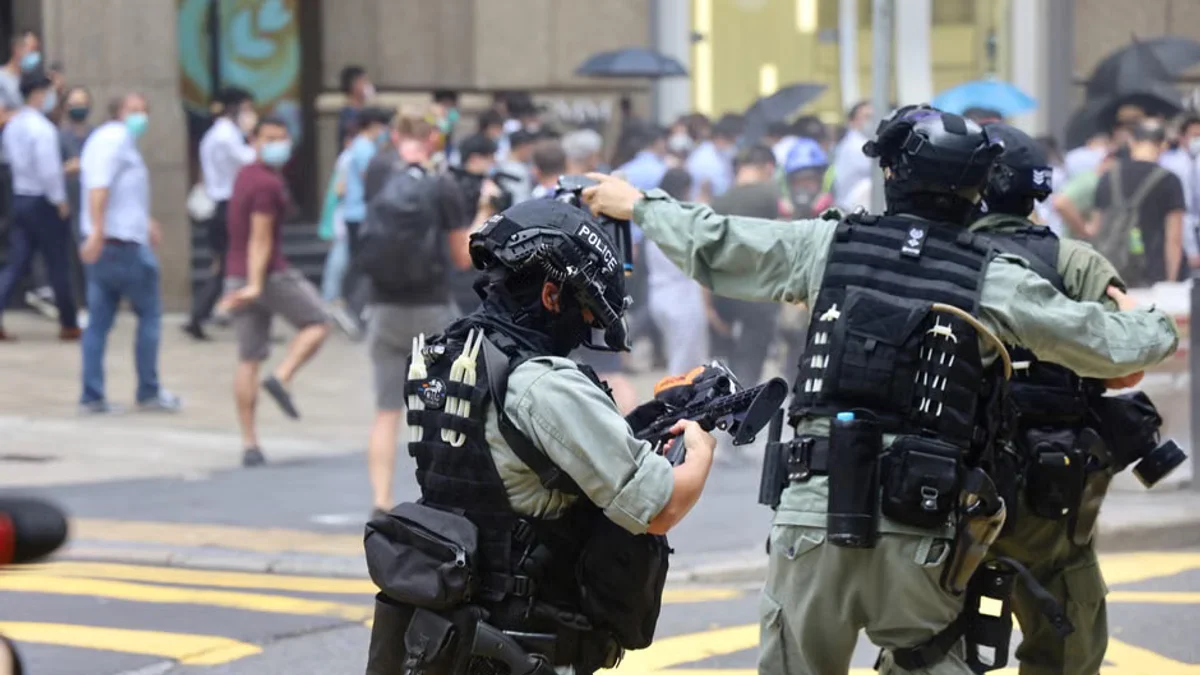
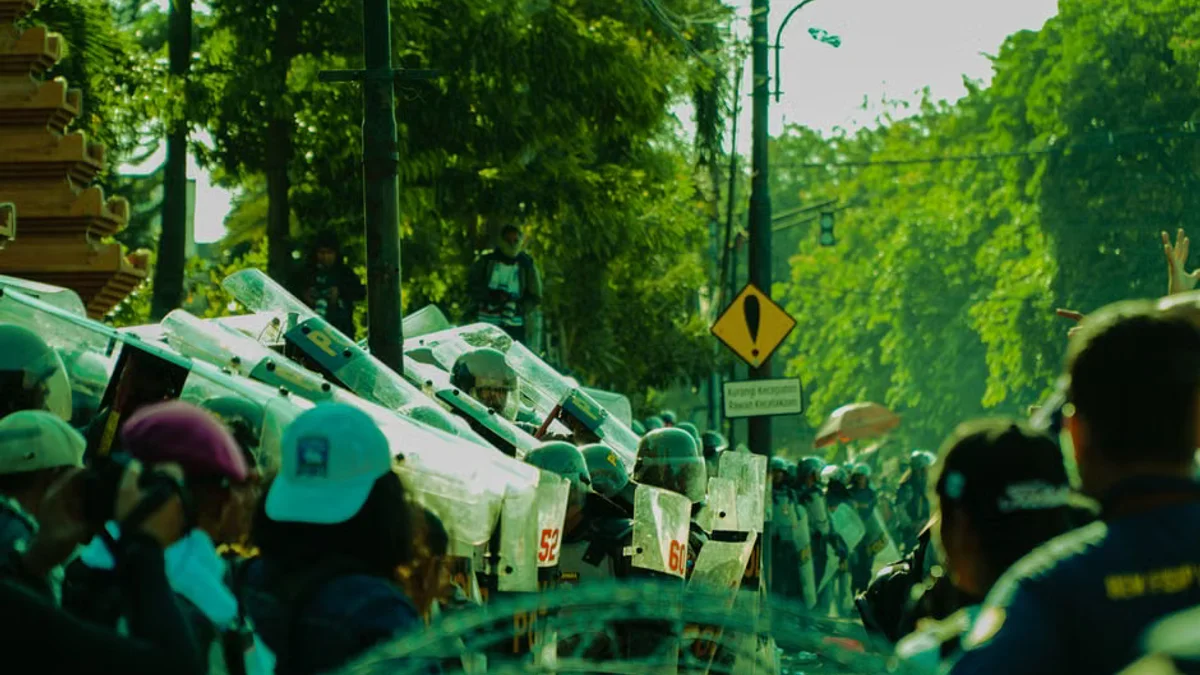
Law enforcement agencies have deployed thousands of security personnel across strategic locations to maintain public order and prevent property damage, mindful of clashes that occurred during previous mobilization efforts. Public transport operators have advised commuters to utilize remote working options where possible, as subway lines, commuter trains, and regional flights face substantial cancellations.
Political analysts note that the ongoing social unrest poses a formidable challenge for the French government as it attempts to balance fiscal responsibility with popular appeasement. The outcome of these high-stakes negotiations and street mobilizations could shape the trajectory of domestic policy for the remainder of the political term.
Key Highlights
- France faces widespread disruptions due to a second day of mass protests.
- Labor unions demand policy actions addressing cost-of-living and economic reforms.
- Security forces deploy heavily in Paris and other major urban centers.
As the standoff between labor organizations and state authorities continues, international observers are closely monitoring the stability of Europe's key economic engine.