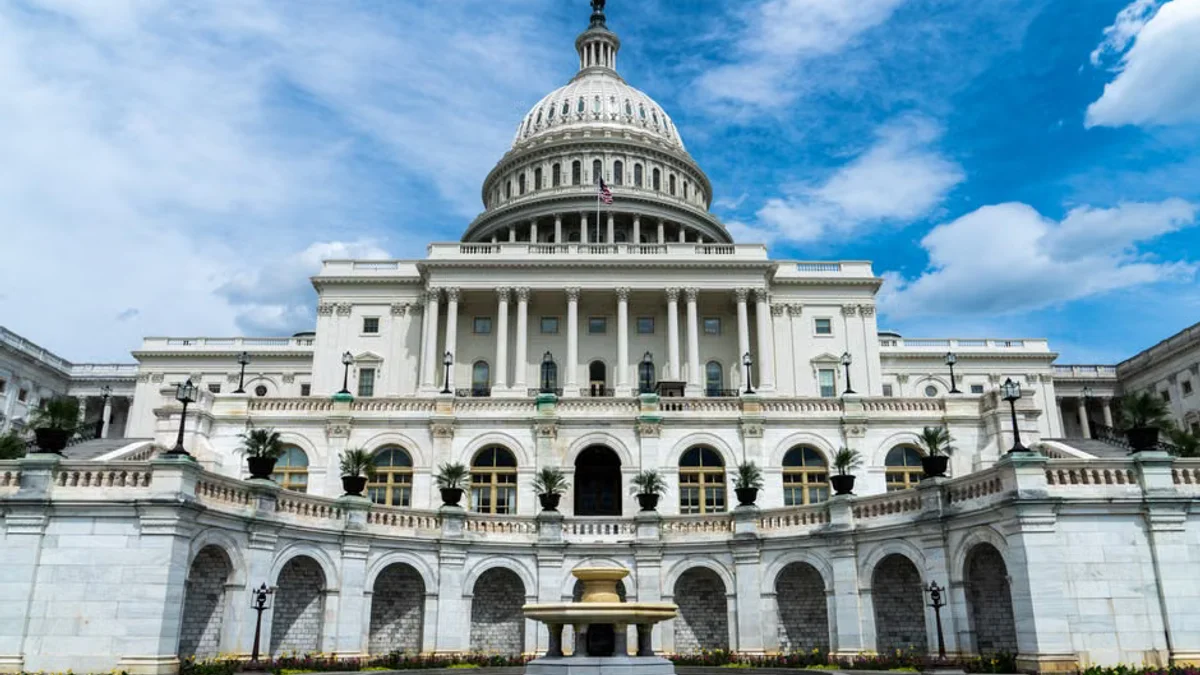
United States Representative Ilhan Omar (D-MN) has once again emerged at the epicenter of fierce geopolitical and domestic policy debate on Capitol Hill, as bipartisan clashes over US foreign assistance, Middle Eastern diplomacy, and human rights oversight escalate in Washington. Global search momentum across North America surged following high-decibel congressional committee proceedings where Omar challenged federal policy directives regarding ongoing humanitarian crises and arms export authorizations.
As a prominent member of the House progressive caucus, Omar has consistently advocated for a fundamental overhaul of Washington’s strategic alliances in the Middle East and the Horn of Africa. Her rigorous questioning of State Department officials regarding civilian casualty oversight and international legal compliance has sparked passionate reactions across both sides of the congressional aisle, reflecting wider fault lines within American politics ahead of crucial legislative deadlines.

Supporters praise the Somali-American lawmaker for her unwavering commitment to international humanitarian law and domestic civil liberties, particularly in defending historically marginalized voices within foreign policy decision-making bodies. Conversely, conservative lawmakers and moderate party figures have accused her of undermining critical diplomatic pacts and fostering counterproductive divisions within international coalitions.
The intensified focus on Omar’s legislative rhetoric mirrors broad voter sensitivity across North America regarding the trajectory of American global leadership. With mounting regional conflicts straining federal budgetary reserves and diplomatic capital, congressional debates led by polarizing figures like Omar increasingly set the tone for legislative negotiations over defense appropriations and executive foreign policy powers.
Key Highlights
- Representative Ilhan Omar has sparked heated legislative confrontations regarding US foreign aid policy and human rights oversight.
- Congressional debates spotlight mounting partisan divisions over military assistance packages in the Middle East.
- Omar remains a defining and vocal leader within the progressive wing of the Democratic Party in the US House of Representatives.
- The debates underscore an escalating legislative struggle over congressional limits on presidential foreign policy authorities.

As the United States navigates an increasingly volatile multipolar world, legislative battles on Capitol Hill led by voices like Omar will dictate the boundaries of American diplomatic leverage for years to come.