Tensions Surrounding the Proposed Tiranga March in Connaught Place

Security arrangements and political tensions have intensified in the national capital following a call for a Tiranga march by the Cockroach Janta Party (CJP). Ahead of the planned procession around Connaught Place's Central Park, law enforcement agencies deployed heavy security to maintain public order. The detention of CJP founder Abhijeet Dipke right before the event has triggered widespread debate over administrative actions and civil liberties.
Local municipal authorities and the police had enforced prohibitory orders under Section 163 of the Bharatiya Nagarik Suraksha Sanhita (BNSS) in the vicinity to prevent any potential breach of peace. Central Park was temporarily restricted to the public. Despite these measures, several supporters and student activists gathered, leading to increased friction between demonstrators and security personnel.
CJP Alleges Unlawful Detention and Denied Legal Access
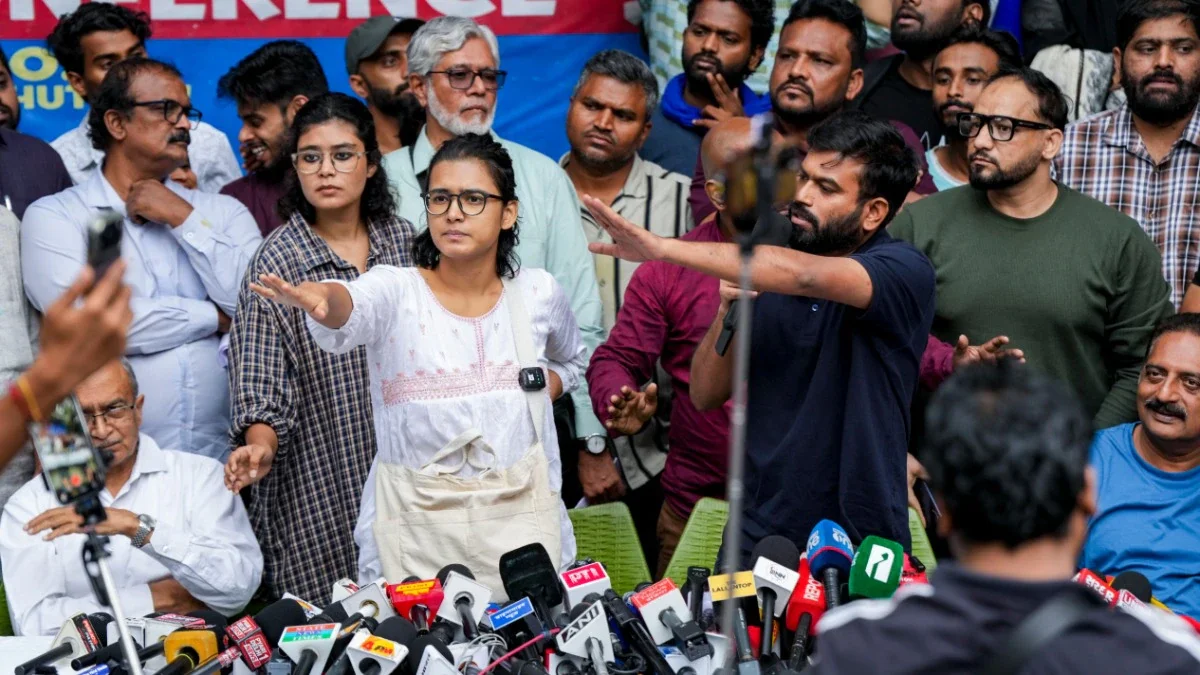
Following his detention, leaders and members of the Cockroach Janta Party expressed deep outrage over the lack of transparency regarding Abhijeet Dipke's whereabouts. Senior party functionaries visited various police stations seeking official confirmation of his location. They alleged that police not only picked him up arbitrarily but also denied his legal counsel the right to meet him, raising serious questions about due process.

CJP's legal head criticized the police action, arguing that urging citizens to unfurl the national flag cannot be classified as a crime in a democratic nation. The party maintained that peaceful expressions of dissent are fundamental rights that should not be curtailed arbitrarily under the guise of preventive detention.
"The administration must maintain a balance between public order and democratic rights. Denying access to legal representation violates established legal norms and raises serious constitutional concerns." — Ratna Singh, Legal Head, CJP
Police Justify Action Citing Precedent and Peace Bond Violations
In response to the allegations, Delhi Police defended the detention, stating that the measures were implemented strictly according to the law. Officials stated that notices were served to the organizers beforehand, advising them against proceeding with unauthorized gatherings in sensitive zones. Furthermore, authorities pointed out that Dipke had previously executed a peace bond, the conditions of which were allegedly breached.
Police initiated procedures to produce him before a Special Executive Magistrate (SEM) under relevant preventive sections of the law. Officials emphasized that maintaining peace and preventing potential disruptions in the capital remains their primary responsibility.
Student Activism and Subsequent Releases
The unfolding events also drew involvement from student groups, including the All India Students Association (AISA). National president Neha Bora was detained during demonstrations near Mandi House. Student representatives raised concerns over the handling of detainees during transit and alleged delays in medical assistance, though Bora was subsequently released by authorities.
Political observers note that such demonstrations highlight ongoing friction between emerging political groups seeking visibility and the state apparatus enforcing strict public order guidelines. The fallout from these detentions is expected to witness further legal and political scrutiny in the coming days.