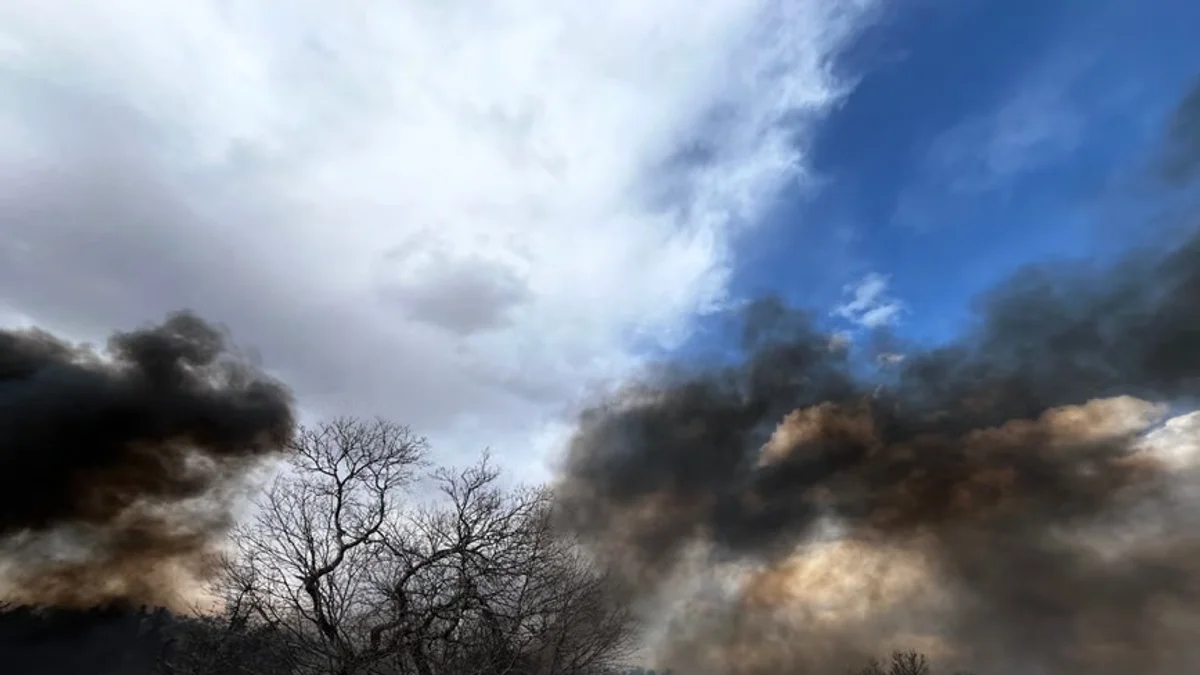
Federal, state, and local firefighting agencies are aggressively combating the rapidly advancing Norte Fire as severe meteorological conditions complicate containment efforts across the affected region. Driven by unseasonably dry brush, low humidity, and erratic wind gusts, the wildfire has prompted immediate emergency declarations and mandatory evacuation orders for residents in threatened zones.
Interagency coordination centers have deployed hundreds of elite firefighters, aerial tanker assets, and heavy machinery to establish critical containment lines along the perimeter of the blaze. Incident commanders reported that extreme fire behavior has made direct attack strategies difficult in certain rugged terrains, forcing crews to prioritize structural defense and strategic backburning operations to safeguard local communities.

Governor and local emergency management officials held joint press briefings to urge strict adherence to evacuation directives, emphasizing that public safety remains the paramount objective. Evacuation centers have been swiftly established, with local volunteers and relief organizations providing shelter, medical assistance, and logistical support to displaced families.
Environmental scientists and climate analysts point to persistent regional drought conditions and shifting weather patterns as key contributing factors to the heightened wildfire risk characterizing the current season. As firefighters work tirelessly around the clock, weather forecasts for the upcoming 48 hours will prove critical in determining whether containment efforts can successfully outpace the advancing flames.
Key Highlights
- Norte Fire spreads rapidly amid severe dry conditions and high winds.
- Emergency agencies issue mandatory evacuations and deploy aerial firefighting assets.
- Climate factors and regional drought highlight ongoing wildfire management challenges.

The unfolding situation underscores the escalating threat posed by extreme weather events and the vital importance of robust emergency preparedness and rapid response infrastructure.