The bi-annual ritual of changing clocks back and forward continues to spark intense frustration and debate across North America and Europe. Search traffic for time change schedules has spiked as citizens brace for darker afternoons, reigniting discussion over the health and economic impacts of twice-yearly time transitions.

Sleep researchers and medical associations strongly advocate for permanent standard time, citing studies linking clock changes to cardiovascular spikes, workplace accidents, and reduced productivity. Conversely, retail and hospitality sectors frequently lobby for permanent daylight saving time to extend evening shopping and leisure hours.
Key Highlights
- Scientific consensus warns of adverse cardiovascular and circadian health effects.
- Economic studies highlight temporary productivity losses following seasonal transitions.
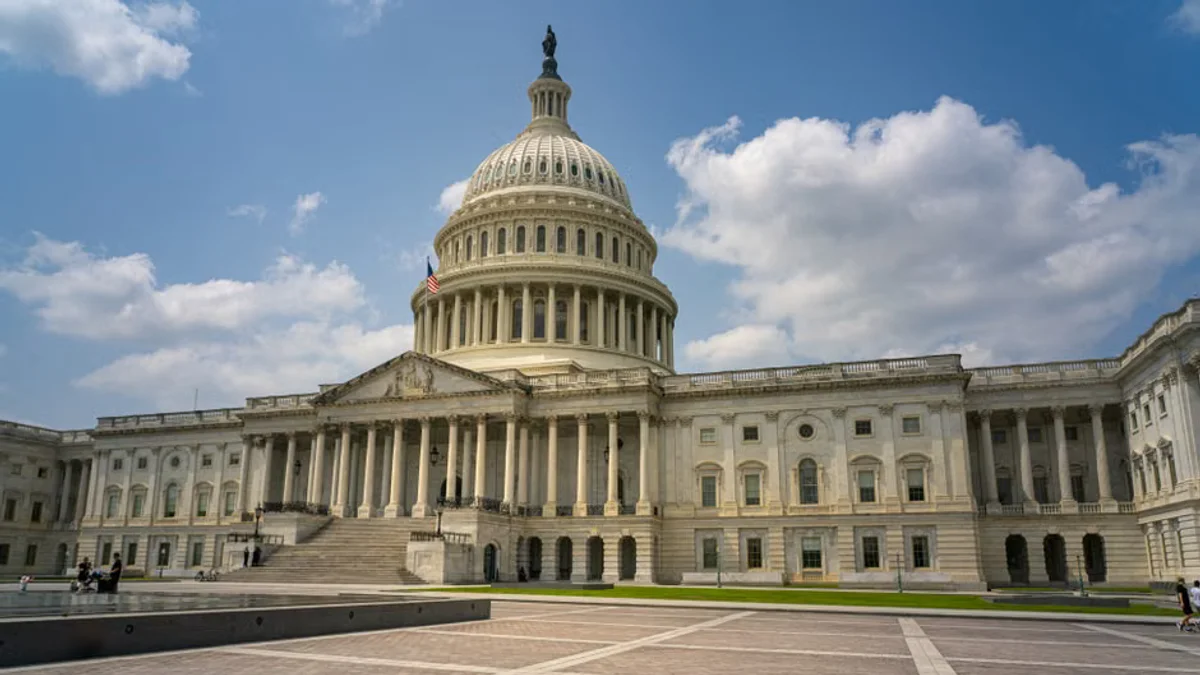
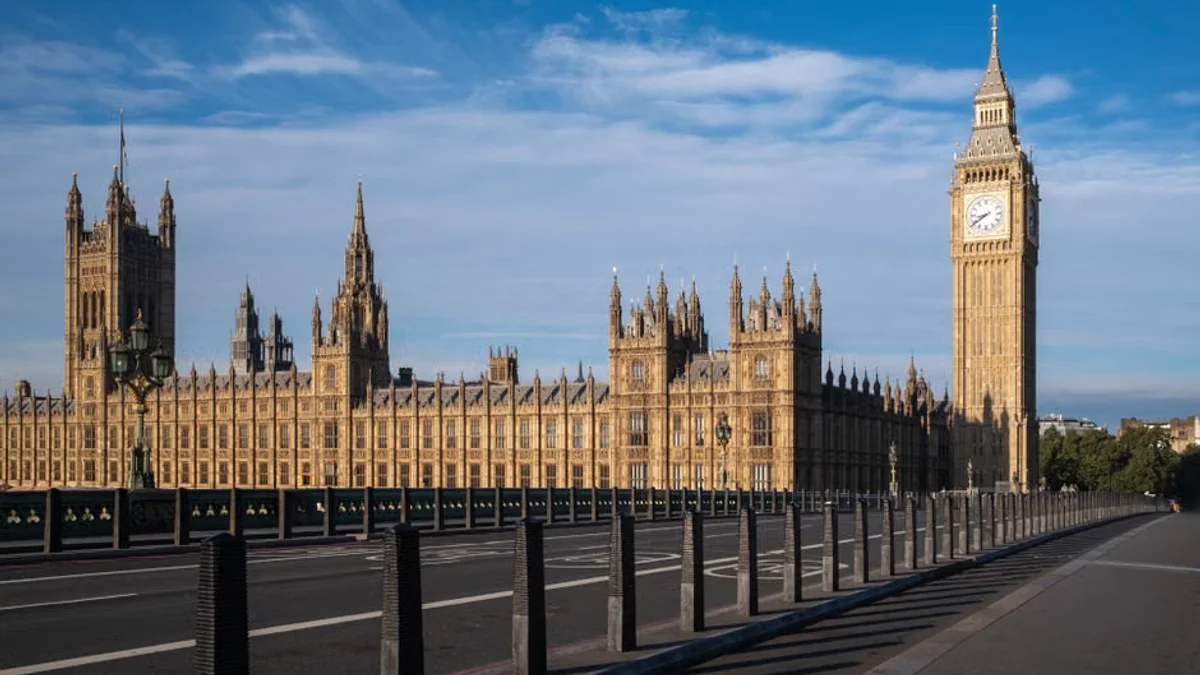
- Federal legislative bills in the US and EU remain stalled despite broad bipartisan interest.
Until legislative bodies pass synchronized national standards, millions of global citizens will continue adjusting their clocks, living through a century-old practice that many experts deem obsolete in the modern era.