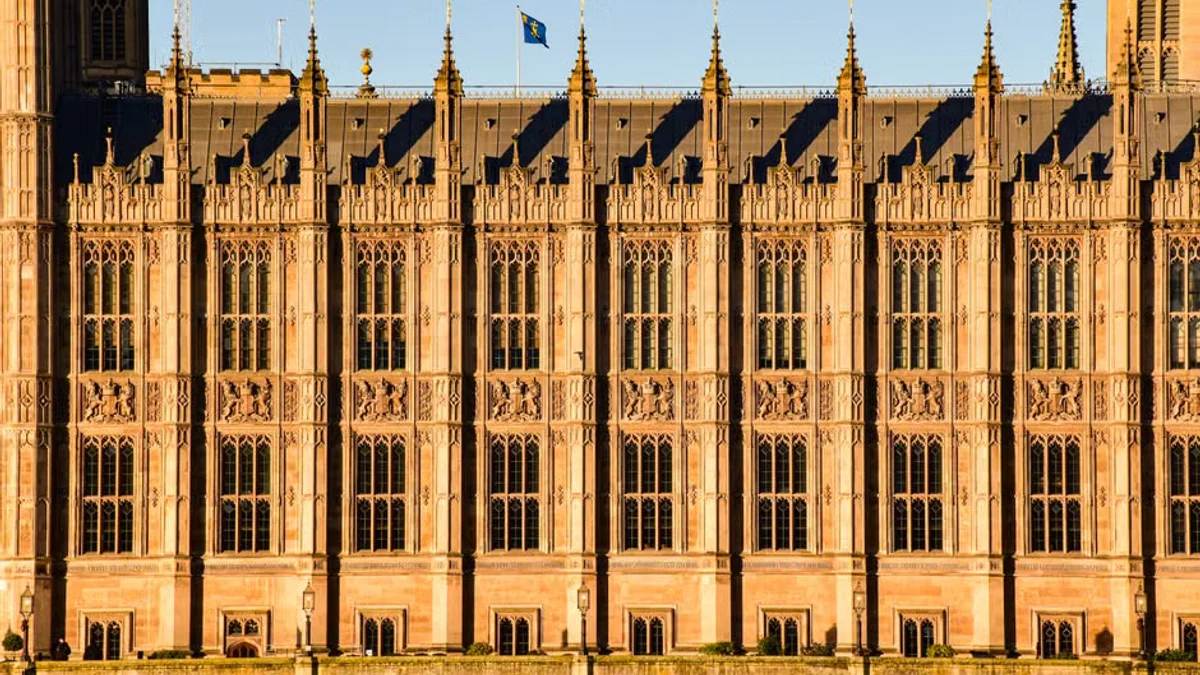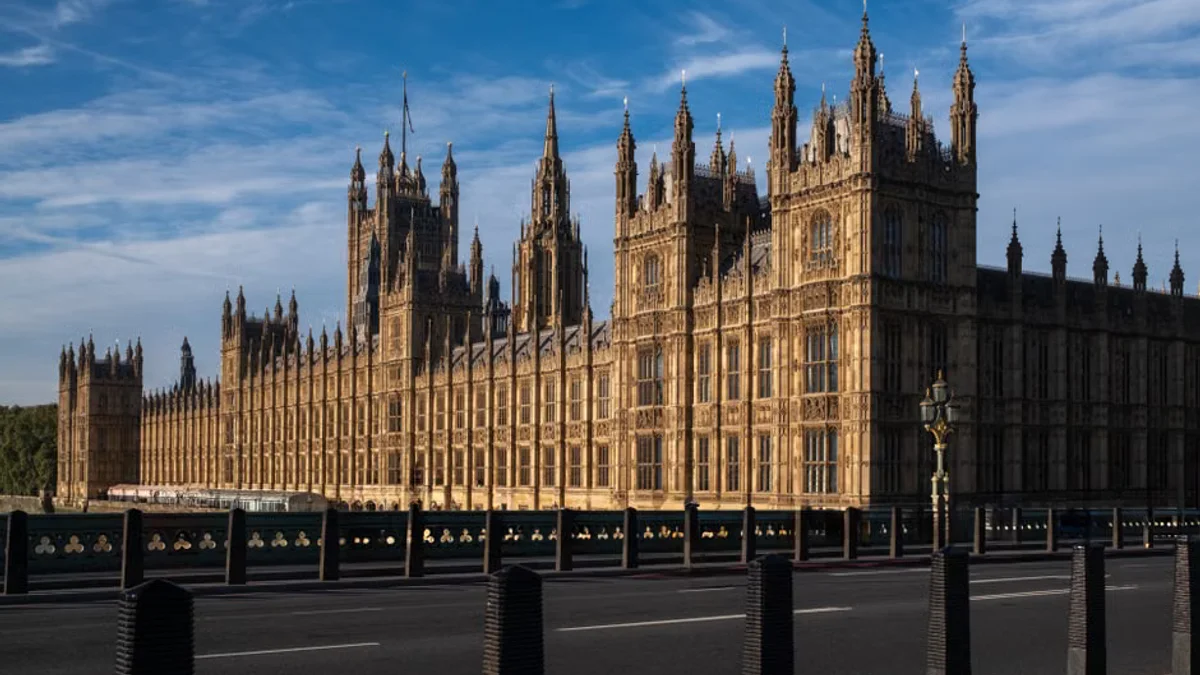

The United Kingdom's Conservative Party has entered a critical phase of internal realignment following Kemi Badenoch's decisive rise to party leadership. While initial assessments from Westminster indicate a commendable degree of parliamentary unity behind her leadership—bridging various ideological factions within the party—political analysts emphasize that the true test lies outside Westminster, in convincing disillusioned voters who abandoned the Tories in the previous general election.
Badenoch's forthright political style and commitment to traditional conservative principles have energized the party's grassroots membership. During recent policy addresses, she has outlined a vision focused on economic growth, regulatory reduction, and robust national sovereignty, aiming to reclaim political ground lost to both the Labour government and populist insurgent parties. However, opposition critics argue that internal unity masks deep-seated ideological divides regarding public services and taxation.
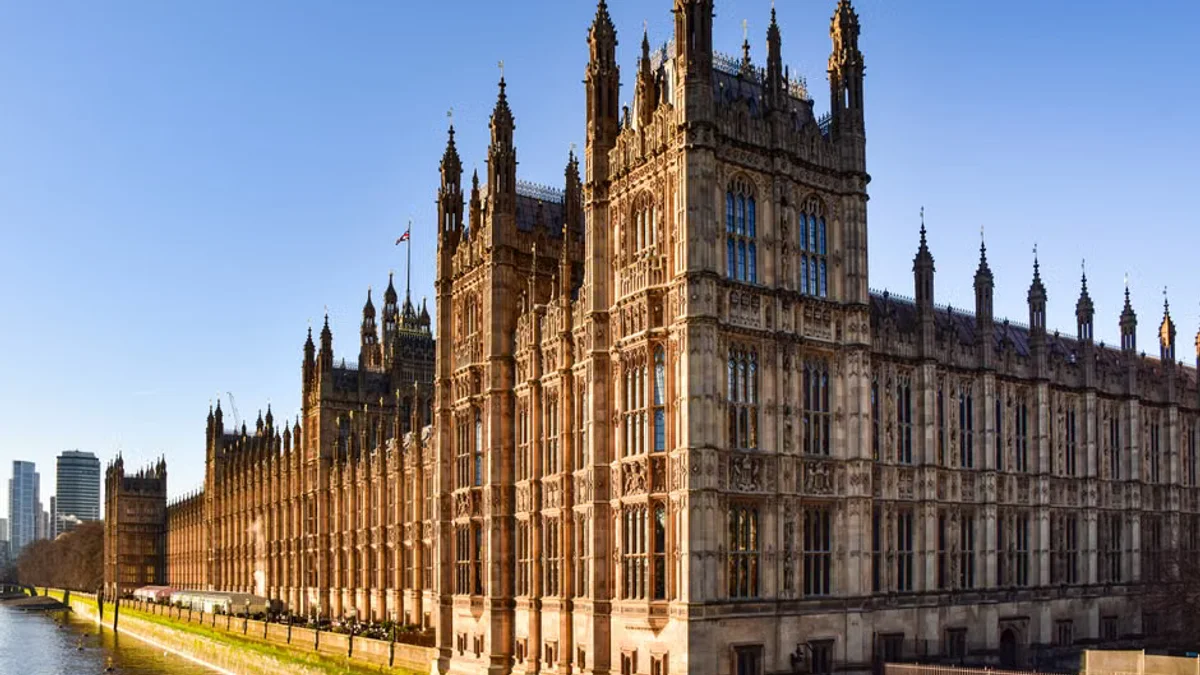
Opinion polls reflect a challenging electoral landscape for the opposition, as the Labour administration under Keir Starmer navigates its own early policy hurdles. For Badenoch, the immediate strategic priority is establishing a credible, coherent alternative economic platform while rebuilding trust with working-class communities that historically supported the Conservative coalition.
Key Highlights
- Kemi Badenoch unifies Conservative parliamentary factions following leadership win.
- Party grassroots energized by focus on economic growth and traditional values.
- Rebuilding electoral trust with disillusioned voters remains the ultimate challenge.

As British politics enters a volatile period of post-election adjustment, the Conservative Party's path to electoral recovery will depend heavily on its ability to articulate a persuasive future vision for the nation.