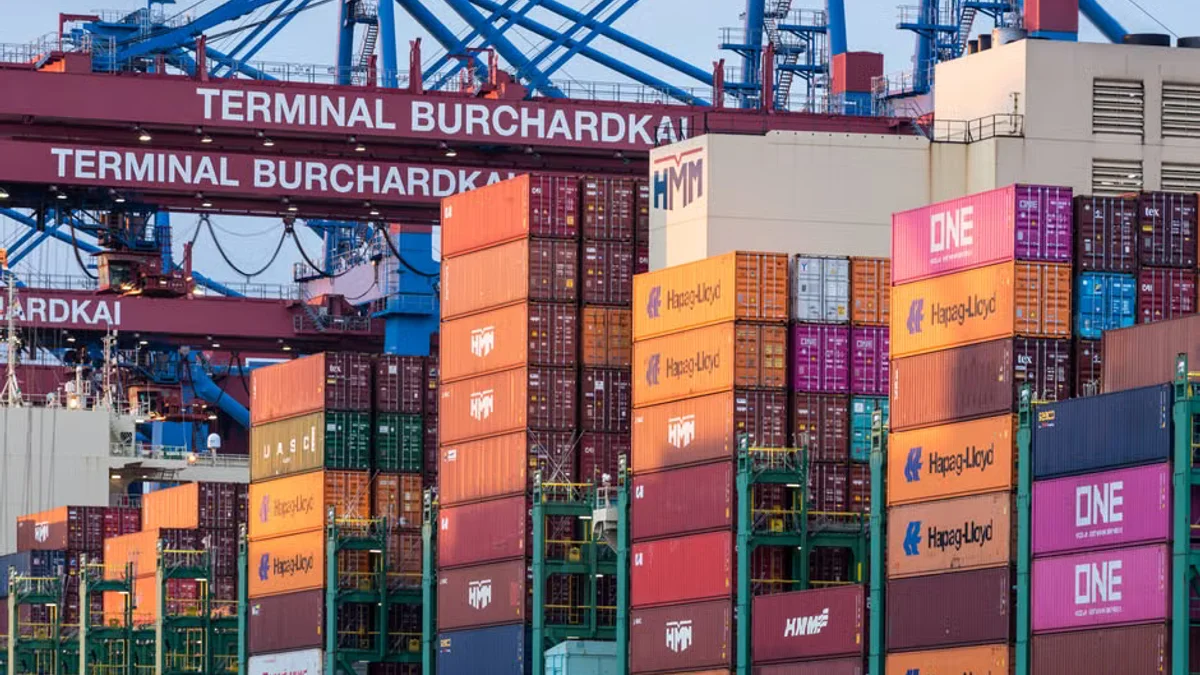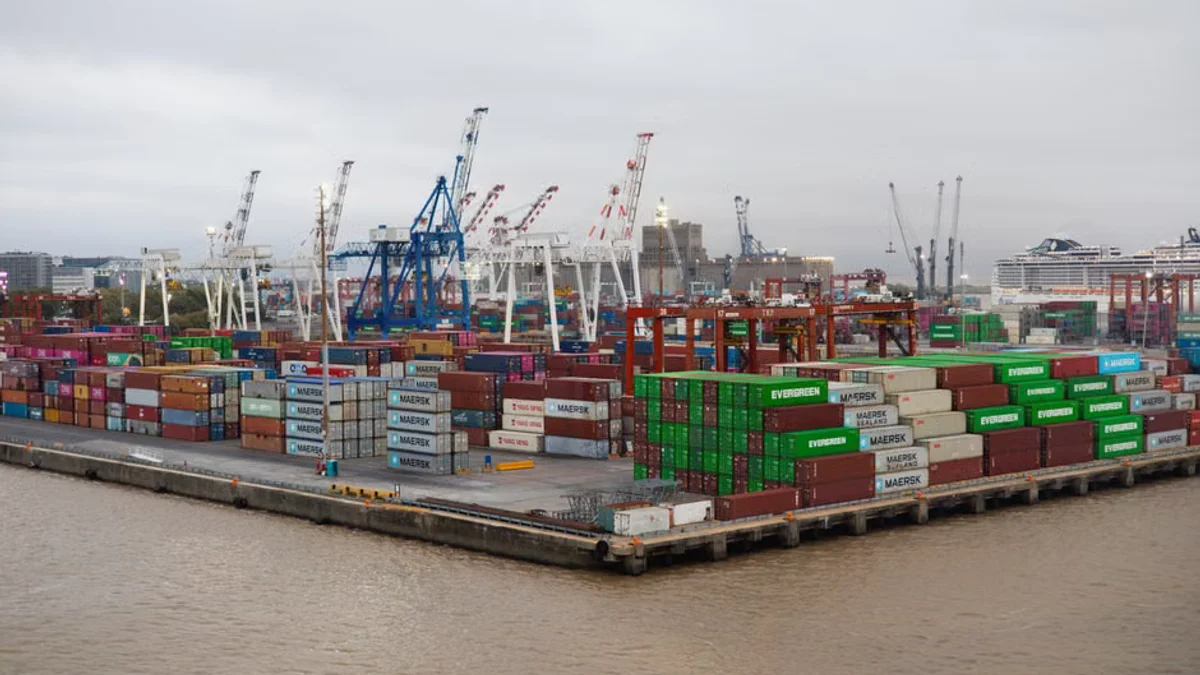
Beijing — Economic indicators from Beijing reveal a growing fiscal challenge as China's national and local debt servicing costs escalate at an unprecedented rate. According to comprehensive fiscal analyses published by financial institutions, interest payments on public obligations are currently growing faster than allocations for education, defense, or infrastructure investment, signaling mounting strain on state finances.
The rapid accumulation of debt, heavily driven by years of local government borrowing to finance real estate expansion and mega-infrastructure projects, has left municipal balance sheets severely overextended. As property sector downturns curtail traditional land-sales revenue streams, local authorities have become increasingly reliant on debt refinancing. This dynamic forces central and regional governments to divert scarce public capital toward interest payments rather than productivity-enhancing economic stimulus or social safety net programs.
Global economists warn that this structural shift could constrain China's long-term growth trajectory, mirroring historical debt overhangs observed in other major emerging markets. While Beijing retains substantial policy tools and domestic savings reserves to manage immediate liquidity risks, international rating agencies are monitoring the situation closely. Restructuring local government financing vehicles (LGFVs) and rebalancing the macroeconomic growth model remain paramount priorities for policymakers navigating this complex financial landscape.
Key Highlights
- China's debt interest expenditures are growing faster than any other budget category.
- Local government financing pressures intensify as property sector revenues remain subdued.
- Escalating debt servicing crowds out vital spending on education, healthcare, and infrastructure.
- Global rating agencies emphasize the need for comprehensive fiscal restructuring.

Addressing these ballooning liabilities without triggering broader economic contraction will require careful monetary balancing and decisive structural reforms from Beijing in the years ahead.