Singapore's Central Provident Fund (CPF) remains the bedrock of the nation's social security system, balancing housing, healthcare, and retirement needs for citizens and permanent residents. In recent policy discussions, financial analysts and government officials have closely scrutinized the framework's adaptability to changing macroeconomic realities, inflationary pressures, and an aging demographic.
The current evaluation focuses heavily on optimizing interest rate structures across the Ordinary Account, Special Account, and Medisave Account to ensure sustainable real yields. With global markets experiencing heightened volatility, the Monetary Authority of Singapore and the Ministry of Manpower are coordinating efforts to safeguard retirement portfolios while maintaining Singapore's competitive standing as a premier global financial hub.

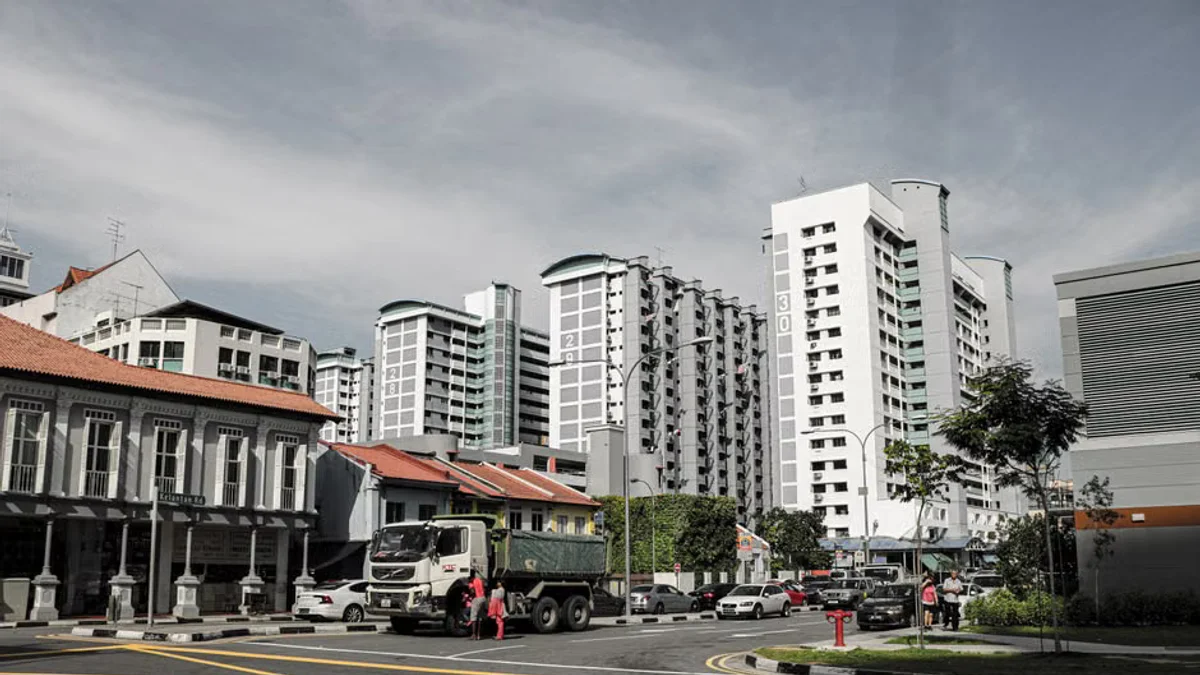
Furthermore, rising housing costs in the private and public sectors have triggered intense public debate regarding the proportion of CPF savings allocated toward HDB flat purchases versus long-term retirement compounding. Financial planners emphasize that striking the right balance is crucial to preventing future retirement shortfalls without stifling current property acquisition capabilities.
Key Highlights
- Comprehensive assessment of CPF interest rate tiers and yield benchmarks.
- Balancing housing affordability with long-term retirement savings growth.
- Strategic alignment with Singapore's broader demographic and economic resilience goals.

As policymakers finalize upcoming budgetary adjustments, the CPF framework will continue to serve as a vital fiscal instrument ensuring both individual financial well-being and national economic stability.