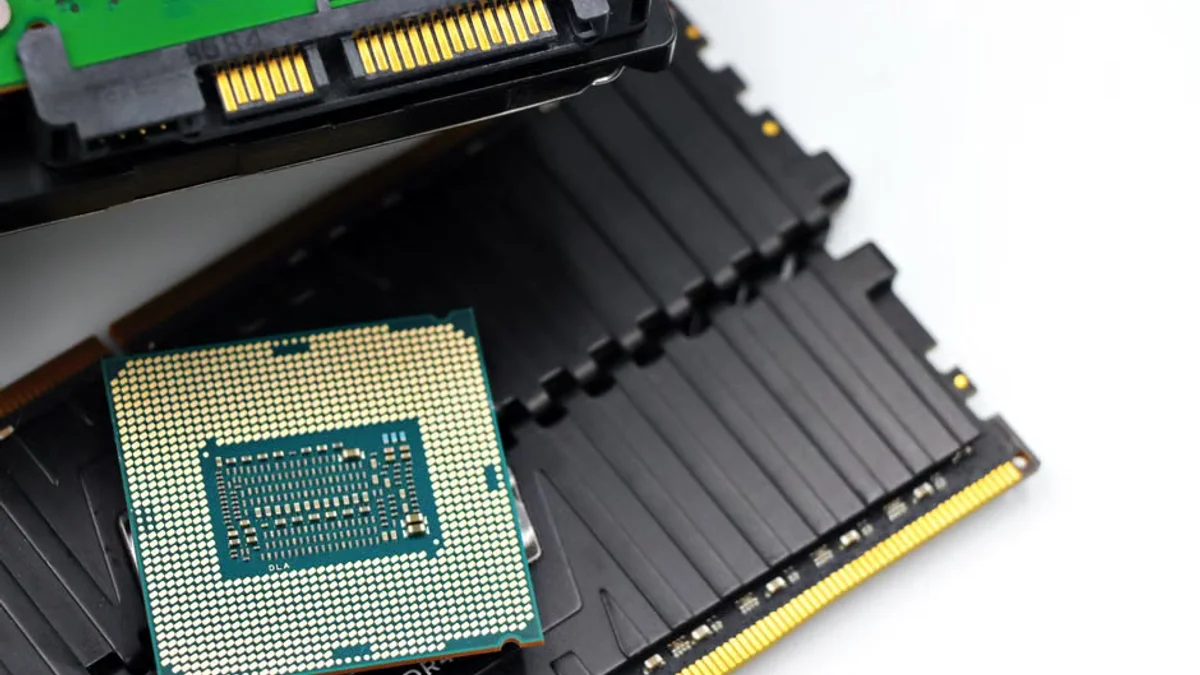
In a landmark geopolitical and economic development, Taiwan has agreed to curb exports of advanced artificial intelligence semiconductors to China as part of a newly brokered trade framework with the United States. The agreement underscores tightening global tech supply chains and the increasing intersection of trade policy with national security.
The restrictions will target high-performance chips critical for training large language models and developing advanced machine learning systems. By aligning closer with US export controls, Taiwan's semiconductor giants, including TSMC, navigate a complex web of geopolitical pressures while attempting to maintain global market leadership.
Industry experts warn that the curbs could accelerate decoupling trends within the global tech sector, prompting Chinese domestic tech firms to aggressively pursue indigenous semiconductor manufacturing alternatives. Meanwhile, Washington has praised the move as vital for protecting Western technological superiority.
Key Highlights
- Taiwan agrees to restrict advanced AI chip exports to China.
- Move aligns with US strategic trade and national security policy.
- Impacts major semiconductor manufacturers and global supply chains.

This policy shift solidifies technological battle lines between major global economies, altering the trajectory of AI development worldwide.