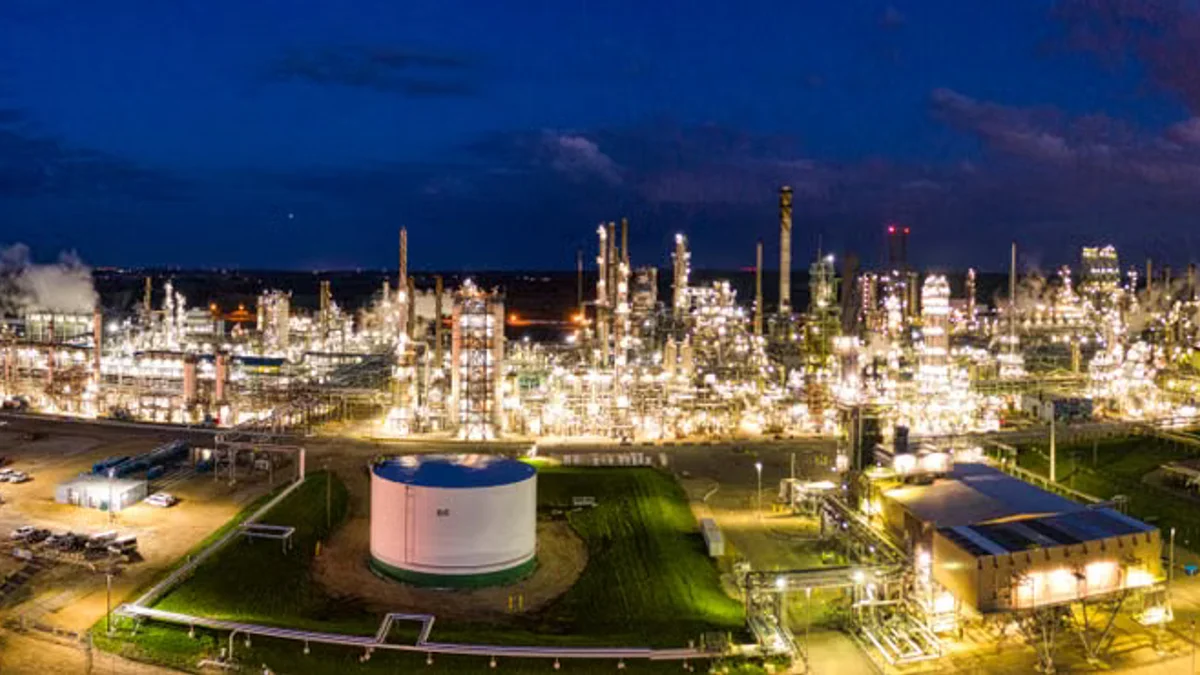
Political and economic friction reached a fever pitch this week as international watchdogs condemned a secretive cross-border diesel trade agreement involving Russian petroleum products. Critics argue the loophole circumvents strict Western sanctions, undermining the economic pressure campaign designed to curtail Moscow's military funding in Ukraine.
Simultaneously, political discourse in Washington and European capitals has been electrified by statements from former US President Donald Trump regarding a proposed energy ceasefire between Russia and Ukraine. Trump asserted that ongoing backchannel discussions could soon yield a cessation of hostilities targeting critical energy and power infrastructure, potentially stabilizing soaring global fuel prices ahead of the winter season. However, European Union officials and Ukrainian leadership have expressed skepticism, demanding transparency and ironclad guarantees that any prospective energy pact will not compromise territorial sovereignty or validate illegal territorial gains.
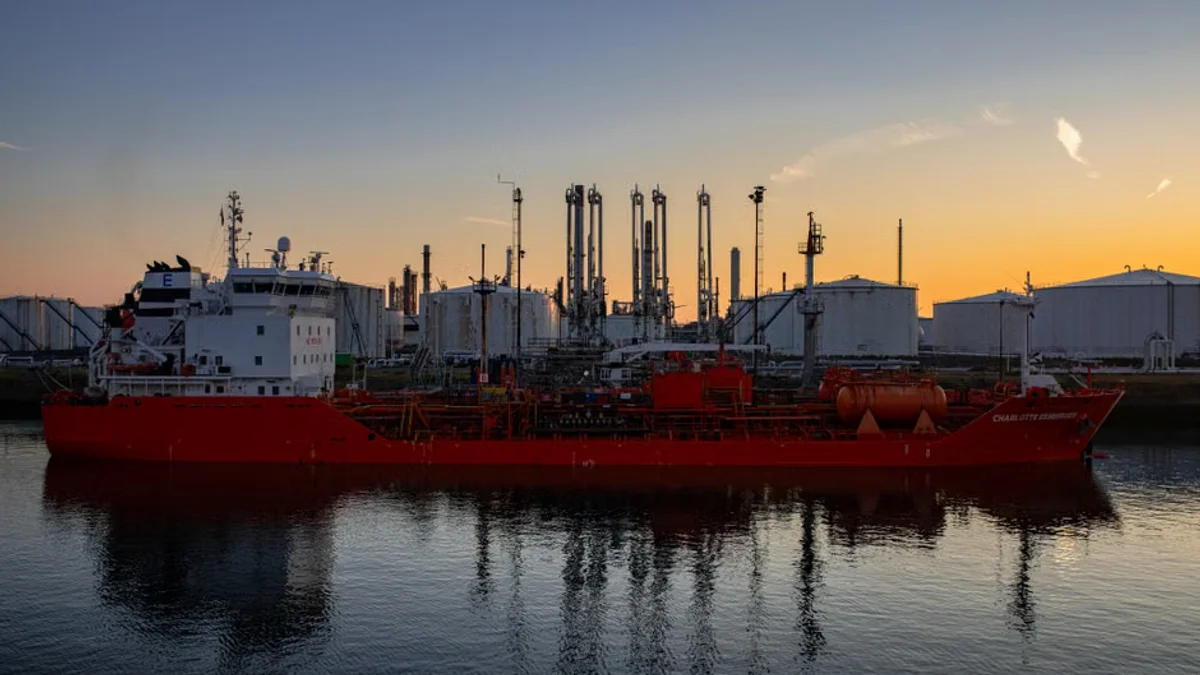
डीजल संकट पर सियासी घमासान, पार्टियों की तीखी प्रतिक्रिया
Read full report→Energy economists warn that while a partial ceasefire focused on grid and fuel infrastructure could offer temporary relief to battered European consumers, the proliferation of sanction-evading diesel shipments threatens the regulatory integrity of international trade embargoes. Financial regulators in both the US and EU have announced imminent compliance reviews targeting intermediaries facilitating illicit petroleum re-routing.
Key Highlights
- Controversial Russia diesel deal draws fierce scrutiny from Western regulatory bodies.
- Donald Trump claims significant progress toward an energy-focused ceasefire in Ukraine.
- European leaders express cautious skepticism over backchannel diplomatic initiatives.
- Upcoming compliance audits aimed at closing international petroleum sanction loopholes.

The convergence of contested energy trade practices and high-stakes diplomatic maneuvering underscores the fragile state of global energy security and the ongoing challenge of enforcing unified economic sanctions against Moscow.