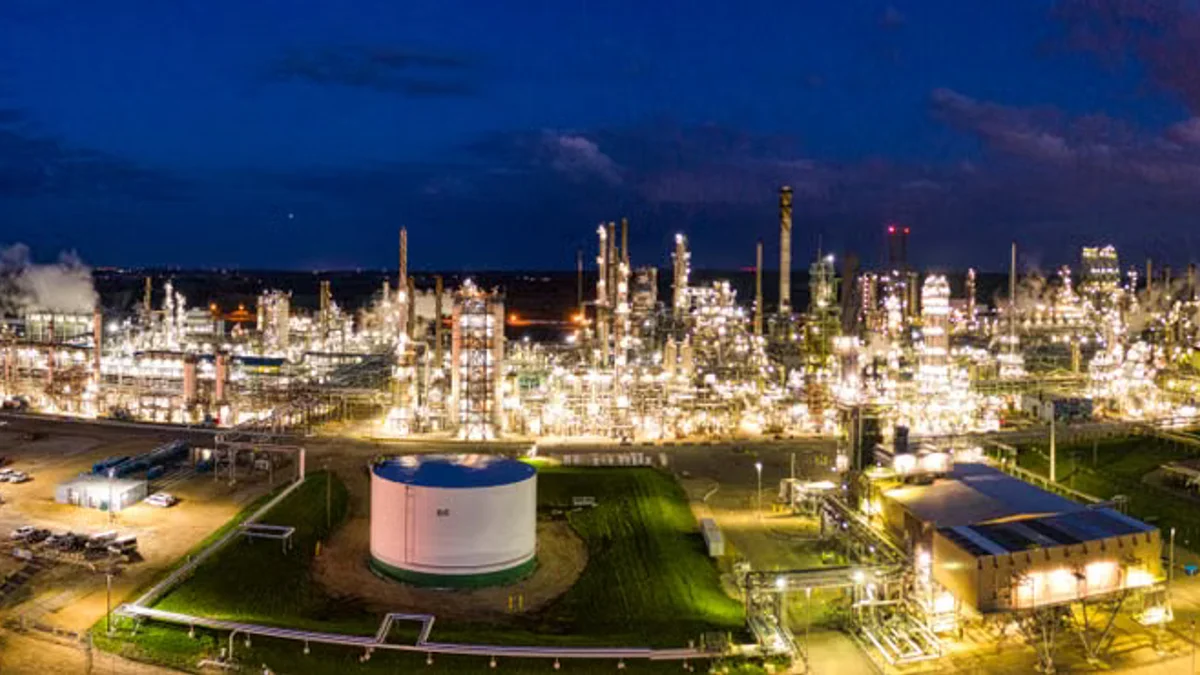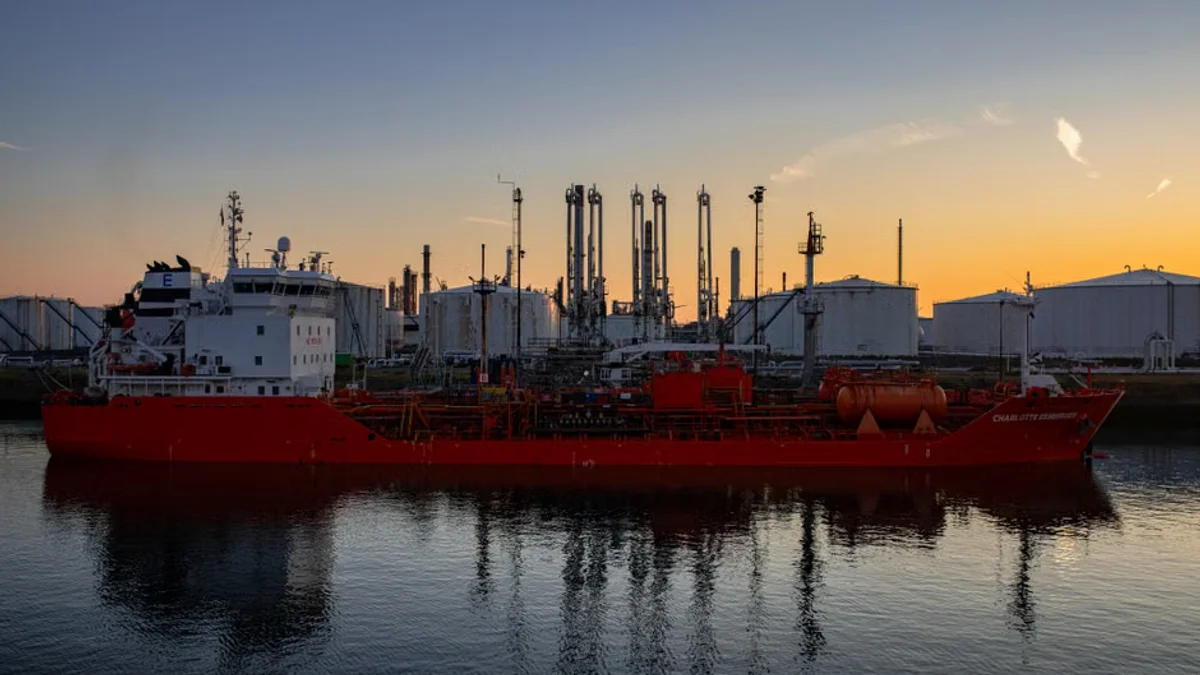
Global energy markets are bracing for a prolonged period of high fuel prices and restricted supplies, with the International Energy Agency (IEA) projecting that the current diesel squeeze will persist well into 2027. The severe market tightening is primarily driven by escalating conflict involving Iran, which has systematically disrupted critical shipping lanes, refinery operations, and petroleum export terminals across the Middle East.
Industrial economies across North America, Europe, and parts of Asia are already feeling the pinch, as wholesale diesel margins surge to multi-year highs. Diesel fuel serves as the lifeblood of the global economy, powering heavy freight transport, manufacturing plants, agricultural machinery, and international maritime shipping. Economists warn that sustained high fuel costs will inevitably cascade into consumer goods, driving up inflation and complicating central bank monetary policy decisions regarding interest rates.
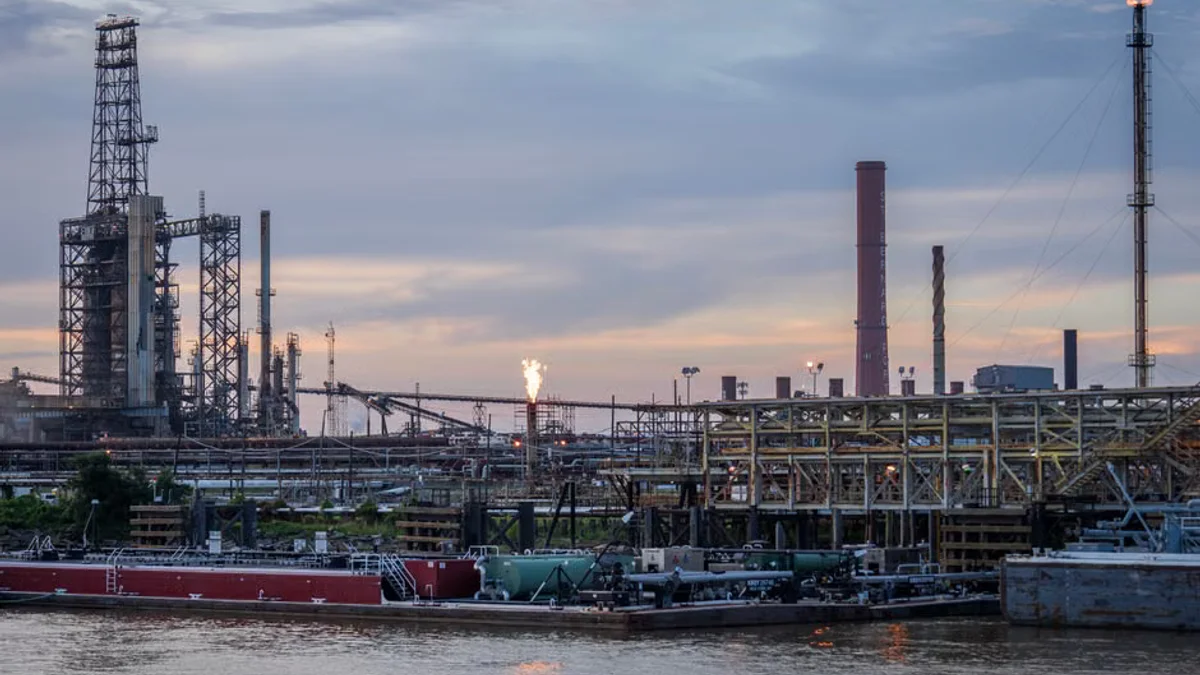
Energy ministers and industry executives are scrambling to diversify supply routes, ramp up domestic refining capacities in non-conflict zones, and tap strategic reserves. However, analysts emphasize that constructing new infrastructure or shifting global crude trade flows cannot happen overnight. Consequently, businesses and consumers must prepare for an extended era of expensive energy.
Key Highlights
- IEA warns that diesel shortages and high prices will extend through 2027 due to the Iran conflict.
- Global shipping bottlenecks and refinery disruptions are heavily squeezing petroleum product inventories.
- Freight transport, manufacturing, and agriculture face acute cost pressures as fuel inflation mounts.
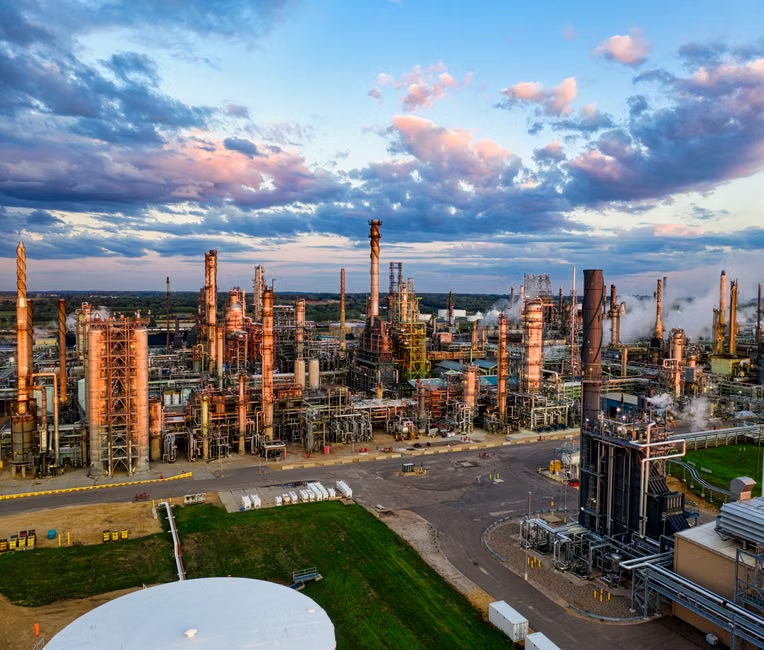
Policymakers face difficult choices as they attempt to balance immediate supply security with long-term transition goals amid a deeply volatile geopolitical landscape.