
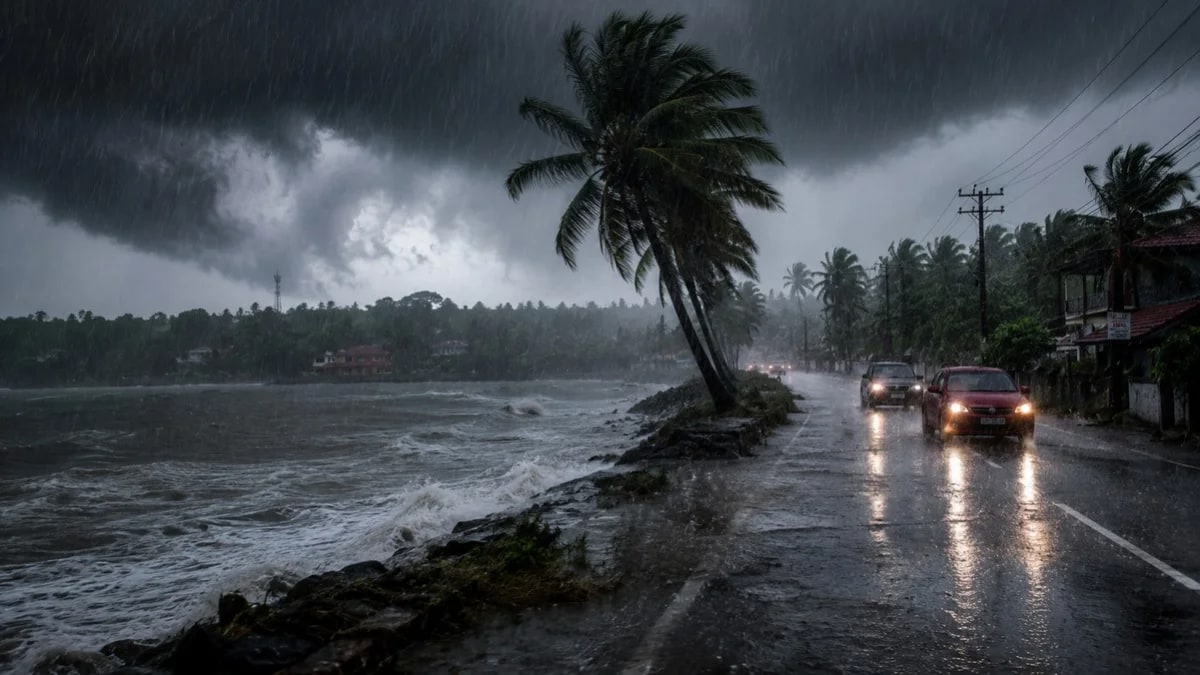
A special ground report from New Delhi by 'The Freelance'. From the Indian subcontinent to the edges of the Pacific Ocean, the weather cycle has once again reached a concerning turning point. Meteorological data and our ground investigations point to a grave reality. What is known in climate science as 'El Nino' is not just raising temperatures, but is creating a massive food crisis globally.
UN Warnings and Ground Reality
According to a recent UN News report, the strengthening El Nino cycle could push an additional 49 million people worldwide into acute hunger. When we assess rural areas and agricultural markets across the country, the impact of this global warning becomes starkly visible. Irregular monsoons and uneven rainfall have robbed farmers of their sleep. In parts of Uttar Pradesh, Maharashtra, and Karnataka, kharif crops have either withered or suffered heavy yield drops.
Direct Blow to the Rural Economy
The blow of El Nino to India's agricultural sector, the backbone of its economy, is profound. Interacting with farmers in the Marathwada region of Maharashtra, fear for the future was evident. One local farmer stated, 'Rain didn't arrive on time this year, and when it did, it destroyed everything.' Similar conditions in other grain-producing states are driving inflation steadily upward.
Food Security and Supply Chain Disruptions
El Nino is not confined to India; it is severely disrupting global supply chains. Rice, wheat, and pulse prices are soaring across Asian markets. International bodies warn that without emergency interventions, malnutrition and hunger rates in developing countries could reach dangerous levels. Maintaining food grain reserves in a densely populated nation like India remains a massive challenge.
The Way Forward and Policy Challenges
Tackling this crisis requires moving beyond traditional farming methods. Agricultural scientists and policymakers emphasize the urgent need to adopt drought-resistant crops and modern water management. 'The Freelance' investigation concludes that El Nino is not merely a weather phenomenon, but a critical test of our future generations' survival and food security.


