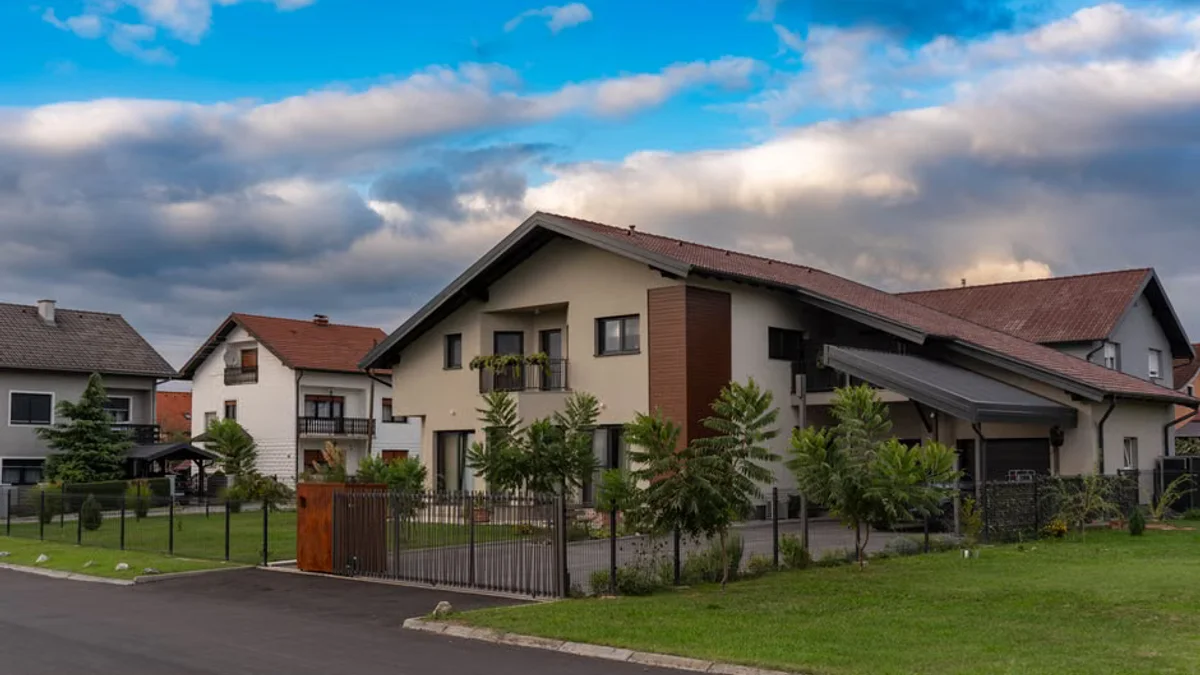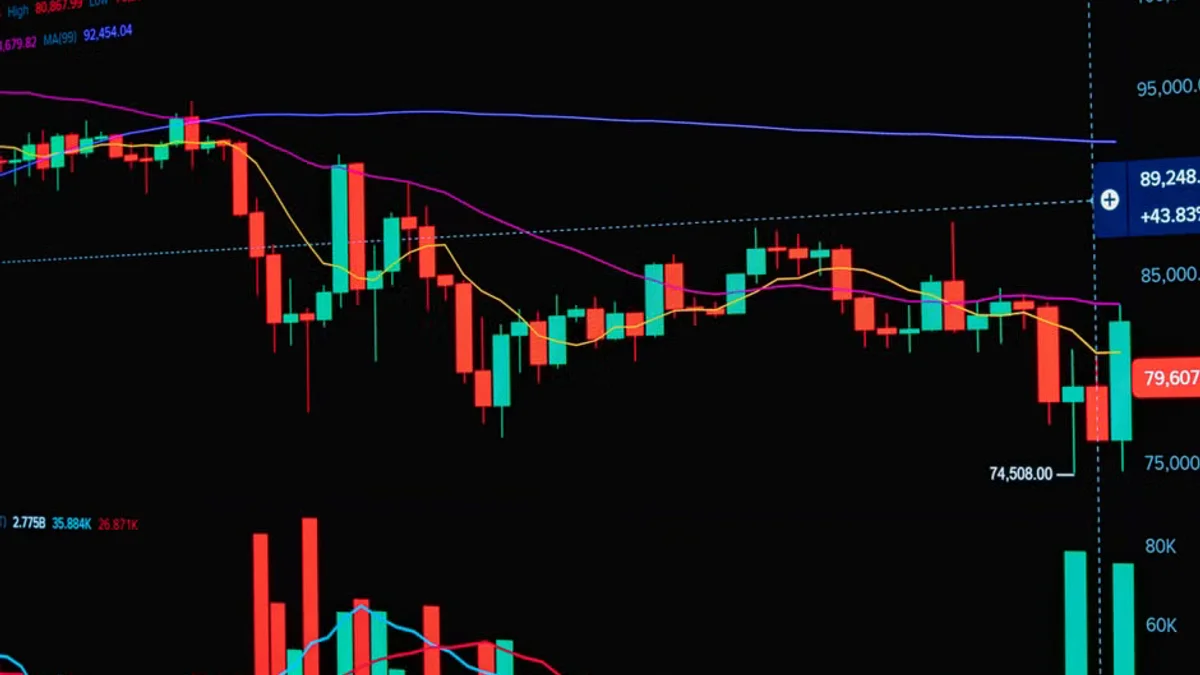
New York — Prospective homebuyers across North America are confronting an increasingly prohibitive financing landscape as mortgage rates register sharp weekly gains. Financial market indicators suggest that average 30-year fixed home loan rates are creeping closer to the ominous 8% mark, a level not sustained consistently in decades, prompting deep anxiety among real estate professionals and consumers alike.
The primary driver behind this renewed surge in borrowing costs is persistent inflation data, which has forced the Federal Reserve to signal a 'higher-for-longer' interest rate posture. Bond markets have reacted accordingly, with the benchmark 10-year Treasury yield climbing steadily. Consequently, housing affordability has deteriorated to historic lows, locking many first-time buyers out of the market and locking existing homeowners into 'lock-in effect' mortgages where they refuse to sell and forfeit low historical rates.
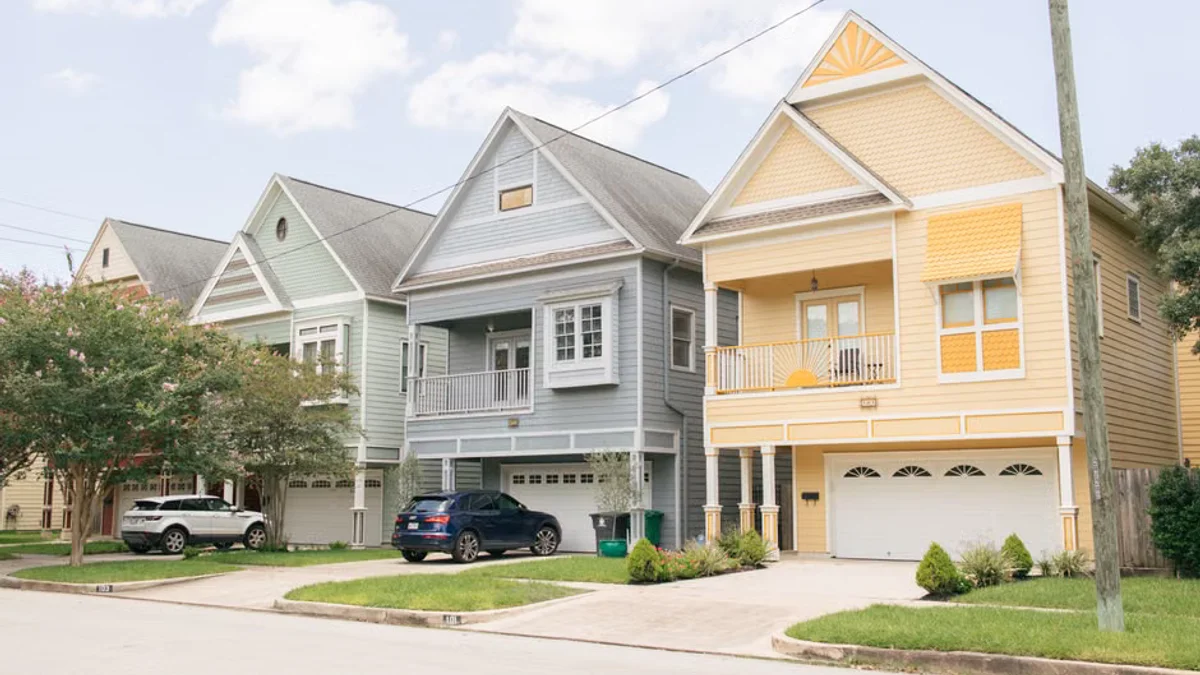
Real estate economists note that inventory shortages are currently preventing home prices from suffering severe nominal drops, even as transaction volumes plummet. Instead, the market has entered a protracted period of stagnation characterized by low turnover and heightened affordability stress. Industry leaders continue to advocate for innovative financing structures and policy adjustments to restore balance to a housing sector caught in the grip of restrictive monetary policy.
Key Highlights
- Average 30-year fixed mortgage rates approach the 8% threshold amid bond market shifts.
- Persistent inflation data keeps Federal Reserve rate-cut expectations subdued.
- Housing affordability hits historic lows, severely curtailing market transactions and buyer mobility.
- Inventory shortages cushion home prices against steep drops despite plunging sales volumes.

Navigating this high-rate housing environment requires strategic patience from buyers and adaptive business models from real estate brokerages as the market adjusts to a new economic normal.