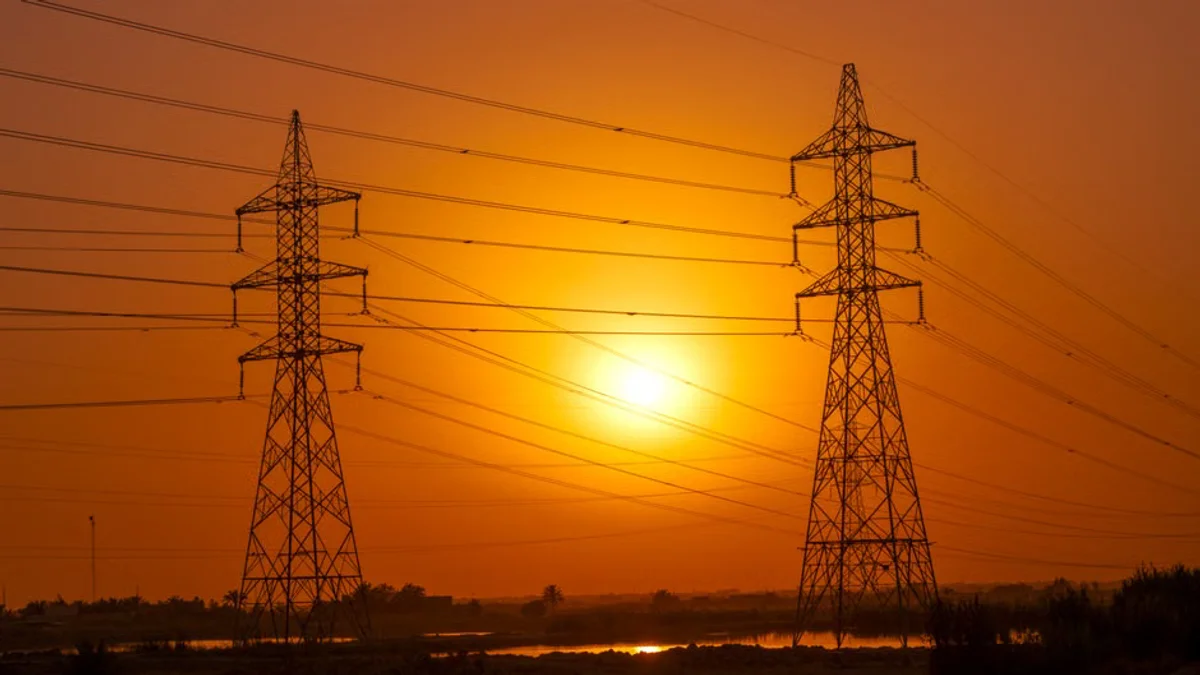
Federal energy regulators and regional transmission operators have declared a power grid emergency spanning 13 states as extreme weather patterns drive electricity consumption to historic highs. Grid operators are urging voluntary conservation measures to prevent cascading system overloads and rolling blackouts.
The emergency declaration empowers authorities to deploy additional generation reserves, bypass certain environmental restrictions temporarily, and coordinate cross-state power transfers to stabilize the fractured grid infrastructure. Millions of residents are being asked to limit non-essential energy use during peak afternoon hours.

Energy experts point to aging infrastructure combined with rapid climate volatility as primary systemic vulnerabilities. Lawmakers are facing renewed pressure to accelerate grid modernization investments and expand renewable energy storage capacity to prevent future crises.
Emergency management agencies have established round-the-clock monitoring centers to coordinate responses with local utilities, ensuring critical infrastructure such as hospitals and water treatment facilities maintain continuous power supplies.
Key Highlights
- Power grid emergency declared across 13 US states due to extreme demand.
- Grid operators urge voluntary electricity conservation to avert blackouts.
- Renewed policy focus on aging energy infrastructure and grid modernization.

As weather extremes persist, the resilience of domestic energy networks remains a critical focal point for both federal policymakers and utility providers.