Singapore's Housing & Development Board (HDB) has unveiled comprehensive guidelines and layout explanations for kitchen configurations in the newly developed Tengah smart town. As Singapore continues to pioneer sustainable and smart urban housing, the integration of functional, ergonomic spaces remains a core priority for architects and urban planners alike.
The newly published architectural breakdowns address common resident queries concerning spatial constraints, plumbing integration, and open-concept versus enclosed kitchen choices. Tengah, touted as Singapore's first smart and sustainable town, incorporates eco-friendly fittings and energy-efficient infrastructure right down to the residential unit level. Officials emphasize that these design choices are aimed at maximizing natural ventilation and lighting, ultimately reducing energy consumption across households.
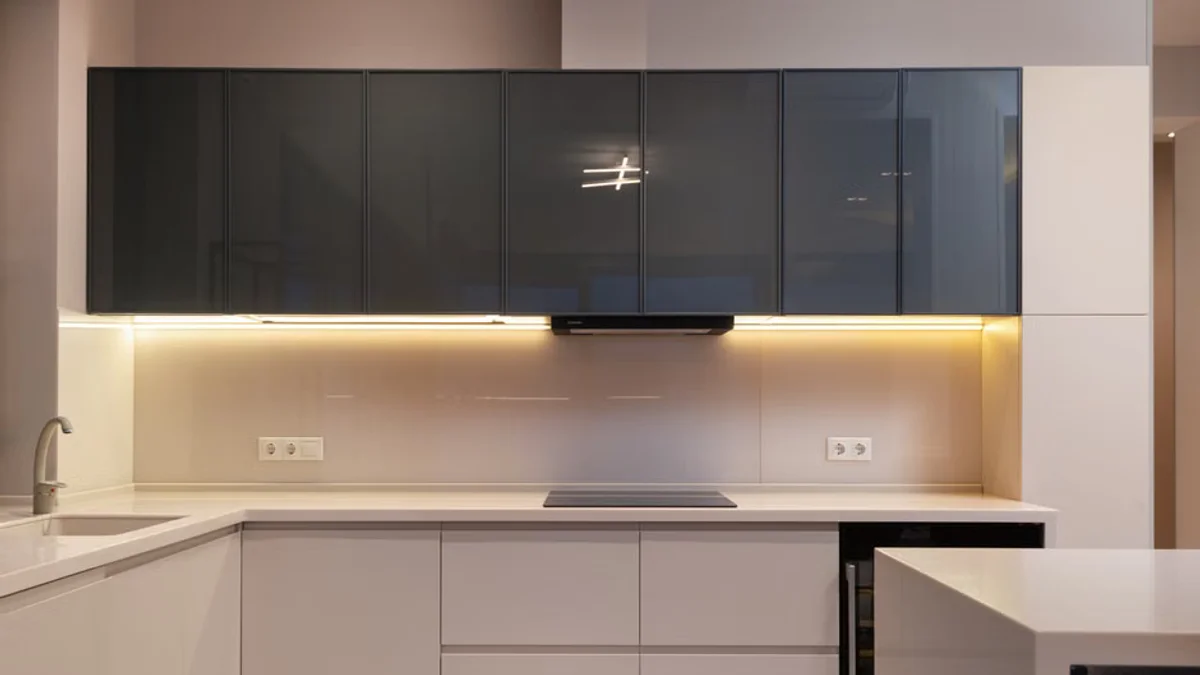
Real estate analysts note that modern homeowners increasingly prioritize flexible floor plans that can adapt to changing family dynamics. The Tengah kitchen layouts feature modular provisions that allow residents to customize cabinetry, induction cooking setups, and smart home appliances seamlessly. Furthermore, safety features and fire-rated partitioning guidelines have been meticulously detailed to ensure compliance with national building codes while maintaining aesthetic appeal.
Public reception to the released explanations has been largely positive, with first-time homeowners expressing relief over the clarity provided ahead of key collection exercises. HDB has also launched virtual 3D walkthroughs and advisory sessions to assist residents in visualizing their interior design options without structural compromises.
Key Highlights
- Comprehensive layout guidelines for Tengah smart town residential units.
- Focus on natural ventilation, energy efficiency, and modular flexibility.
- Integration of smart home infrastructure and safety compliance measures.

As Tengah transitions into a fully populated urban hub, these architectural standards will likely serve as a blueprint for future public housing developments across Singapore, setting a new benchmark for tropical sustainable architecture.