
The United States housing market continues to grapple with severe affordability headwinds as average 30-year fixed mortgage rates hover persistently at 7.4%. According to data released by financial institutions and tracked by major economic publications, borrowing costs remain locked near peaks last recorded in late 2023, complicating financial planning for millions of prospective buyers.
Persistent inflation readings and cautious monetary policy signals from the Federal Reserve have kept Treasury yields elevated, directly transmitting higher costs to consumer credit products. Real estate analysts report a pronounced slowdown in home sales velocity, as current homeowners with low locked-in mortgage rates refuse to list their properties, creating a severe supply bottleneck.
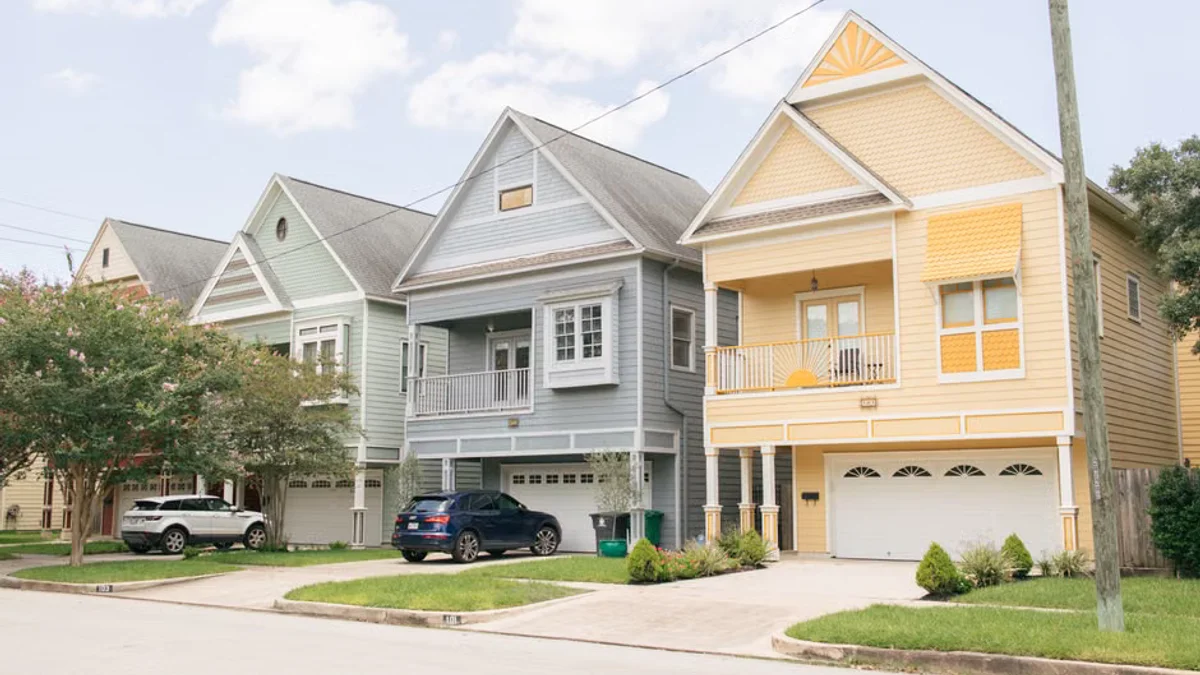
First-time homebuyers bear the brunt of these financial conditions, frequently forced to allocate higher percentages of household income toward monthly housing expenditures or adjust their geographical expectations. Policymakers and industry economists continue to debate the timeline for potential rate relief as upcoming macroeconomic indicators unfold.
Key Highlights
- US 30-year fixed mortgage rates remain elevated at 7.4%.
- High borrowing costs constrain housing inventory and sideline prospective buyers.
- Federal Reserve monetary policy and Treasury yields drive persistent financial pressure.

As the autumn homebuying season progresses, market participants will closely watch employment figures and consumer price inflation reports for clues regarding future central bank actions.