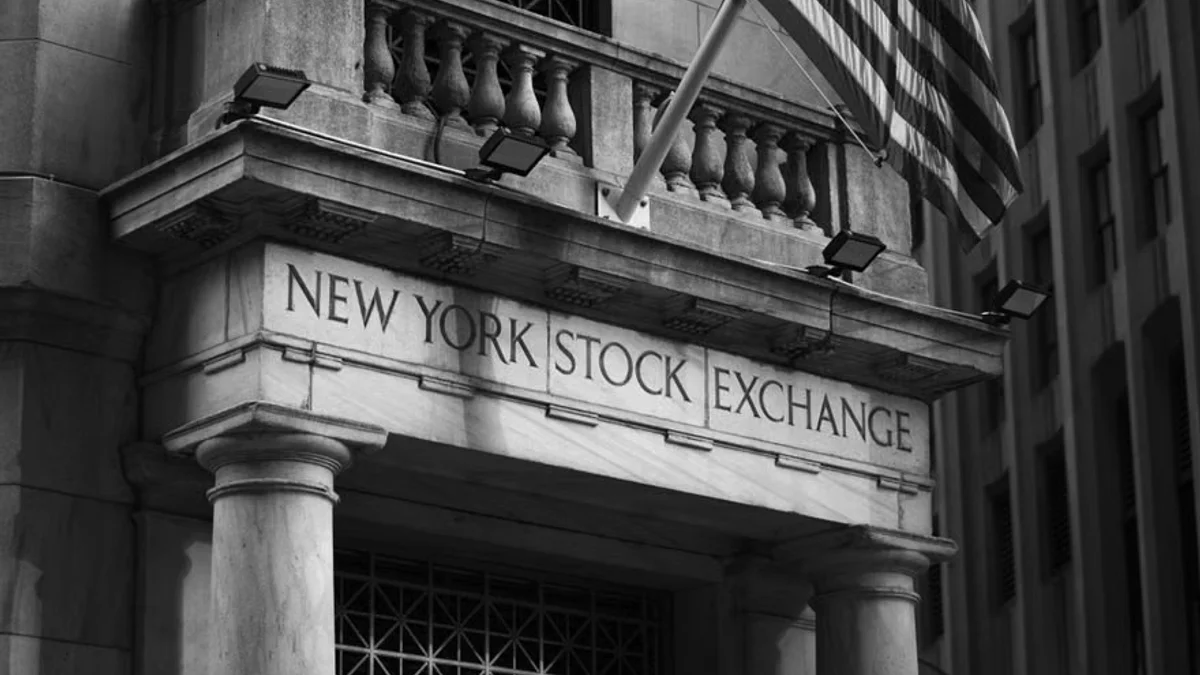
The United States housing market is showing tentative signs of stabilization as average mortgage rates finally hit the brakes following months of unpredictable fluctuations. According to weekly market data released by financial institutions, benchmark borrowing costs have leveled off, sparking renewed interest among prospective homebuyers who had previously been sidelined.
The moderation in rates comes as the Federal Reserve maintains a cautious approach to monetary policy amid cooling inflation metrics and shifting labor market indicators. While borrowing costs remain significantly elevated compared to the historic lows seen during the pandemic era, the recent pause in upward trajectory has eased affordability pressures for middle-class buyers.
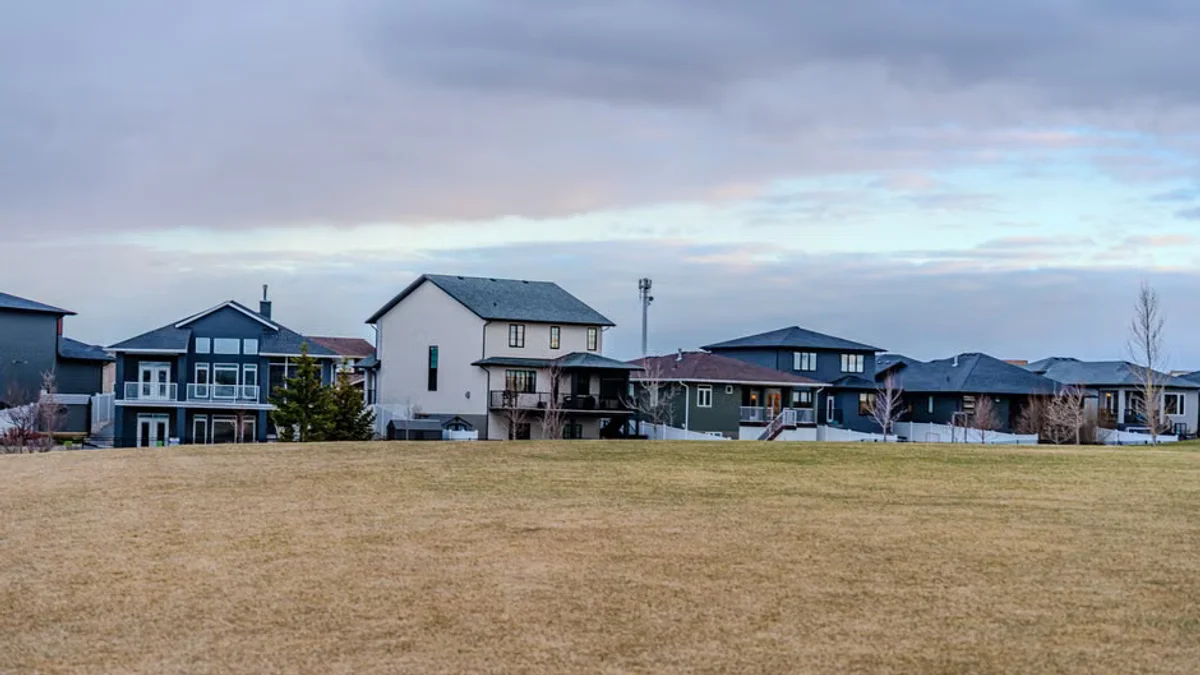
Real estate experts note that inventory levels, though still constrained in many metropolitan areas, are beginning to inch upward as sellers who were previously locked in by low legacy mortgage rates decide to make a move. However, market analysts caution that demand remains highly sensitive to macroeconomic data releases.
'We are seeing a slight breathing room in the market,' said chief housing economist Marcus Vance. 'It is not a return to cheap credit, but predictability is precisely what buyers and sellers need to re-engage with transactions.'
As the spring and summer buying seasons approach, industry participants will closely watch upcoming inflation reports and central bank communications to gauge whether this rate stabilization will endure.
Key Highlights
- US mortgage rates stabilize after a prolonged period of volatility.
- The pause in rate hikes provides psychological and financial relief to homebuyers.
- Housing inventory shows modest signs of recovery as market participants adapt.
- Economists emphasize that future rate directions depend on upcoming inflation data.
Ultimately, this stabilization phase represents a critical inflection point for the American real estate sector, balancing affordability concerns against broader macroeconomic realities.