Student Politics in Delhi Takes a Complex Turn
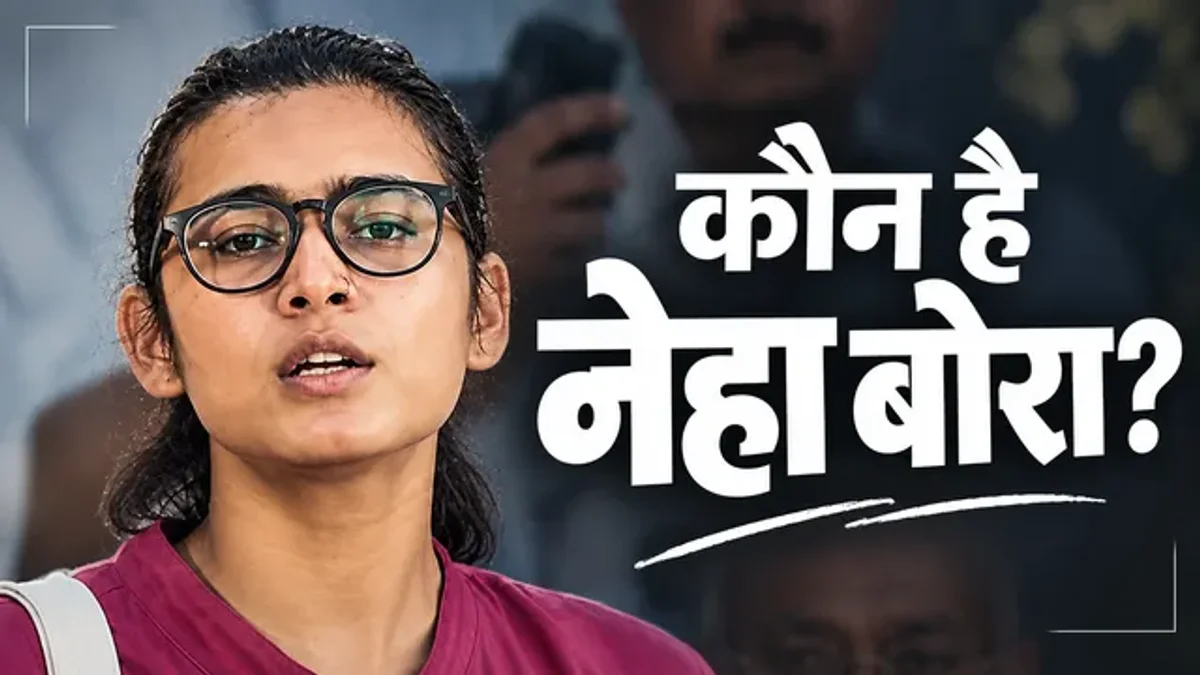
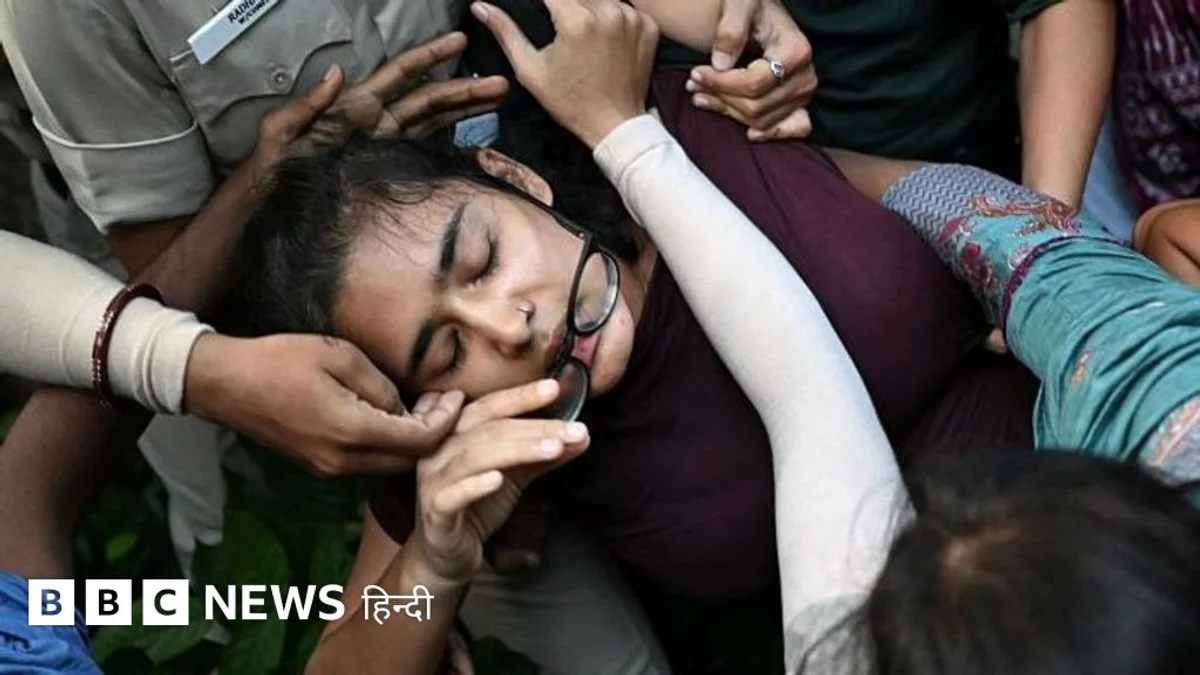
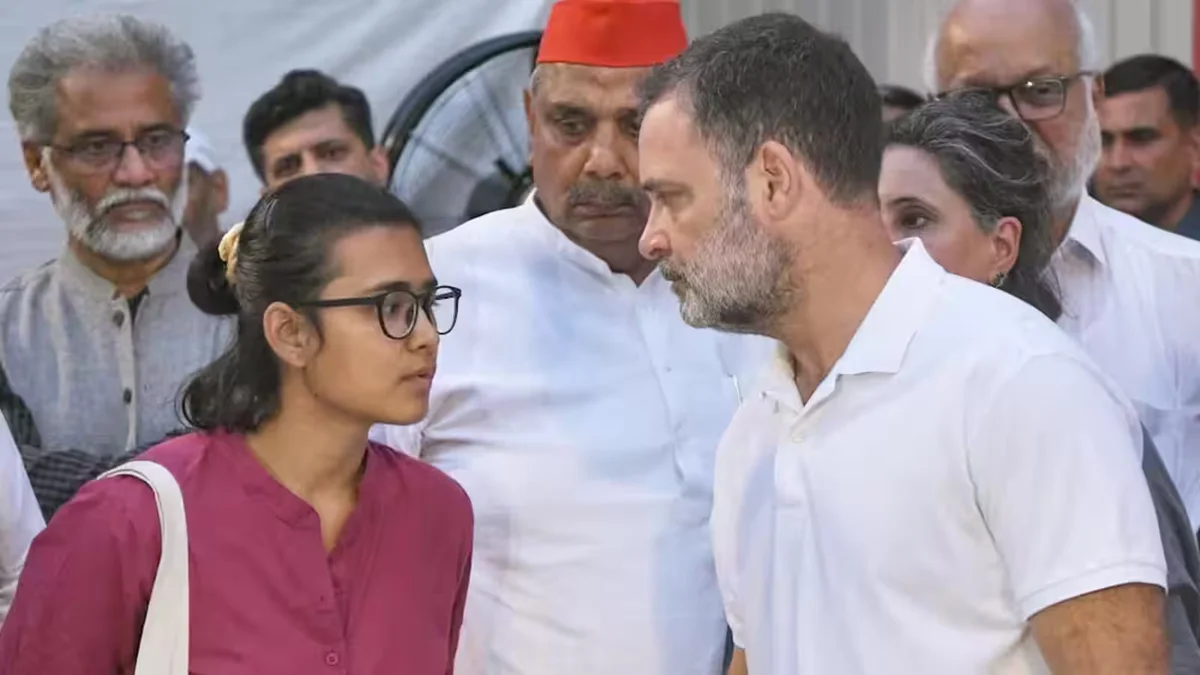
The political corridors of the national capital are witnessing intense friction following recent protests. Amidst various demonstrations, the growing visibility of left-wing student organization AISA's national president, Neha Bora, within Congress-led events has sparked internal debates. The prominence given to a student leader from an ideological ally has raised eyebrows among traditional party workers.
While opposition parties often form coalitions at the national level to challenge the ruling government, grassroots coordination often faces hurdles. This dynamic is clearly visible in how student wings and youth factions operate during high-profile political rallies and demonstrations in Delhi.
Internal Dissatisfaction Within NSUI and the WhatsApp Group Controversy
Discontent has been brewing within the National Students' Union of India (NSUI), the student wing of the Congress party, over the perceived sidelining of its own leaders. According to insider reports, youth representatives attempted to raise this concern during interactions with top leadership, but no clear resolution emerged.
Frustrated by the lack of attention to their grievances, some members reportedly altered the name of an official communication group to express their dissent. This reflects a deeper friction regarding who gets to lead and represent the youth narrative during joint opposition campaigns.
The Visuals That Triggered the Debate
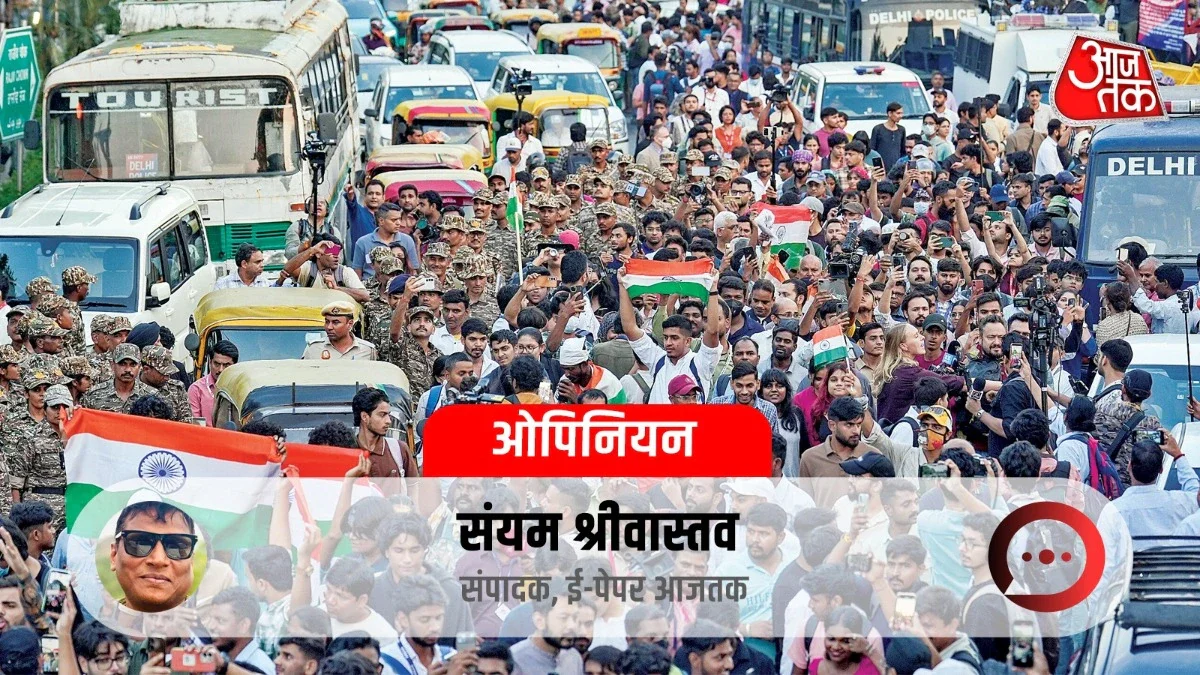
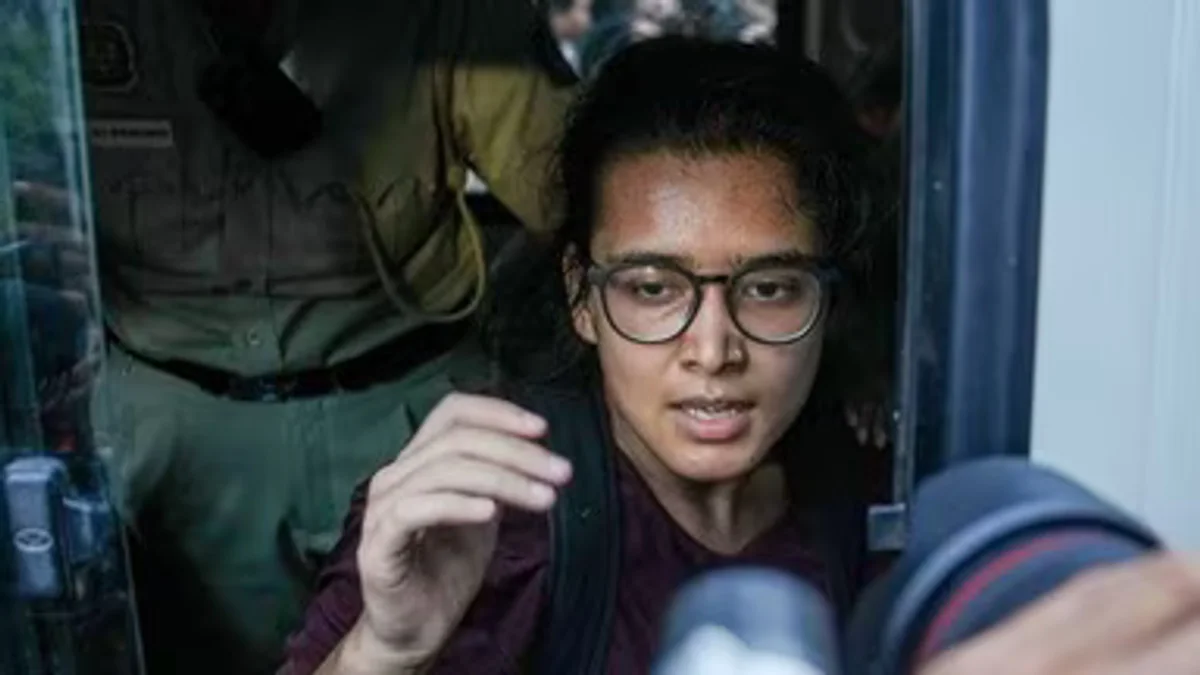
The friction came to light prominently during a march toward the Supreme Court, where Neha Bora was spotted walking alongside senior Congress leaders at the very front of the procession. Similar positioning on transport vehicles during the protest further fueled discussions among cadres.
NSUI members argue that while their workers put in rigorous grassroots effort, leaders from outside the party fold reap the media spotlight. This disconnect creates challenges for party morale, especially when ideological boundaries blur during joint agitations.
Ideological Paradoxes and Ground Realities
The relationship between the Congress party and Left organizations has always been complex. While they compete fiercely in states like Kerala and in university campus elections nationwide, they frequently join hands at the national level under broader political umbrellas.
Political analysts note that managing these overlapping spaces requires delicate handling. When grassroots cadres perceive a lack of recognition, internal friction becomes inevitable. The leadership faces the ongoing challenge of balancing alliance partnerships while keeping its own dedicated workforce motivated and valued.