Tensions Escalate in Connaught Place Over Proposed March
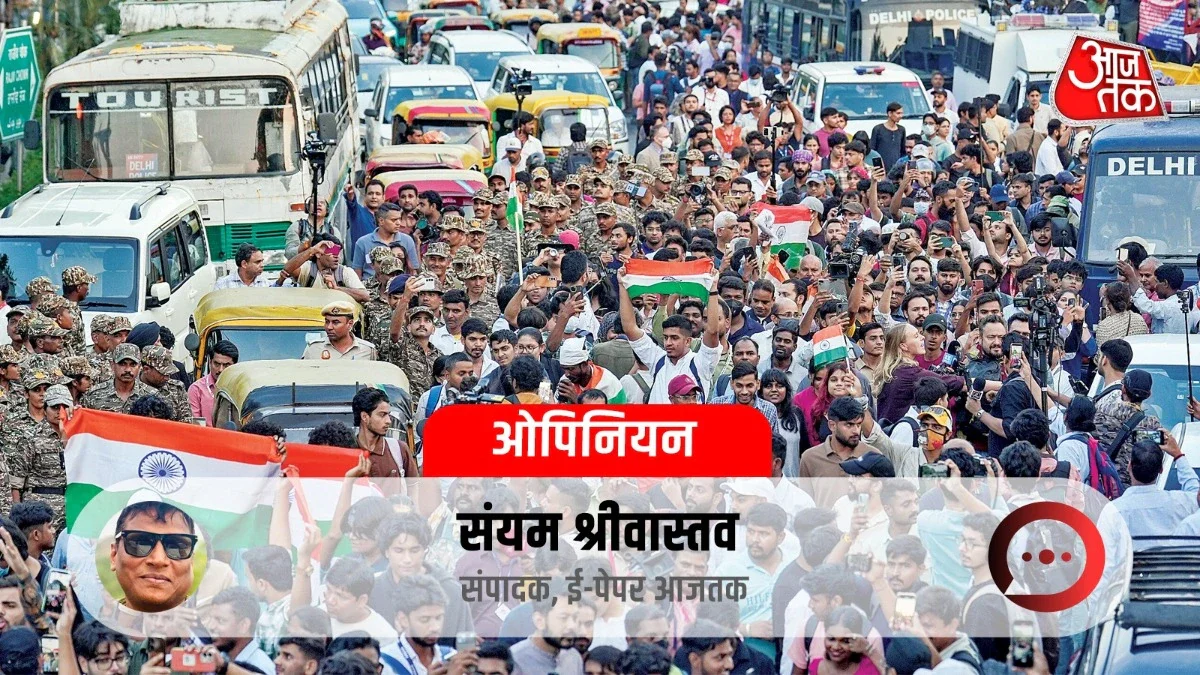
The heart of New Delhi witnessed high-voltage political drama as a newly emerged political outfit announced a march carrying the national flag. The administration and police machinery swung into immediate action to prevent any disruption in the bustling commercial hub. Heavy security deployments were made across the inner and outer circles of the area, restricting large gatherings to maintain public order and safeguard local businesses from losses.
The municipal council announced temporary closures of the central park area for administrative reasons, while police invoked prohibitory orders. Despite these strict measures, supporters attempted to gather, resulting in heated verbal exchanges and swift preventive detentions by law enforcement personnel.
Key Leaders Detained Amid Legal and Political Clamour
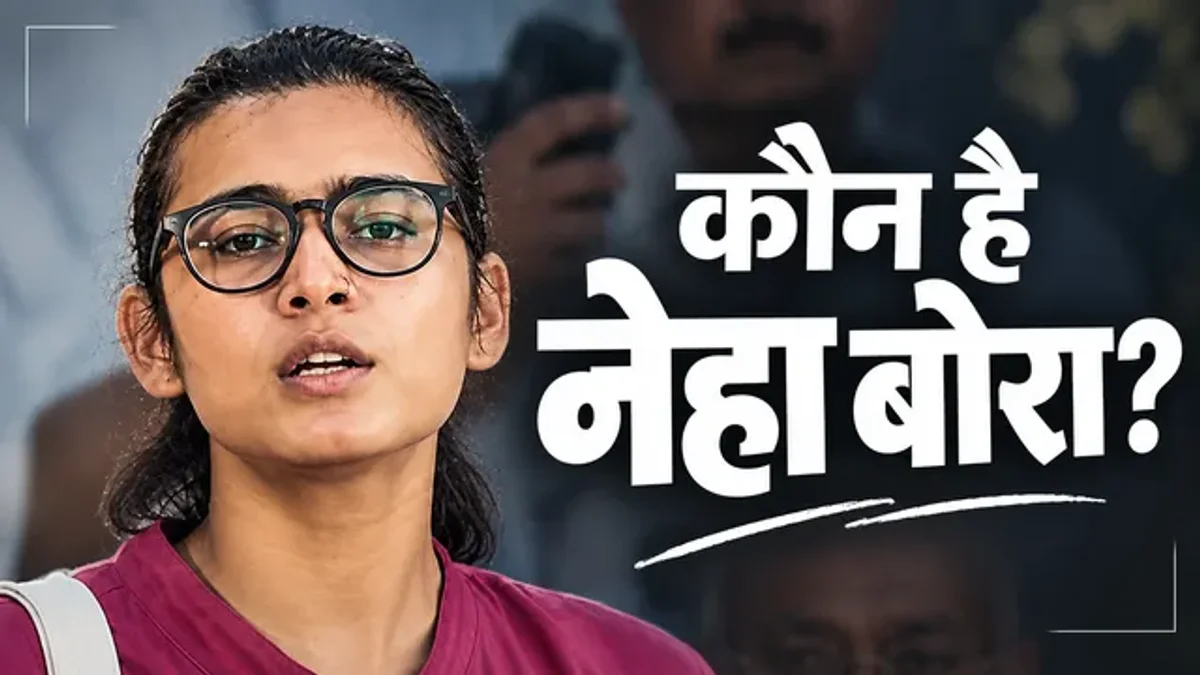
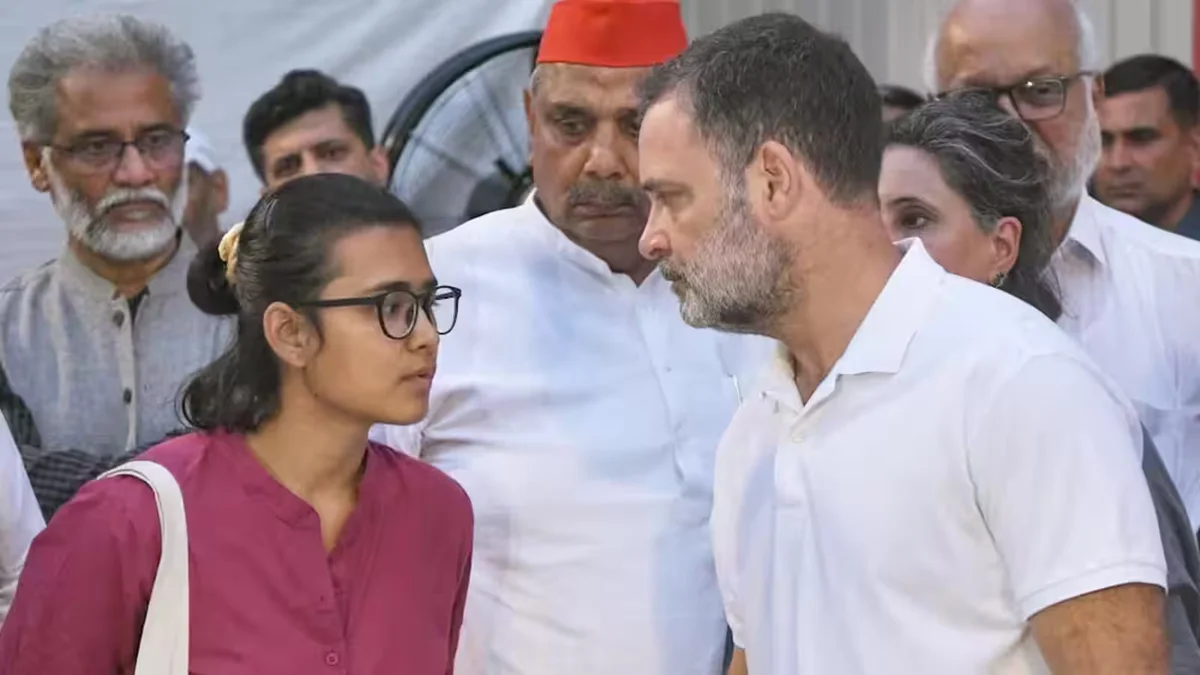
Police detained several prominent figures associated with the organizing faction, including their primary founder, right from their residences and transit points. Other student leaders and political activists were also picked up from different parts of the city as a preventive measure to maintain law and order.
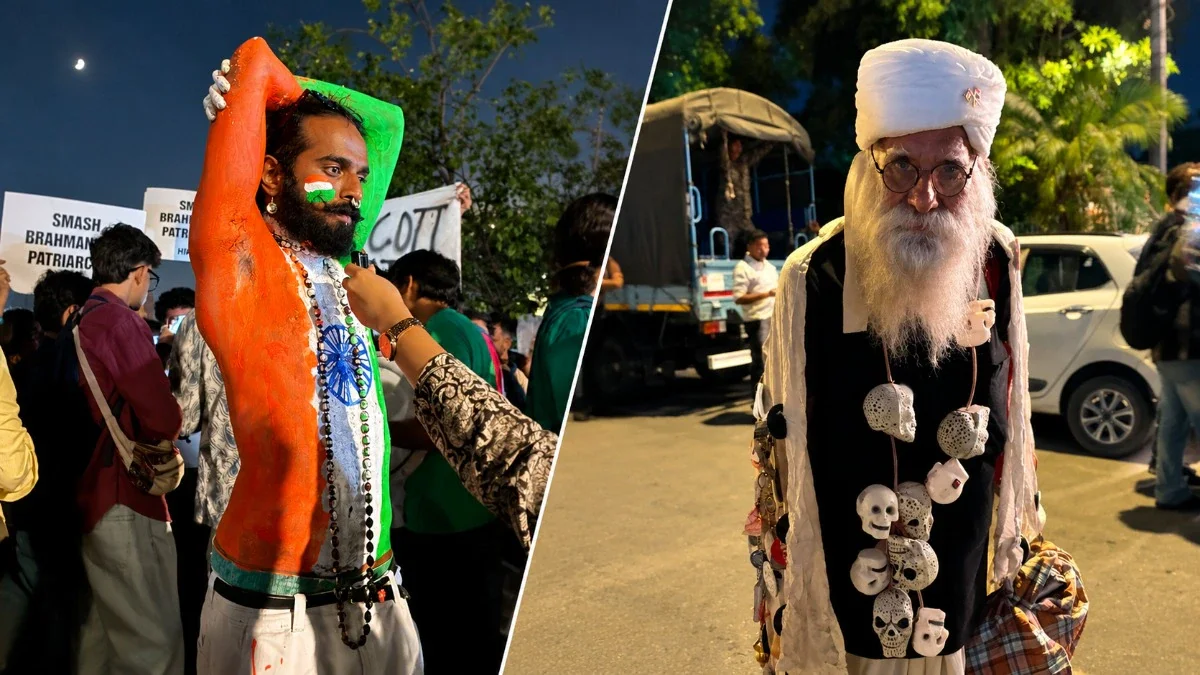
Legal representatives and party colleagues raised serious concerns over the detention process, alleging that they were denied access to their leaders. Several opposition lawmakers condemned the police action, emphasizing that peaceful dissent is a fundamental democratic right that should not be suppressed arbitrarily.
Core Issues Surrounding Electoral Processes and Voter Lists
Beyond the immediate flashpoint of the march, the underlying tensions stem from serious allegations concerning electoral integrity. Organizers and allied groups have been vocally critical of the Chief Election Commissioner and the special intensive revision of voter rolls, claiming that genuine voters are being arbitrarily removed from electoral lists.
Conversely, ruling alliance representatives dismissed the events as a political gimmick, accusing the organizers of misusing the national flag for partisan gains. They argued that while dissent is welcome, weaponizing national symbols creates unnecessary social division.
Parallel Political Marches and Traffic Disruptions
Adding fuel to the political fire, other prominent regional parties organized their own massive flag rallies heading toward key government buildings. Thousands of workers marched through the thoroughfares, raising slogans and demanding administrative accountability.
These concurrent demonstrations crippled normal traffic flow across major arterial roads, causing immense inconvenience to commuters and office-goers. Traffic police had to implement extensive diversions to manage the gridlock.
Balancing Freedom of Expression and Public Convenience
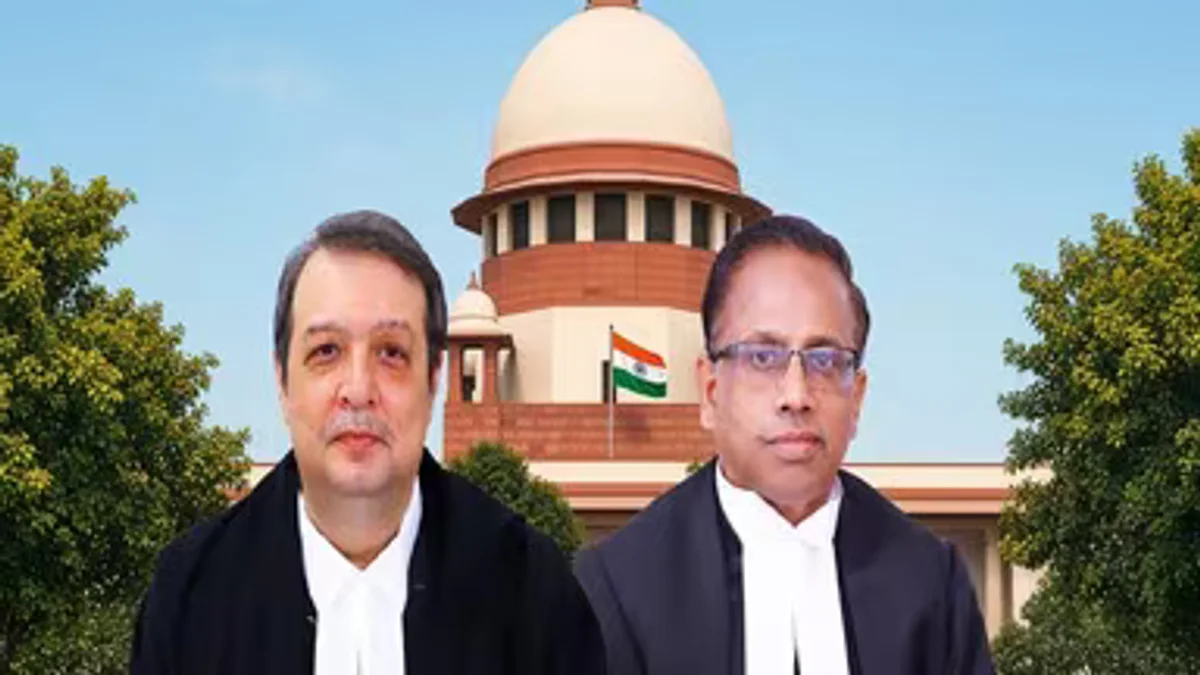
Legal experts and commentators point out that the episode highlights the delicate balance required between the right to freedom of expression and the protection of public infrastructure. Courts have repeatedly underscored that public spaces cannot be indefinitely blockaded for protests, as it infringes upon the daily lives of ordinary citizens.
"Protest is a cornerstone of democracy, but it must be exercised responsibly without disrupting public order or causing hardship to fellow citizens." — Legal Expert
As political friction continues to mount, the administration remains firm on maintaining public order while opposition groups vow to press forward with their demands through democratic channels.