Political Tensions Rise Over Electoral Roll Revision and Protests
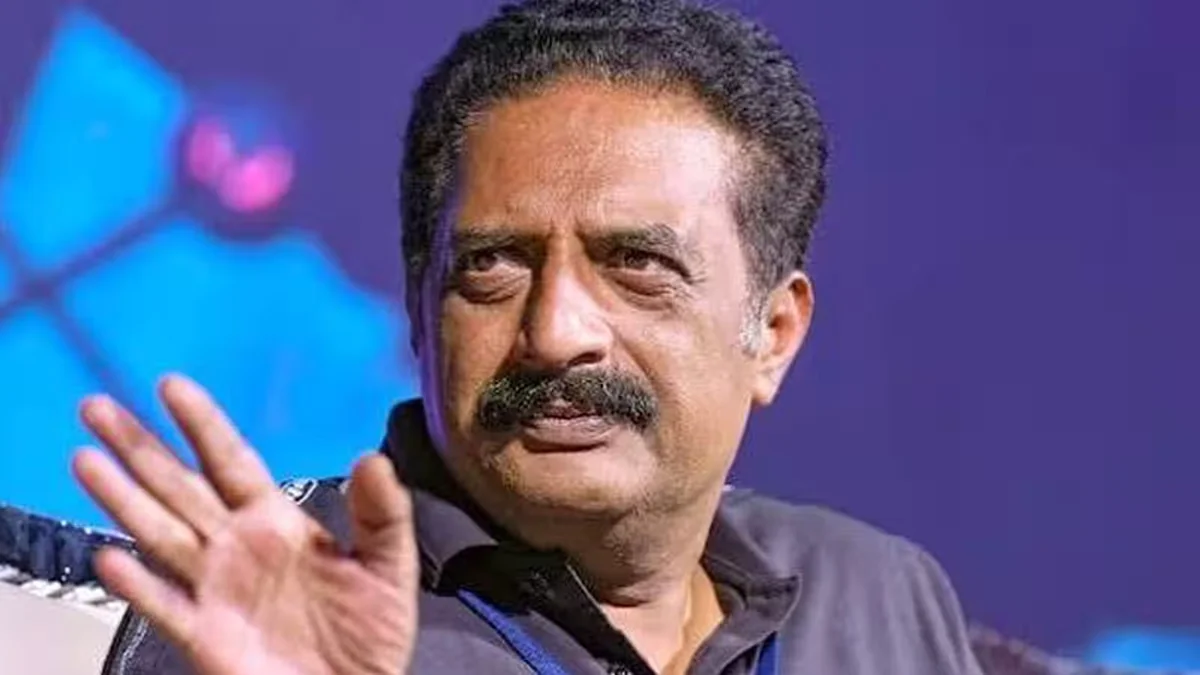
Political friction has intensified across India regarding the Special Intensive Revision (SIR) of voter lists and growing controversies surrounding the Election Commission. Amidst mounting questions directed at Chief Election Commissioner Gyanesh Kumar, prominent actor and activist Prakash Raj has openly backed demands for institutional accountability. However, he made it explicitly clear that any democratic shift or leadership change in India must strictly adhere to constitutional frameworks rather than mirroring the chaotic uprisings seen recently in neighboring nations like Nepal or Bangladesh.
Speaking to reporters after attending a public forum in Thiruvananthapuram, Prakash Raj asserted that citizens and young activists possess every legitimate right to question authorities and stage peaceful demonstrations. He criticized attempts to muzzle dissent, arguing that legitimate inquiries into electoral transparency deserve factual answers rather than administrative crackdowns. This intervention comes at a critical juncture when opposition parties and civil society groups are escalating pressure on electoral oversight bodies.
Crackdown on Protesters and Arrest of CJP Founder
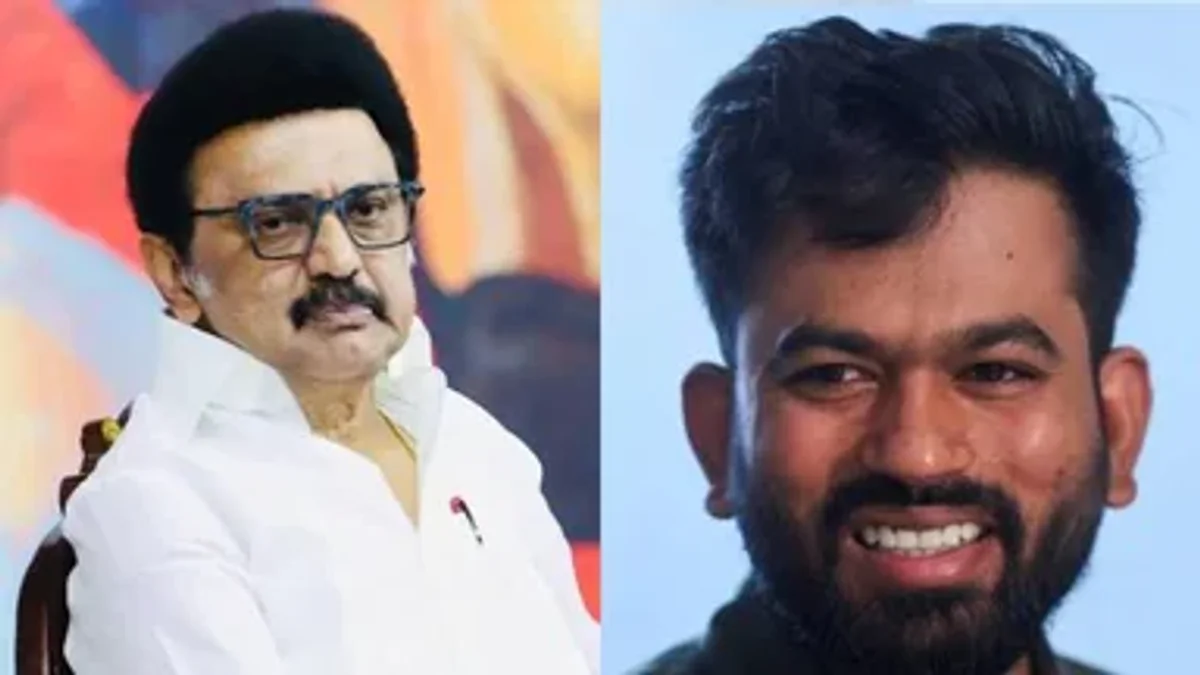
The immediate catalyst for the renewed debate stems from police actions in New Delhi, where founder of Cockroach Party (CJP) Abhijeet Dipke and fellow activists were detained prior to a planned march towards Central Park in Connaught Place. The group had gathered to demand accountability and the resignation of the Chief Election Commissioner over alleged discrepancies in voter verification procedures. Although detained briefly under preventive provisions, their subsequent release has further fueled political discourse regarding freedom of expression.

Prominent opposition leaders were quick to condemn the police action, labeling it as heavy-handed and authoritarian. Critics questioned whether peaceful demonstrations and flag-bearing rallies have effectively been criminalized in the national capital. Analysts note that such high-profile interventions often backfire by drawing greater public sympathy and media attention to grassroots movements challenging institutional transparency.
Upholding Constitutional Legacy and Democratic Norms
Rejecting any parallels between India's democratic framework and the political upheavals in South Asia, Prakash Raj emphasized the strength of India's foundational institutions. He reminded critics and supporters alike that the nation draws its resilience from the ideological heritage of Mahatma Gandhi, B.R. Ambedkar, and Bhagat Singh. The Indian Constitution provides robust mechanisms, including universal adult suffrage and the right to peaceful protest, to address grievances without resorting to systemic collapse.
Furthermore, activists have reiterated that raising legitimate doubts about electoral rolls should be welcomed rather than suppressed through political rhetoric or police notices. They maintain that transparency remains the ultimate antidote to suspicion, urging election authorities to address public grievances with verifiable data rather than political confrontations.
Opposition Mobilization and Upcoming Demonstrations
With national political parties joining the fray, the controversy surrounding voter list revisions is poised to escalate further. The Indian National Congress has already announced plans for a major protest rally at Ramlila Maidan in Delhi to voice opposition against the ongoing revision processes. As political alignments solidify ahead of upcoming electoral battles, the debate over institutional integrity, freedom of speech, and democratic accountability remains at the forefront of national headlines.