Amazon Prime Video's ambitious new adaptation of Stephen King's seminal horror novel Carrie has ignited a fierce global debate regarding the necessity and cultural relevance of remaking literary masterpieces in 2026. As streaming platforms increasingly lean into nostalgic intellectual properties, this latest revision attempts to anchor the telekinetic horror of a bullied teenager into the hyper-connected, digital-first landscape of modern high school culture.
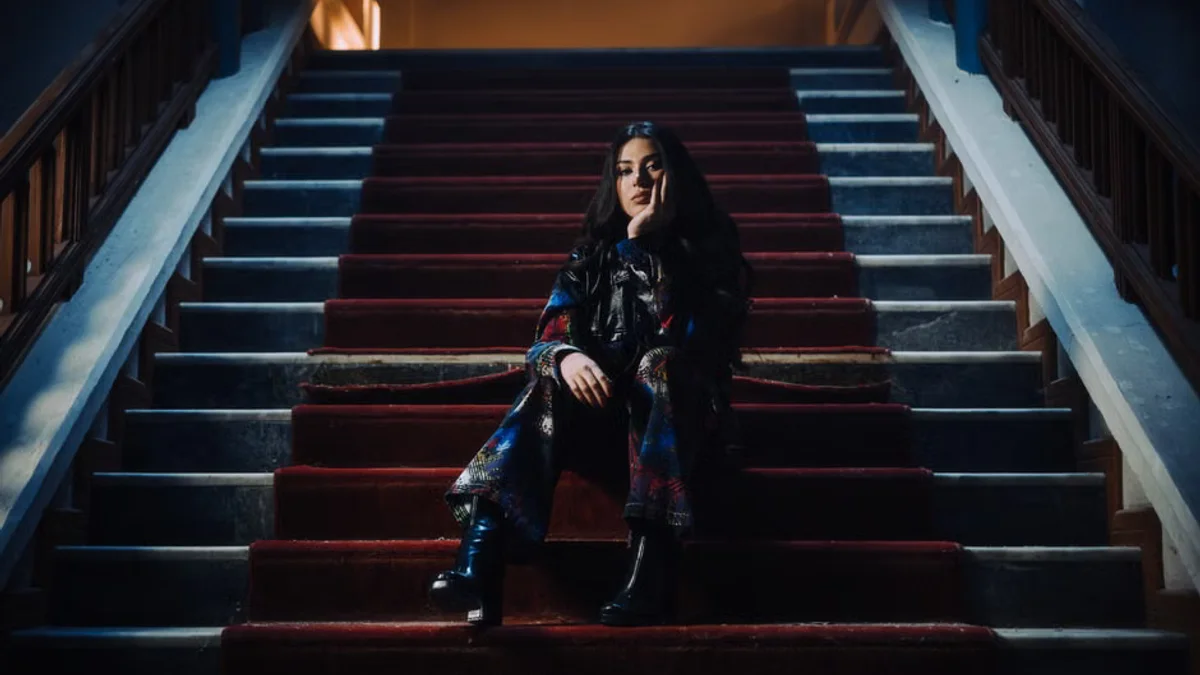
Initial critical reception has been sharply polarized. While proponents praise the series for utilizing modern psychological depth and confronting contemporary iterations of cyberbullying, detractors argue that the gritty, primal terror of the original 1974 text and Brian De Palma's iconic 1976 film has been diluted by over-polished visual effects and heavy-handed social commentary. The adaptation features a rising star in the title role, delivering a performance that has nonetheless drawn widespread acclaim across international entertainment circles.
Industry analysts point out that Carrie represents a broader trend among major studios looking to de-risk high-budget television slates by leveraging established horror brands. However, translating the visceral, isolated isolation of Carrie White into a world where every trauma is broadcast instantly presents unique narrative hurdles. Showrunners have defended the creative choices, emphasizing that the underlying themes of teenage alienation, religious fundamentalism, and systemic cruelty remain timelessly urgent.

Key Highlights
- Amazon's 'Carrie' reimagines Stephen King's 1974 novel for the digital streaming era.
- Critical reception is divided between praise for modern psychological depth and critiques of diluted terror.
- The series highlights how studios leverage legacy horror IPs to drive subscriber engagement.
As viewing figures climb across North America and Europe, the ultimate test for Prime Video's adaptation will be its long-term cultural footprint and whether it can redefine horror television standards for a new generation.