The Escalating Middle East Crisis and Global Economic Fears
The global economy is once again standing at a precarious crossroads as the prolonged geopolitical standoff in the Middle East intensifies. What began as regional friction has now snowballed into a major threat to international trade, maritime routes, and critical energy supplies. Leading global financial institutions are warning that if these disruptions continue unchecked, the world could witness a fresh wave of inflationary pressures.
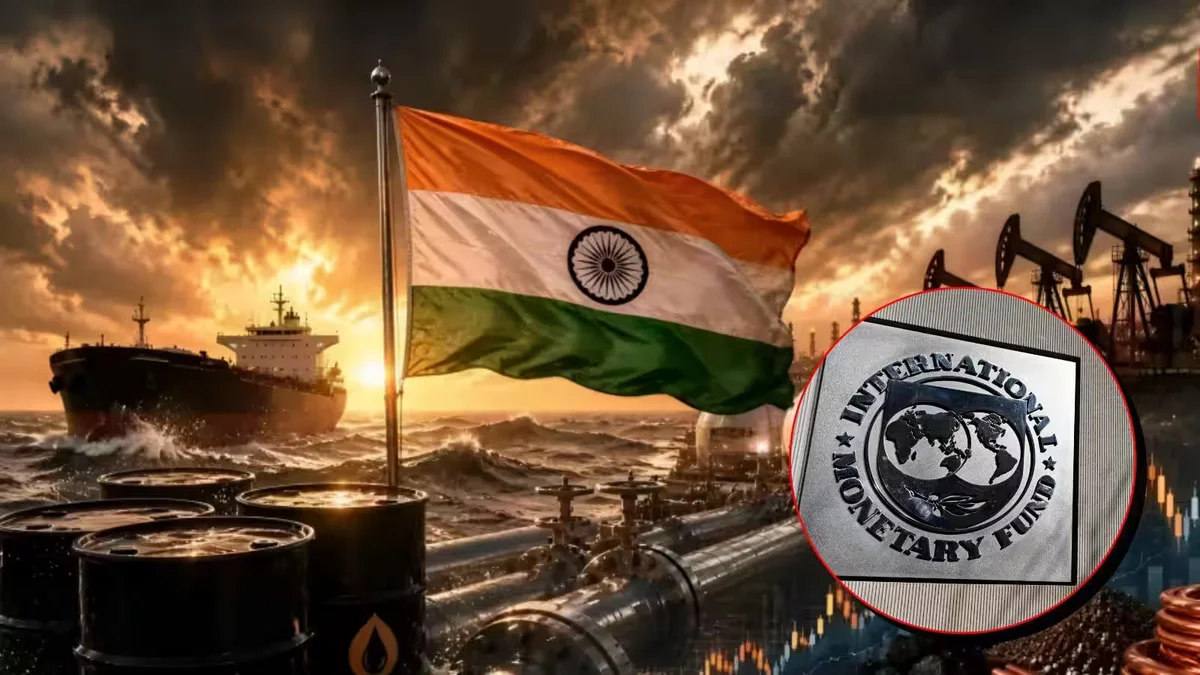
The International Monetary Fund (IMF) recently released an assessment highlighting that ongoing hostilities in the Middle East have severely damaged vital infrastructure and disrupted maritime transport. The institution noted that oil-producing nations, which previously cushioned initial economic blows using financial reserves and oil stockpiles, are seeing their fiscal buffers deplete. Returning to pre-war growth trajectories is becoming increasingly difficult for the region.
Economists point out that net-importer economies, particularly fast-growing emerging markets like India, are the most vulnerable to these supply shocks. Any sustained volatility in crude oil and natural gas prices directly translates into higher domestic fuel costs, straining public finances and escalating inflationary trends across the board.
Qatar Issues Dire Warning Over Energy Supplies
Fears in international energy markets deepened significantly after Qatar, one of the world's largest exporters of liquefied natural gas (LNG), delivered a stern and chilling message. Speaking at the annual session of Qatar's Shura Council, Emir Sheikh Tamim bin Hamad Al Thani cautioned that the world must brace itself for worsening conditions and prepare for severe uncertainties ahead.

Qatar accounts for roughly one-fifth of global LNG trade, making any disruption to its operations a matter of intense global anxiety. Emir Al Thani voiced deep concern over the security of Gulf waters and transport corridors. He condemned ongoing attacks on Qatari sovereignty and called for robust international cooperation to safeguard energy infrastructure and maritime trade.
The closure or restriction of key transit choke points like the Strait of Hormuz—through which a massive share of the world's petroleum passes—poses an existential threat to energy security. With export channels facing recurrent hurdles, importing nations relying heavily on Qatari energy face immediate operational risks.
Implications for India's Economy and Energy Security
The cascading effects of the Middle East turmoil pose direct challenges for India, which imports a significant portion of its domestic crude oil and natural gas requirements from the region. Prolonged blockades or shipping delays through vital maritime chokepoints could cause severe spikes in domestic fuel prices.
Higher crude prices inevitably lead to costlier petrol, diesel, and cooking gas, directly impacting household budgets and driving up transportation and manufacturing expenses. Financial experts note that such persistent inflationary pressures complicate macroeconomic management, potentially affecting India's fiscal deficit and overall growth momentum.
While policymakers and state oil marketing companies are actively diversifying procurement sources—increasing reliance on non-Middle Eastern suppliers—a prolonged global energy squeeze remains a formidable challenge.