1. The Core Issue: Background and Recent Developments
Recent health reports and ground signals from across the country indicate a sudden surge in measles cases, raising serious concerns among public health experts and parents. A disease that was once considered close to elimination is showing a worrying comeback. According to data from the World Health Organization (WHO) and public health agencies, disruptions in routine immunization schedules during and after the pandemic have left a larger cohort of vulnerable children unprotected.
Historically, measles is a highly contagious viral illness that spreads rapidly through respiratory droplets. However, the current scenario presents a distinct and alarming trend: children who have received their scheduled MMR (Measles, Mumps, and Rubella) vaccines are also contracting the infection. This has sparked intense medical debate regarding whether a new viral strain is at play or if systemic flaws in the vaccination pipeline are to blame.
At the heart of this investigation by 'The Free Lance' lies a critical question: why is there such a wide gap between official governmental claims and ground realities? Our findings suggest that vaccination alone is not a foolproof shield unless backed by proper cold chain management, adequate child immunity, and proper nutritional support.
2. Direct Impact on Everyday Citizens and Families: Understanding the Economic and Emotional Toll
For middle-class families, salaried employees, and daily-wage earners, childhood illnesses bring both emotional distress and severe financial strain. When a child contracts measles, families are often forced to seek expensive private healthcare. In severe complications requiring ICU care or prolonged isolation, treatment costs can skyrocket into lakhs of rupees.
For ordinary consumers and parents, this represents a double whammy. Soaring inflation and high medical costs already stretch household budgets to their limits, while health uncertainties create acute mental stress. Working parents are forced to take extended leaves from their jobs, directly impacting their livelihoods and career stability.
Furthermore, this issue strikes at the fundamental right to health. When parents diligently vaccinate their children through public or private channels, they do so in pursuit of a safe and healthy future. When vaccinated children fall sick anyway, public trust in healthcare systems takes a severe hit.
3. Data and Policy Analysis: The Gap Between Claims and Reality
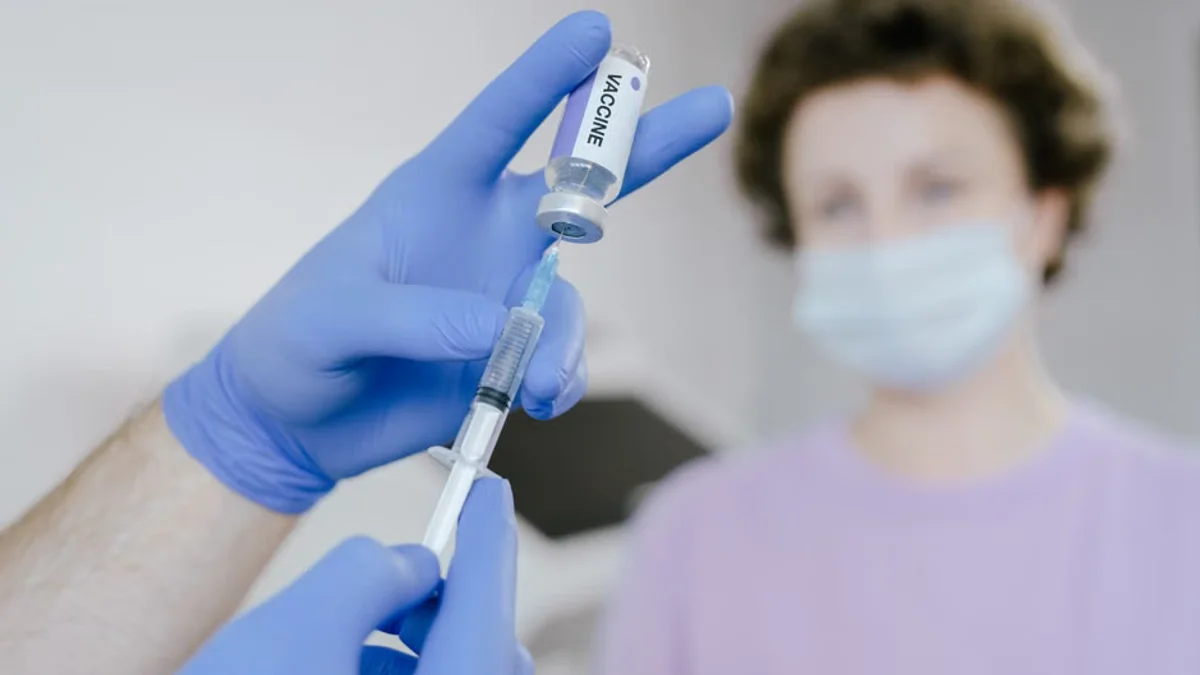
Government figures frequently boast of over 90% vaccination coverage under initiatives like Mission Indradhanush and the Universal Immunization Program (UIP). On paper, the picture looks pristine. However, independent public health researchers point out a vast chasm between coverage rates and actual vaccine efficacy. In many regions, failures in maintaining the vaccine cold chain degrade the potency of the doses before administration.
At the policy level, while health ministries target total measles elimination, achieving 100% penetration among urban migrant populations, slums, and remote rural pockets remains an uphill battle. Until every single child is reached with a potent vaccine on schedule, herd immunity remains elusive.
Data also highlights that malnourished children fail to mount a robust immune response even after vaccination. This underscores that public health policies cannot function in isolation; they must intertwine immunization with child nutrition and sanitation.
4. Expert Opinions and Policy Perspectives
Leading pediatricians and epidemiologists note that while breakthrough infections are not entirely impossible with any vaccine, symptoms are typically mild. If vaccinated children are falling severely ill, it warrants urgent scientific investigation into primary vaccine failure (failure to generate initial antibodies) and secondary vaccine failure (waning immunity over time).
"Vaccination remains our strongest defense against measles, but it is not an impenetrable armor. Unless every child in the community completes both doses of the MMR vaccine, outbreaks will continue to pose a threat. We must make surveillance and cold chain monitoring entirely transparent." - Senior Pediatrician
Policy makers acknowledge that pandemic-related disruptions to routine immunization created an immunity debt that we are now paying through these outbreaks. Launching aggressive catch-up vaccination drives is seen as the only viable remedy.
5. Legal and Systemic Dimensions: Gaps and Challenges
Public health protection is a core state responsibility. Under Article 21 of the Indian Constitution, the right to health is an integral part of the right to life. Therefore, systemic administrative failures or compromised vaccine standards leading to outbreaks constitute a breach of civic duty.
Systemic gaps include severe shortages of grassroots healthcare workers (ASHAs and ANMs), inadequate digital health tracking, and logistical failures in vaccine storage. Private clinics operating outside regulatory oversight regarding single-dose or substandard vaccines further exacerbate the vulnerability.
6. The Free Lance Take and Essential Advice for Readers
'The Free Lance' firmly believes that child health is the ultimate metric of a nation's true progress. The rising measles cases are not just a medical emergency; they are a litmus test for our public health infrastructure. Governments must move beyond paperwork and address ground-level realities.
Here is essential guidance for parents and readers:
- Verify Vaccination Cards: Ensure your child has received both doses of the MMR vaccine at the recommended ages (9-12 months and 16-24 months).
- Never Ignore Symptoms: If a child exhibits high fever, persistent cough, runny nose, or distinctive red rashes, consult a qualified pediatrician immediately.
- Focus on Nutrition: Build robust immunity by including vitamin-A-rich foods and balanced nutrition in your child's daily diet.
- Beware of Misinformation: Ignore unverified anti-vaccine propaganda on social media and rely solely on medical science and certified doctors.