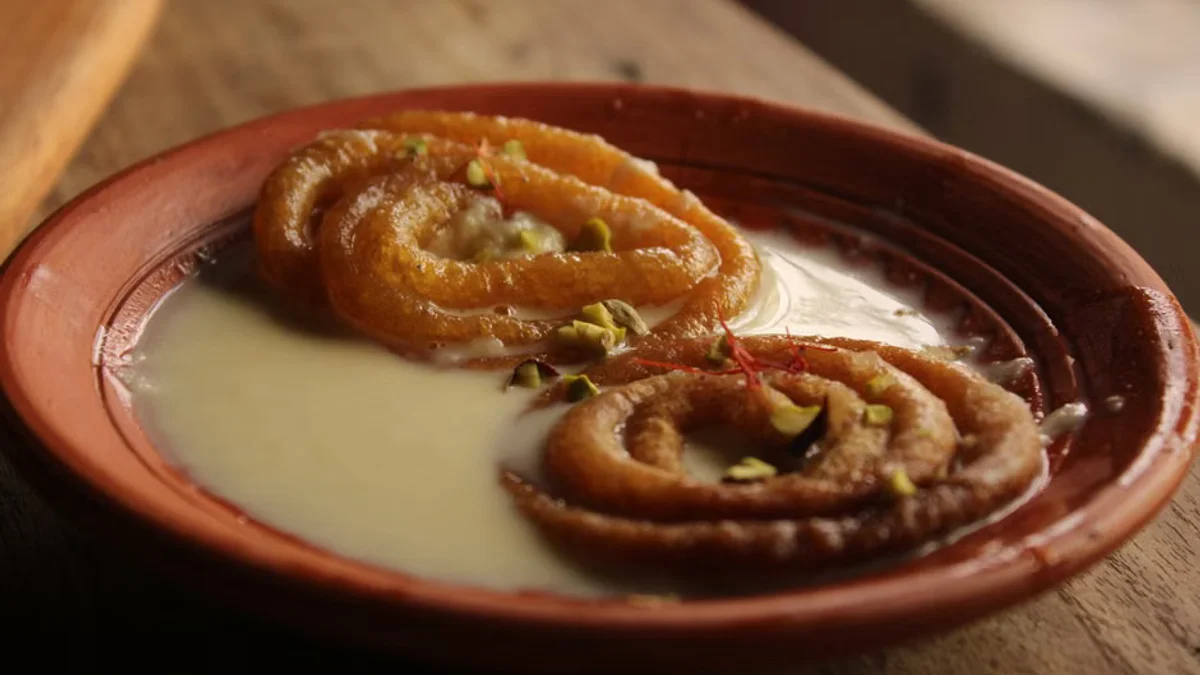
In India, traditional sweets (mithai) are far more than mere culinary treats; they represent celebration, hospitality, and cultural bonding. From festive boxes gifted during Diwali to everyday savories bought from corner sweet shops, loose sweets account for a massive share of household consumption. Yet, behind the glistening glass counters of sweet shops lies an unregulated gray zone. Consumers have long relied on blind faith and the verbal assurances of sweet vendors regarding the freshness of mawa, khoya, and chhena delicacies. Addressing this critical public health hazard, the Food Safety and Standards Authority of India (FSSAI) and state food safety administrations have strictly enforced mandatory 'Date of Manufacture' and 'Best Before Date' displays on trays holding loose sweets.

1. The Core Issue: Regulatory Context and Recent Developments
While packaged consumer foods in India have complied with mandatory expiry and manufacturing date labeling under the Legal Metrology and FSSAI rules for decades, the vast loose mithai segment—largely dominated by the unorganized sector—operated without transparent accountability. Sweets prepared days in advance were regularly refreshed with new sugar syrup, artificial flavorings, and shiny silver foil (varak), masking bacterial decay.
Although FSSAI originally conceived guidelines for loose sweets in late 2020, nationwide compliance faltered due to lack of local enforcement, post-pandemic business disruption, and lobbying from sweet trade associations. However, repeated laboratory seizures during festive peaks revealed hazardous levels of adulteration, rancid fats, and pathogenic bacterial loads in mawa products. Reacting to surging hospitalizations caused by acute food poisoning, regulatory bodies have now revived and enforced this rule with stringent penal provisions for non-compliant establishments.
2. Direct Impact on Consumers and Working Families
The health risks associated with stale sweets are acute and well-documented. Dairy-based sweets made from khoya, paneer, and milk solids carry very high moisture activity, making them fertile breeding grounds for pathogenic micro-organisms like Salmonella, E. coli, and Staphylococcus aureus. Gastroenterologists consistently report a 30% to 40% spike in acute gastroenteritis and food poisoning cases following major festival periods.

Under ambient Indian temperatures often exceeding 30 degrees Celsius, milk-based sweets like rasgulla, kalakand, and rabri begin deteriorating within 24 to 36 hours unless strictly refrigerated under 5 degrees Celsius. When middle-class families purchase sweets priced between ₹600 and ₹1,400 per kilogram, they are not only paying for premium culinary craft but also expecting safe nutrition. Mandatory date displays arm the average citizen with the critical knowledge needed to protect vulnerable family members, including children and elderly relatives, from preventable infections.
"Under Section 16 of the Food Safety and Standards Act 2006, every consumer possesses an inalienable right to know the preparation date and safety window of unpackaged foods. Mandating date labels is a basic public health necessity, not an unreasonable commercial burden." — Public Health Policy Analyst
3. Data and Policy Breakdown: Reality vs. Ground Enforceability
India's sweet and namkeen manufacturing industry operates at an estimated annual turnover of ₹1.25 lakh crore, with over 70% categorized as unorganized micro-enterprises. There are more than one million sweet vendors and neighborhood halwais operating across the country. Enforcing micro-level compliance across this sprawling expanse poses massive systemic hurdles.
Crucially, regulatory infrastructure remains severely under-resourced. India averages fewer than two Food Safety Officers (FSOs) per one million citizens in many states, and accredited NABL food testing laboratories suffer from severe backlogs. Often, by the time an inspection team tests a suspect sweet sample and receives the lab verdict, the entire batch has already been sold and consumed. Sweet vendor associations also argue that shelf-life varies drastically depending on ambient humidity, refrigeration availability, and seasonal swings, demanding that FSSAI publish standardized shelf-life guidelines tailored to regional recipes.
4. Legal Framework and Structural Loopholes
Under Sections 52 and 58 of the Food Safety and Standards Act (FSSA) 2006, misbranding, deceptive labeling, or selling substandard loose food products attracts monetary penalties ranging from ₹3 lakh to ₹5 lakh. In severe instances causing grevious hurt or fatalities, Section 59 allows for non-bailable criminal prosecution and imprisonment.
Nevertheless, ground implementation faces sharp loopholes:
- Display Manipulation: Unscrupulous vendors can easily swap freshness tags or transfer older leftover stocks underneath freshly displayed batches.
- Post-Purchase Traceability: Once sweets are transferred from the labeled tray into an unbranded cardboard box, the consumer loses formal documentation of the product's batch date unless explicitly stamped on the invoice.
- Unregulated Catering: Large-scale banquets, wedding caterers, and bulk sweet distributors largely evade display regulations, continuing to circulate stale batches unchecked.
5. The Free Lance Perspective: Reader Actionable Advice
At 'The Free Lance', we view this directive as a crucial milestone for consumer rights in India. However, executive orders remain toothless without active citizen vigilance and uncompromising municipal inspections. To protect your family's health and consumer rights, observe the following precautions:
- Inspect Tray Tags: Always verify that the sweet tray bears a legible date of preparation and 'Best Before' timeline before placing an order. Demand explanations if tags are missing.
- Insist on Itemized Tax Invoices: Never buy sweets without an explicit printed receipt displaying the item name, batch/date, and transaction time. It serves as your primary legal evidence in case of food safety grievances.
- Check Texture and Aroma: Reject any milk or mawa sweets that exhibit sour odors, discoloration, or unnatural stickiness.
- Lodge Digital Complaints: Report violations, deceptive labeling, or stale goods immediately via the FSSAI 'Food Safety Connect' mobile application or the National Consumer Helpline (1915).