
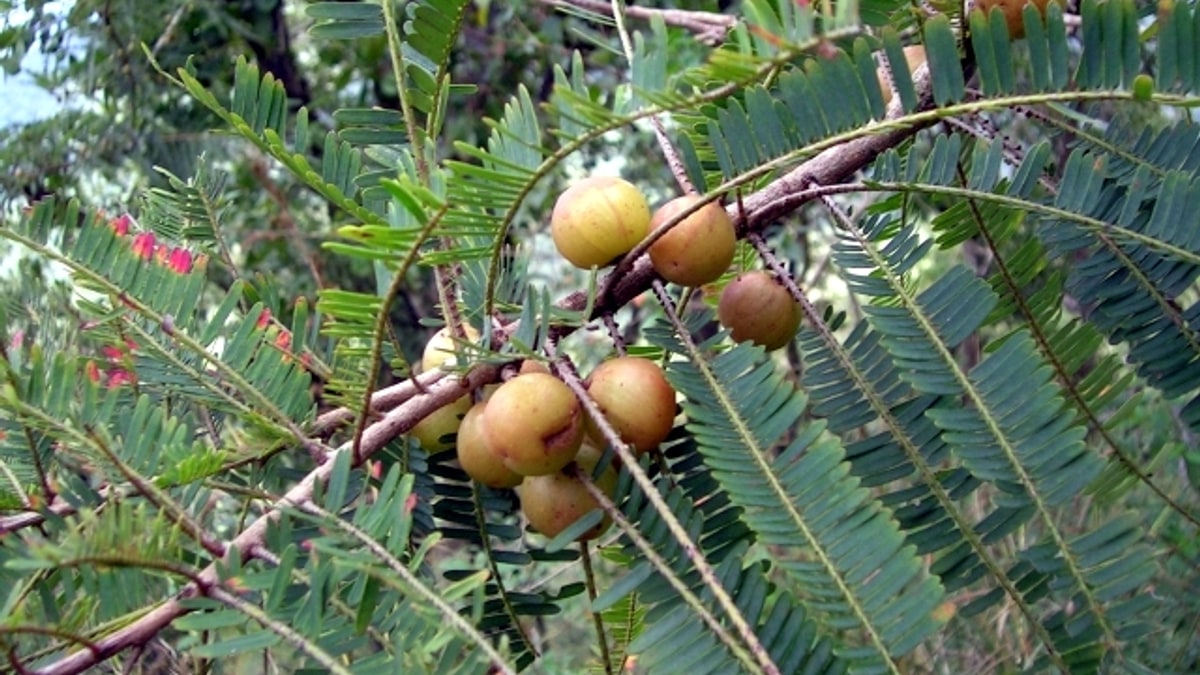
Amidst the winter sun in Delhi, our ground reporting team explored local markets where fresh, glossy green amlas caught our attention. Recently, Prime Minister Narendra Modi, in the 138th episode of his radio address 'Mann Ki Baat', specially mentioned this indigenous fruit, calling it an integral part of Indian tradition and Ayurveda. Following this, curiosity has surged among people regarding why this tiny fruit is considered akin to 'nectar'. Our team conducted a ground-level investigation and spoke extensively with Delhi's renowned senior dietitian, Amrita Mishra, to bring authentic scientific facts about this 'superfood' to our readers.
In Indian culture and folklore, the origin of ammla is traced back to the drops of nectar that fell during the Samudra Manthan (churning of the ocean). While mythological tales may be symbolic, modern science and nutrition experts agree that in terms of nutrition, amla is truly no less than nectar. According to reports, a single amla tree can bear fruit for 65 to 70 years. This small fruit is packed with pectin, powerful antioxidants, and vitamin C. Medical experts state that a single amla contains more vitamin C than roughly 3 oranges or 16 bananas, which is why it is hailed as the 'powerhouse of vitamin C'.
Powerhouse of Nutrition and Expert Advice
In this special investigation by 'The FreeLance', we learned in detail from dietitian Amrita Mishra why this fruit is given the status of a superfood and what changes occur in the body if a person consumes one amla daily for 30 consecutive days.
- Treasure trove of nutrients: Along with vitamin C, amla is rich in fiber, carbohydrates, potassium, calcium, iron, and magnesium. Antioxidants like polyphenols, flavonoids, and tannins protect the body from oxidative stress.
- Changes in 30 days: If consumed daily for a month, it strengthens immunity, improves the digestive system, and brings a natural glow to the skin.
- Best ways to consume: There is no single rigid way to eat amla; it depends on how easily you can incorporate it into your diet. However, raw amla is considered superior from a nutritional standpoint as it retains maximum fiber.
- Diabetes friendly: Due to low calories, high fiber, and a very low glycemic index, it is considered an excellent food for diabetic patients.
Regarding popular myths, such as the claim that daily amla consumption turns white hair black, dietitians clarify that there is no solid scientific evidence to support this claim. A healthy individual can consume one to two fresh amlas daily. If consuming it on an empty stomach causes acidity or discomfort, it is best eaten with or after meals. By making this priceless gift of nature a part of our daily routine, we can safeguard our health in the long run.


