Major Push for Modern Agriculture with Substantial Subsidies
In a significant move to empower farmers and modernize agricultural practices, the government has rolled out a comprehensive financial assistance program under the Sub-Mission on Agricultural Mechanization. This initiative aims to make high-tech farming equipment accessible and affordable for ordinary cultivators, ultimately reducing production costs and saving crucial time during peak farming seasons.
Traditional farming often suffers from heavy labor dependence and high operational costs. To counter this, authorities have included a wide array of advanced machinery in the current subsidy catalog, enabling farmers to upgrade their agricultural infrastructure without facing extreme financial burdens.
Eighty-Six Types of Equipment Included in the Program
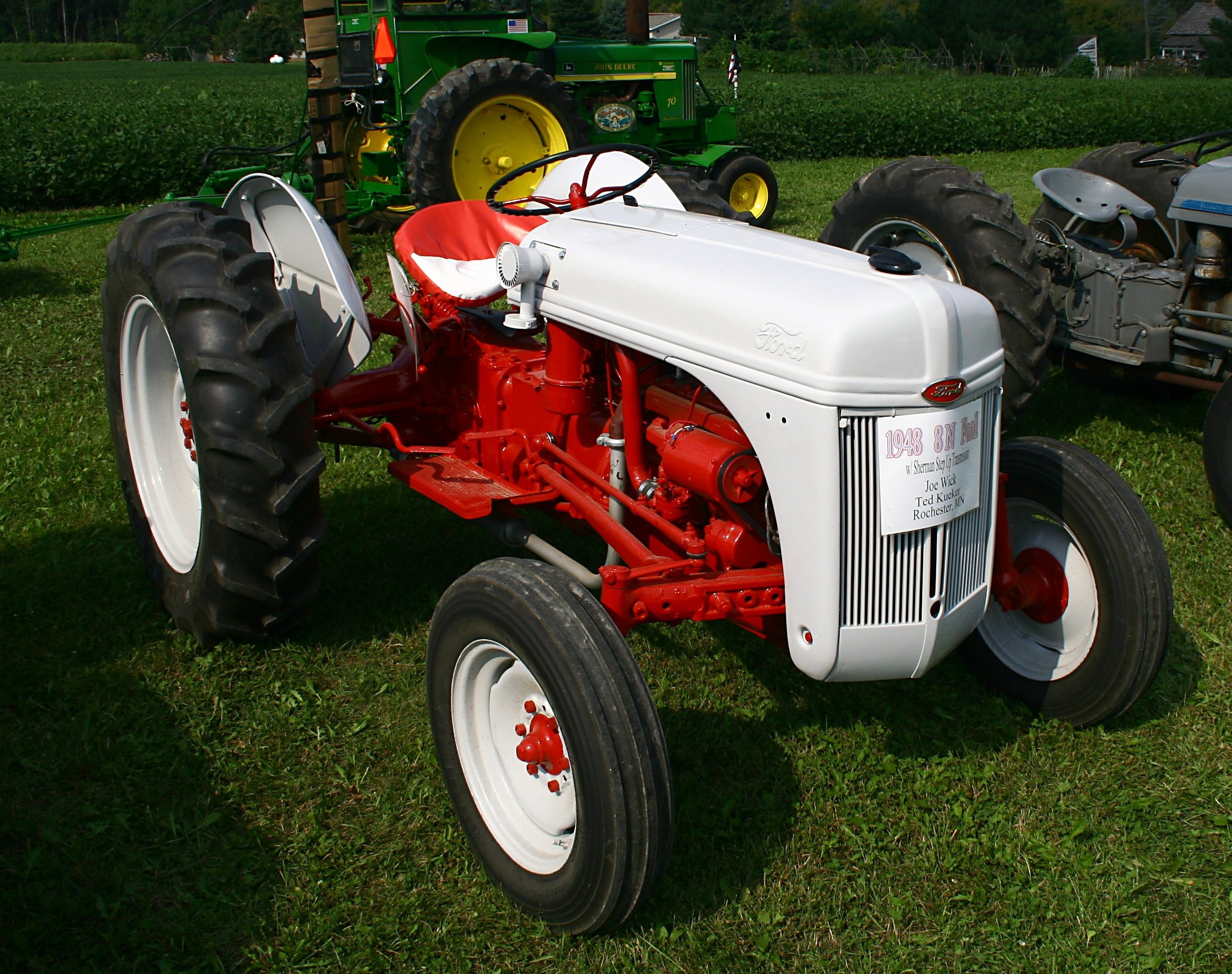
Official guidelines reveal that a total of 86 distinct types of agricultural machinery are covered under the scheme. This expansive list ranges from basic soil-tillage tools to advanced harvesting and residue management systems. Tractors, power tillers, cultivators, seed drills, happy seeders, combine harvesters, threshers, reapers, and spray pumps are readily available through this subsidized framework.
Agricultural experts emphasize that the integration of such machinery significantly reduces dependency on manual labor, which has become increasingly scarce and expensive during sowing and harvesting periods. Consequently, farmers can achieve higher productivity and better crop management with minimal effort.
Custom Hiring Centers and Drone Technology Support
Recognizing that small and marginal farmers cannot individually afford expensive heavy machinery, the government heavily promotes collective farming models and Custom Hiring Centers (CHCs). These hubs allow farmers to rent advanced tools at nominal rates.
Establishing a standard custom hiring center attracts financial aid of up to 40 percent (capped at 400,000 rupees), while agricultural machinery banks can receive up to 80 percent assistance (capped at 800,000 rupees). Furthermore, specialized drone-hiring hubs are being promoted to facilitate aerial pesticide and fertilizer application at the village level.
"Technological integration is imperative for the future of sustainable farming. Ensuring that grassroots cultivators have access to advanced machinery will fundamentally transform the rural economy."— Agricultural Policy AnalystTransparent Selection and Direct Benefit Transfer
To maintain absolute transparency, beneficiary selection is conducted through a fair lottery system in cases where applications exceed available quotas. Selected individuals receive a temporary purchase permit, after which they must procure the machinery directly.
Once the purchase is verified, the applicable subsidy amount is directly credited to the beneficiary's bank account via Direct Benefit Transfer (DBT), eliminating any intermediary delays and ensuring complete financial integrity.
Application Deadlines and Essential Documentation
Eligible individuals must submit their applications through the designated online portal before the final deadline of September 30. Required documents typically include an Aadhaar card, land ownership records or self-declaration forms, and active bank account details.