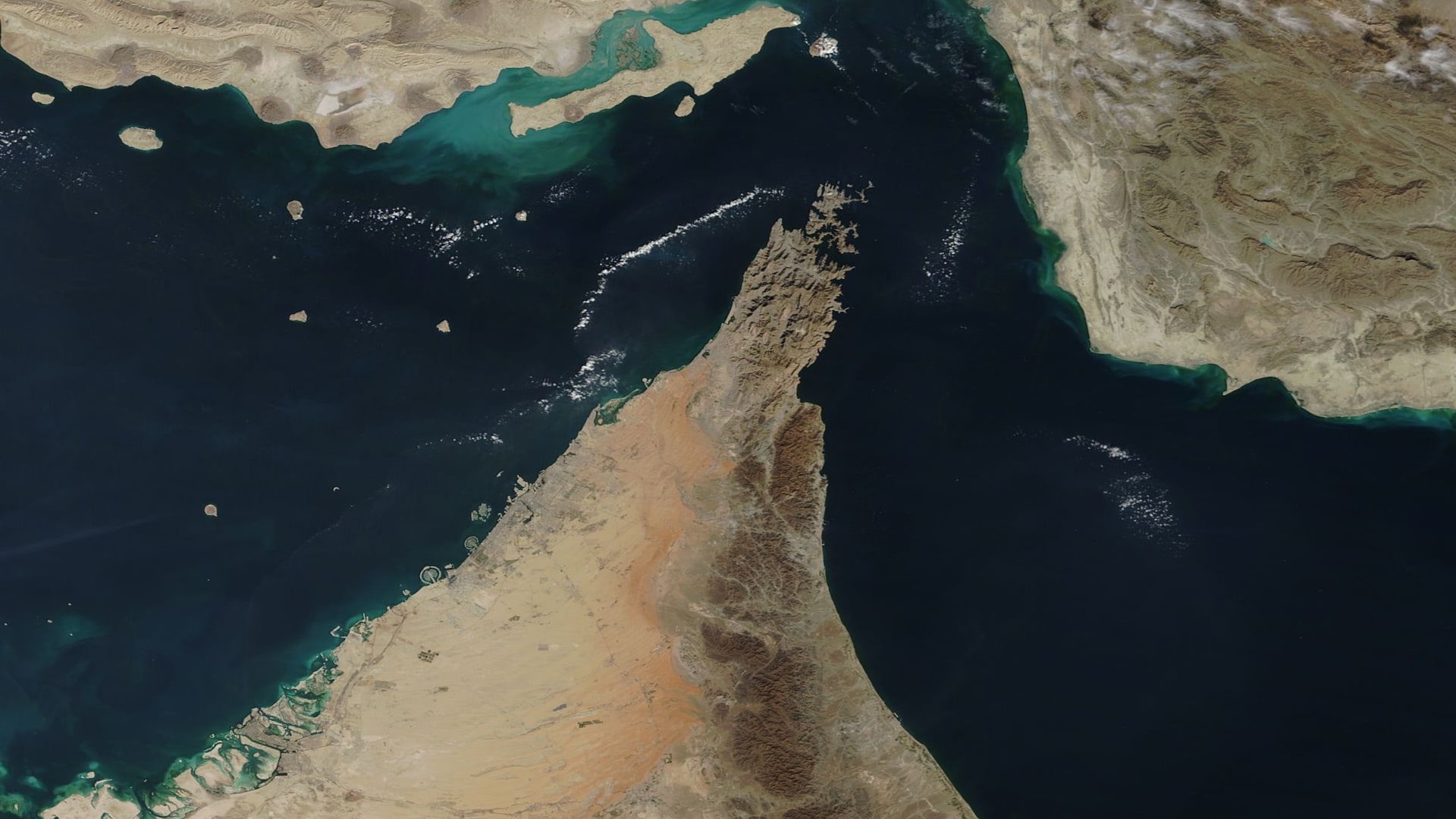
Dubai/Tehran — A catastrophic maritime disaster has struck the Strait of Hormuz, the world's most critical maritime transit corridor. A massive container vessel loaded with approximately 2,500 shipping containers sank after colliding with an active naval sea mine. The explosion ripped through the hull, compromising the engine compartment and triggering rapid flooding. Despite desperate efforts by the crew, the vessel could not be stabilized and sank entirely into the deep waterway along with its multimillion-dollar cargo. The incident has sent shockwaves across the global shipping and energy supply chains amid worsening regional hostilities.
Regional maritime tracking agencies raised urgent red alerts as distress calls went out across naval frequencies. Nearby naval patrols and commercial vessels immediately altered their courses to provide emergency assistance. Eyewitness accounts and radar logs confirmed a deafening underwater explosion followed by rapid loss of buoyancy. The crew initiated emergency abandon-ship procedures as high-pressure seawater overwhelmed the lower holds. Search and rescue operations successfully evacuated the majority of the crew, with several injured mariners transported to shore clinics for immediate trauma care.

Massive Explosion Mid-Sea and Emergency Evacuation
The merchant ship was transiting a standard navigation corridor when the underwater detonation tore through its hull. The shockwave knocked out shipboard power systems, rendering bilge pumps useless within minutes. Emergency liferafts were deployed as adjacent vessels rushed to assist. Maritime safety authorities have confirmed that while most crew members survived the terrifying incident, the economic wreckage is immense. Over 2,500 large freight containers were lost to the sea, posing acute navigation hazards for other passing tankers.
The Strait of Hormuz connects key Middle Eastern crude producers to international waters, handling over twenty percent of the globe's petroleum flows. Hostilities in the region have turned these waters into an active confrontation zone. Maritime defense analysts noted that while drone strikes and missile attacks had previously threatened commercial vessels, this marks the first confirmed sinking of a major container vessel by a naval mine since current regional conflicts erupted.
Global Supply Lines and Insurance Costs in Freefall
International shipping consortiums are reacting with deep alarm. Several prominent ocean carriers have temporarily halted sailings through the Strait of Hormuz, weighing costly reroutes around the southern tip of Africa. Such diversions inevitably lengthen voyages by weeks, driving freight rates to exorbitant heights. War risk insurance premiums for vessels entering Gulf waters have spiked immediately. These developments threaten to fuel inflation across consumer goods and increase volatility in benchmark crude oil contracts worldwide.

Naval warfare experts emphasize that buoyant and tethered sea mines present an insidious threat. They are notoriously hard to detect using civilian navigation sonar until impact occurs. Furthermore, hundreds of partially submerged containers are now adrift in the narrow passage, creating severe physical collision risks for ultra-large crude carriers navigating under low visibility conditions.
Implications for India and Global Energy Security
For India and major Asian economies, the security of the Strait of Hormuz is paramount. India relies heavily on Gulf imports for crude oil and liquefied natural gas. Any prolonged disruption to shipping lanes through Hormuz directly imperils energy stockpiles and domestic fuel price stability. The Indian Navy continues to maintain an active presence under Operation Sankalp to reassure and escort Indian-flagged merchant marine traffic.
Multinational naval task forces are currently conducting mine-clearing sweeps and monitoring floating debris to keep the shipping channels clear. Technical investigations are underway to trace the origins and deployment timeline of the ordnance involved. This disaster underscores the fragile reality of international commerce, with maritime authorities expected to impose stringent convoy protocols in the days ahead.