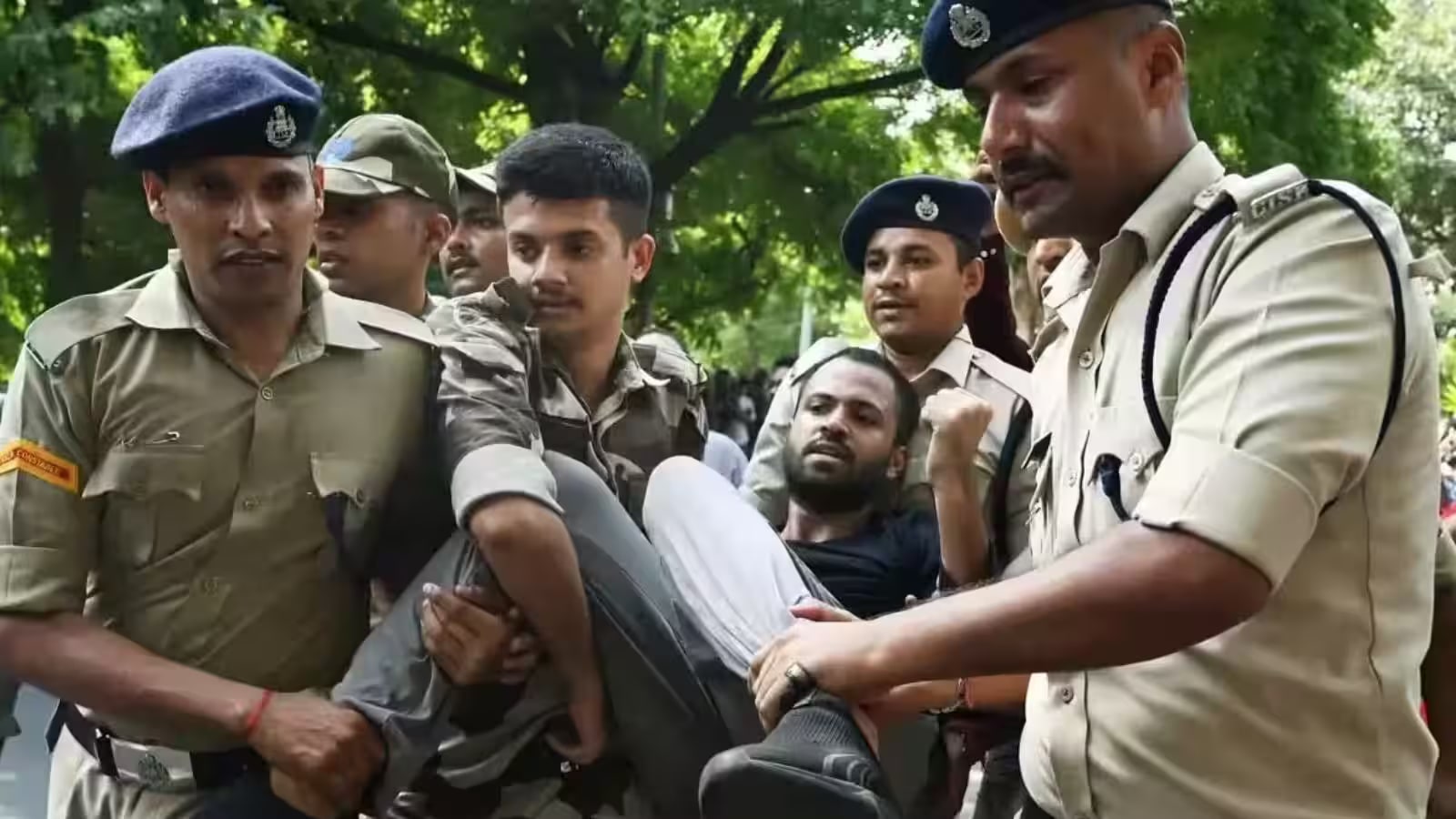
Delhi Police Issues New Advisory for Media Covering Protests
The Delhi Police has rolled out a fresh set of guidelines for media professionals reporting on public demonstrations and protests across the national capital. The advisory emphasizes that journalists operating on the ground must maintain clear visibility of their professional identity. According to law enforcement authorities, this step is aimed at ensuring better coordination and preventing confusion during tense law and order situations.
In an official statement shared on social media, the police administration noted that while securing a story is important, the methodology and adherence to professional boundaries while obtaining it matter equally. This development has triggered widespread discussions among media circles and political groups regarding the timing and necessity of such stringent protocols.
Mandatory Display of Press Credentials and Identity Cards
Under the newly released advisory, reporters and camerapersons arriving at protest sites are strongly advised to carry valid identification cards issued by their respective media organizations. Furthermore, those possessing accredited Press Information Bureau (PIB) or Directorate of Information and Publicity (DIP) cards are encouraged to display them prominently.
The administration has specifically instructed that these credentials must be worn in a manner that allows security personnel and law enforcement officers deployed at the venue to easily recognize media representatives from a distance. Officials believe this transparency will help prevent misunderstandings during volatile crowds.
Background of Recent Allegations and Protests
Media associations and independent bodies have pointed out that this advisory comes in the wake of recent controversies involving security personnel. Previously, female journalists had leveled serious allegations of misconduct and sexual harassment against certain police officers while covering a demonstration near Jantar Mantar.
These allegations had sparked intense outrage, leading several independent journalists and press bodies to stage demonstrations outside police stations, demanding formal FIRs and strict action against the accused personnel. Observers suggest that these preceding events prompted the administration to formalize guidelines for media presence at protest venues.
The Debate Over Missing Police Name Badges
Another contentious issue surrounding recent protests has been the absence of name plates or identification badges on the uniforms of police officers and paramilitary personnel. During various high-profile agitations, reporters frequently noted that law enforcement officials lacked visible name tags.
While officials later clarified that badge removal was a tactical measure to prevent targeted harassment on social media platforms, critics and political figures seized the opportunity to question police accountability. Opposition voices and commentators argued that transparency should apply uniformly to both the press and the law enforcement machinery.
Ensuring Safety and Avoiding Operational Obstacles
The Delhi Police advisory also urges media personnel to position themselves in designated safe zones so that their presence does not obstruct the movement of security forces or impede official duties during confrontations. The authorities reiterated that while freedom of the press is deeply valued, maintaining public safety remains their paramount duty.