Unlocking the Genetic Shield of Desi Cows Against Lumpy Virus
In a major breakthrough for livestock security in India, scientists at the National Bureau of Animal Genetic Resources (NBAGR) have identified specific genetic signatures in indigenous cows associated with natural resistance against Lumpy Skin Disease (LSD). This significant discovery opens up new avenues for breeding disease-resistant cattle and protecting dairy farmers from severe economic losses in the future.
The Lumpy virus outbreak in previous years caused panic among livestock owners across several states, leading to thousands of cattle deaths and a sharp decline in milk production. The identification of genetic resistance markers at the DNA level marks a historic milestone in veterinary science.
A Detailed Research Project Run from 2022 to 2024
Led by principal scientist Dr. Ravikumar Gandham under a special project at the Animal Biotechnology Division of NBAGR in Karnal, researchers analyzed the genetic traits of both indigenous and exotic cattle breeds between 2022 and 2024. The primary objective was to understand how the immune systems of different breeds react during a Lumpy virus infection.
Understanding the Impact of Lumpy Skin Disease
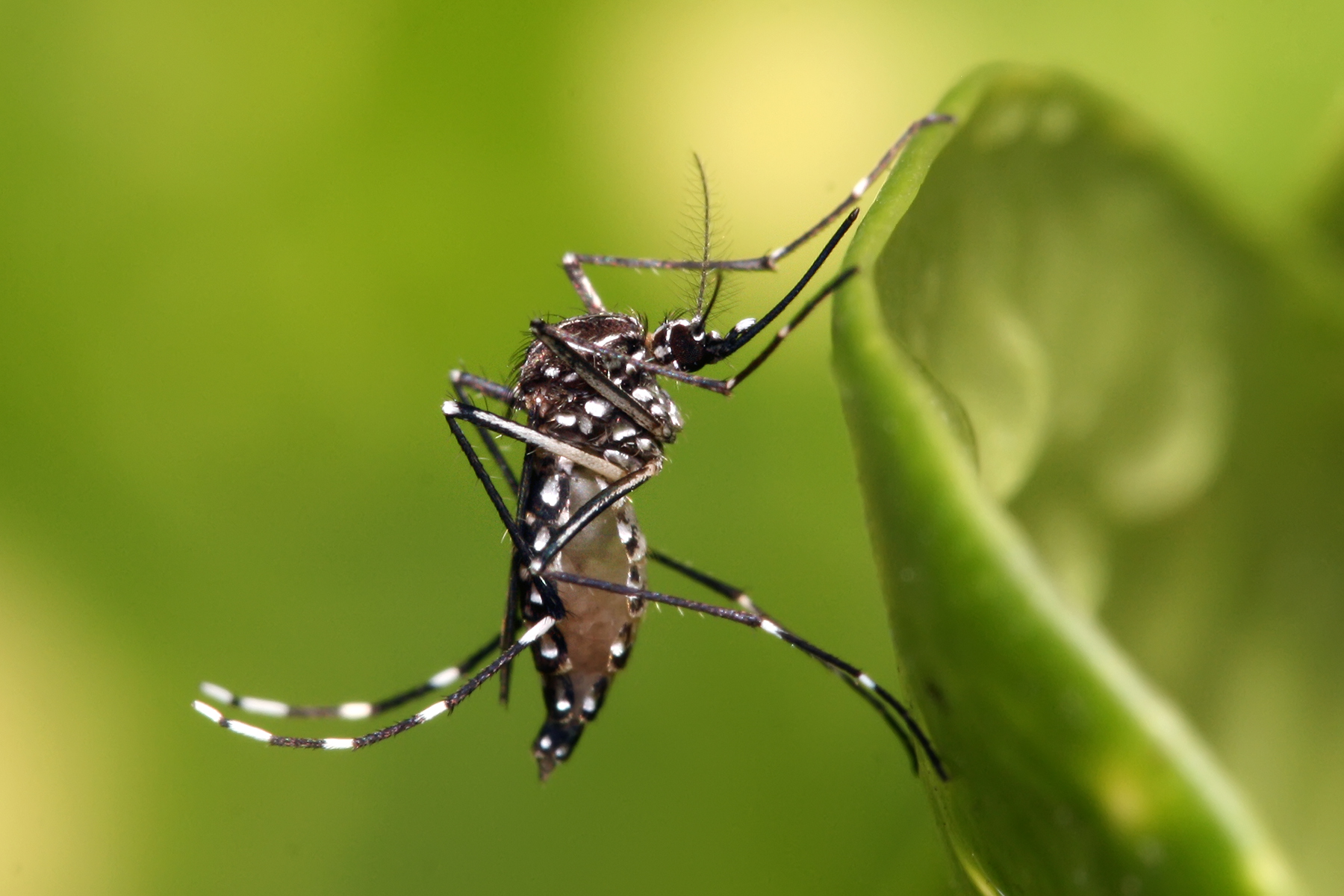
LSD is a contagious viral infection affecting cattle, primarily transmitted by blood-feeding insects such as mosquitoes and flies. Infected animals develop high fever, characteristic hard nodules on the skin, severe weakness, and a significant drop in milk production. The study highlights that a cow's internal DNA makeup heavily dictates how its body fights off external viral attacks.
Future Implications for Breeding and Dairy Farming
The findings can be integrated into future marker-assisted breeding programs. Cattle exhibiting superior genetic resistance markers against Lumpy disease can be selected to pass these traits down to future generations, ensuring healthier and more resilient livestock populations across the nation.