
Grave Concerns Raised Over The Functioning of Election Commission
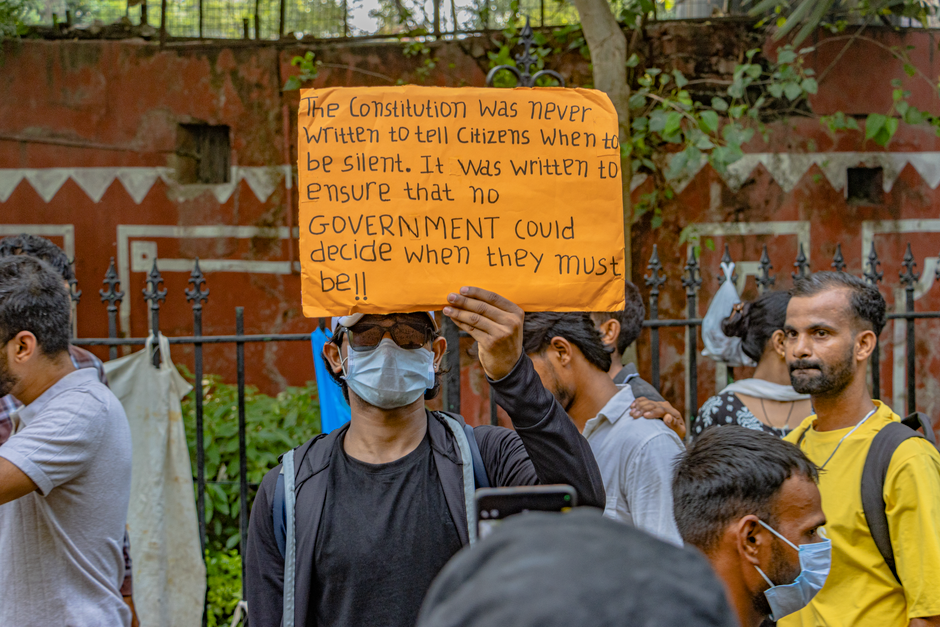
The impartiality and integrity of India's electoral and democratic framework have once again come under intense scrutiny. Various social organizations and citizen forums are increasingly questioning the operational methods of the Election Commission. In this sequence, hundreds of activists and common citizens under the leadership of the Sanvidhan Bachao Sangharsh Samiti took to the streets to register their strong dissent. Protesters explicitly stated that the growing threats to the autonomy of electoral institutions can no longer be ignored.
During the protest, fiery slogans were raised against Chief Election Commissioner Gyanesh Kumar, accompanied by the burning of his effigy. Speakers at the venue alleged that democratic values and constitutional rights are being systematically undermined in the current administrative setup. They argued that the lack of transparency in the electoral process severely damages public trust, which is completely unacceptable.
Political analysts believe that such grassroots agitations could further intensify demands for sweeping electoral reforms. When ordinary citizens perceive their fundamental democratic freedoms to be under threat, their collective anger naturally spills onto the streets. Committee leaders warned that if their grievances are not addressed seriously, the scope of this agitation will be expanded significantly.
Controversy Surrounding The SIR Process and Voting Rights
The core issue highlighted during the demonstration was the contentious SIR process and its associated administrative flaws. Addressing the gathering from the podium, speakers alleged that under the guise of this special procedure, marginalized, backward, and vulnerable communities are being systematically disenfranchised. They claimed that bureaucratic technicalities are being weaponized to strip ordinary citizens of their civic identity and voting rights.
Representatives of the struggle committee elaborated on how citizens, despite holding valid identity proofs for decades, are being entangled in unnecessary bureaucratic hurdles during electoral roll revisions. Critics argue that if foundational constitutional powers like the right to vote face such administrative blows, the very bedrock of the nation's democratic structure will be shaken.
This entire development has created ripples within administrative circles as well. Experts suggest that constitutional bodies like the Election Commission must maintain absolute transparency in their functioning to prevent any perception of bias or discrimination. The true strength of a democratic system lies in free and fair elections, and every challenge to this premise remains a matter of grave concern.
The Rising Demand for Electoral Integrity
At the massive protest meeting held at Randhir Verma चौक, representatives from diverse social organizations united to voice their concerns. Prominent speakers included Debu Mahto, Shashi Bhushan Kumar, Subal Das, Dilip Ram, Bablu Das, and former councilor Ganpat Mahto, alongside dozens of others. All speakers emphasized that they are prepared to go to any extent to protect the rights bestowed upon citizens by the Constitution.
"When the fundamental rights of the nation's people come under direct attack, silence becomes the greatest crime. We will continue our struggle until a high-level inquiry is conducted into the Election Commission's functioning and justice is delivered to every citizen deprived of their voting rights." — Key Speaker, Sanvidhan Bachao Sangharsh Samiti
Speakers also launched a sharp attack on the central government, alleging that the federal structure and constitutional institutions have been systematically weakened over recent years. They stated that policies surrounding citizenship and voting rights threaten to tear apart the country's social fabric. These leaders clarified that their struggle is not against any specific individual, but rather for safeguarding the dignity of constitutional institutions.
Future Roadmap and Agitation Warning
Conclude the protest, committee leaders discussed the roadmap for future agitations. They announced that if the Election Commission fails to immediately rectify the flaws in the SIR process and restore the rights of affected citizens, the protest will be escalated to the national level. Preparations are underway to intensify demonstrations from district headquarters all the way to the national capital.
This entire episode has once again ignited debates on the level of accountability and transparency expected from election authorities in a massive democracy like India. Such voices emerging from various parts of the country demonstrate that citizens are now far more vigilant and aware of their rights than ever before. Political parties and administrative corridors will undoubtedly be watching these developments closely.


