The Enduring Relevance of Mahatma Gandhi's Ideals
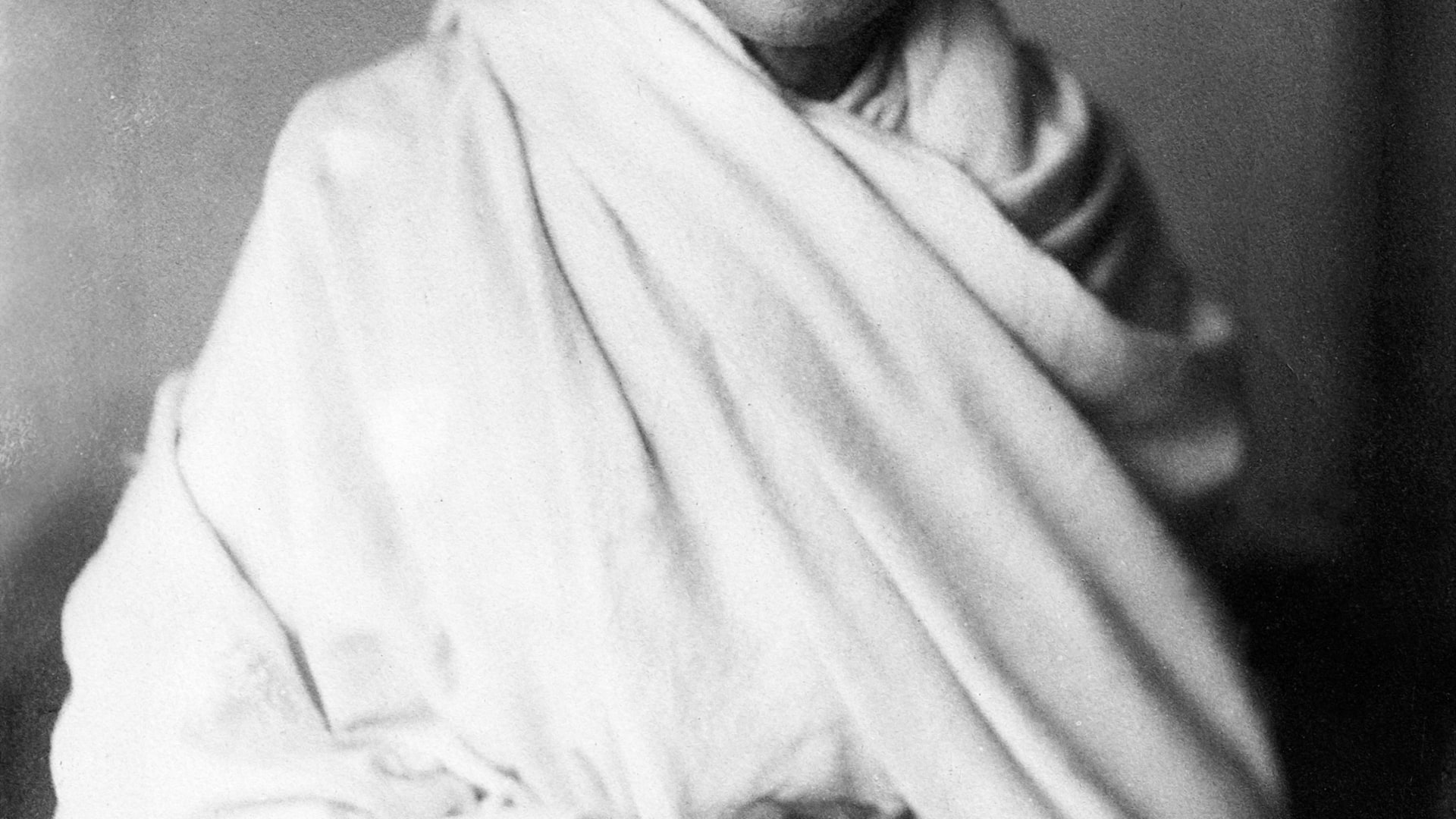
The second of October holds a special place in Indian history, marking the birth anniversaries of two great leaders—Mahatma Gandhi and Lal Bahadur Shastri. Mohandas Karamchand Gandhi, universally known as Bapu, dedicated his entire life to truth, non-violence, and justice. As the nation commemorates his anniversary, it is essential to reflect on whether modern society is truly following the path he charted, or if his teachings have been reduced to mere rhetoric and textbooks.
Starting from his early struggles against racial discrimination in South Africa to leading India's freedom movement, Gandhi relied entirely on peaceful resistance and Satyagraha rather than violence. In today's fast-paced digital era, his timeless messages are more crucial than ever for maintaining societal harmony.
President Droupadi Murmu's Message on Global Peace
On the eve of Gandhi Jayanti, President Droupadi Murmu underlined that parts of the world are currently witnessing severe conflicts and wars. In such challenging times, Mahatma Gandhi's message of non-violence offers a beacon of hope. She noted that as India marches towards its national goal of becoming a 'Viksit Bharat' by 2047, it is imperative to prioritize values of empathy, equality, and inclusivity.
The President emphasized that true development is incomplete unless its benefits reach the most vulnerable citizens. Bapu's vision of 'Sarvodaya' aimed at the upliftment of all, reminding the global community that dialogue and peace remain the only sustainable solutions to crises.
Youth and Educational Institutions Embrace Bapu's Legacy
Educational institutions across the country observed Gandhi Jayanti through various creative and inspiring programs. Students participated in street plays and theatrical enactments depicting historical milestones like the Dandi March and the Salt Satyagraha.
These cultural presentations helped young minds understand the grit and determination of freedom fighters who shook the British Empire through peaceful means. Such initiatives instill patriotism and moral values in the younger generation.
Non-Violence and Society: Implementing Bapu's Philosophy
While Bapu's quotes and slogans dominate public platforms during his anniversary, the real challenge lies in embracing the essence of his philosophy. For Gandhi, non-violence was not merely the absence of physical harm; it encompassed love, truth, self-restraint, and respect for opposing viewpoints.
Sociologists and thinkers believe that in an era of rising intolerance, adopting Gandhi's approach of peaceful dialogue over hostility can significantly reduce social tension. His core belief was that noble ends require equally noble means.
"Non-violence is the greatest force at the disposal of mankind. It is mightier than the mightiest weapon of destruction devised by the ingenuity of man." — Mahatma Gandhi, Philosopher and Freedom Fighter
Impact of Gandhian Principles on Governance and Public Schemes
Gandhi's vision has frequently inspired major national policies and movements. The Swachh Bharat Mission, launched on October 2, transformed cleanliness into a mass movement. Similarly, employment guarantee schemes like MGNREGA drew inspiration from his ideals of rural self-sufficiency and economic empowerment.
Despite political debates surrounding these initiatives, their foundational spirit aligns with Gandhi's dream of empowering the marginalized and promoting local industries and self-reliance.
Conclusion: Walking the Path of Bapu for a Better Future
Mahatma Gandhi's 157th birth anniversary serves as a profound reminder to introspect and realign our civic responsibilities. Whether it is personal discipline, societal harmony, or national progress, Bapu's principles remain timeless guides. By embracing truth, non-violence, and simplicity, individuals can contribute towards building a peaceful and prosperous world.