Hello, I am the Senior Field Reporter from 'The Freelance'. Over the past few hours, our newsroom and seismograph monitors have been flashing constant warnings about seismic activity. When tectonic plate stress increases globally, its impact becomes visible across multiple regions simultaneously. Today's tremors, stretching from Indonesia to various parts of India, have once again shaken our complacency. Let us investigate this phenomenon deeply based on ground-level facts and scientific data.
Mega-Tremor in Indonesia: From Sumbawa to the Surface
According to our preliminary investigation and data from international geological agencies like GFZ, Indonesia's Sumbawa region has once again become the epicenter of a major earthquake, measuring 5.92 on the Richter scale. Shortly after, tremors of 5.2 magnitude were recorded elsewhere in the country. The hypocenter was located at a shallow depth of just 10 kilometers. In geological terms, a shallow focus makes tremors feel much more destructive on the surface. Local reports indicate people woke up from deep sleep and rushed outdoors in panic.
From Southeast Asia to India: A Major Tectonic Shift?
Our cross-source analysis reveals that the event's scope is not limited to Indonesia alone. Tremors were also confirmed in neighboring Myanmar. Most alarmingly, the impact was felt within the Indian subcontinent. Tripura, a sensitive seismic zone in the Northeast, and parts of Madhya Pradesh experienced sudden vibrations. Although the intensity in these Indian regions was lower, synchronized activity across multiple zones is a significant geological indicator.
Administrative Response and Public Panic
Our ground assessment found that these sudden earthquakes severely disrupted daily life. People in Indonesia's coastal and Sumbawa regions remain panicked due to fears of aftershocks. Authorities issued alerts for coastal residents, as shallow earthquakes always carry potential risks of secondary hazards. While no major casualties were reported from Tripura or Madhya Pradesh, the recurring nature of these events highlights our vulnerabilities.
Expert Insights and Future Implications
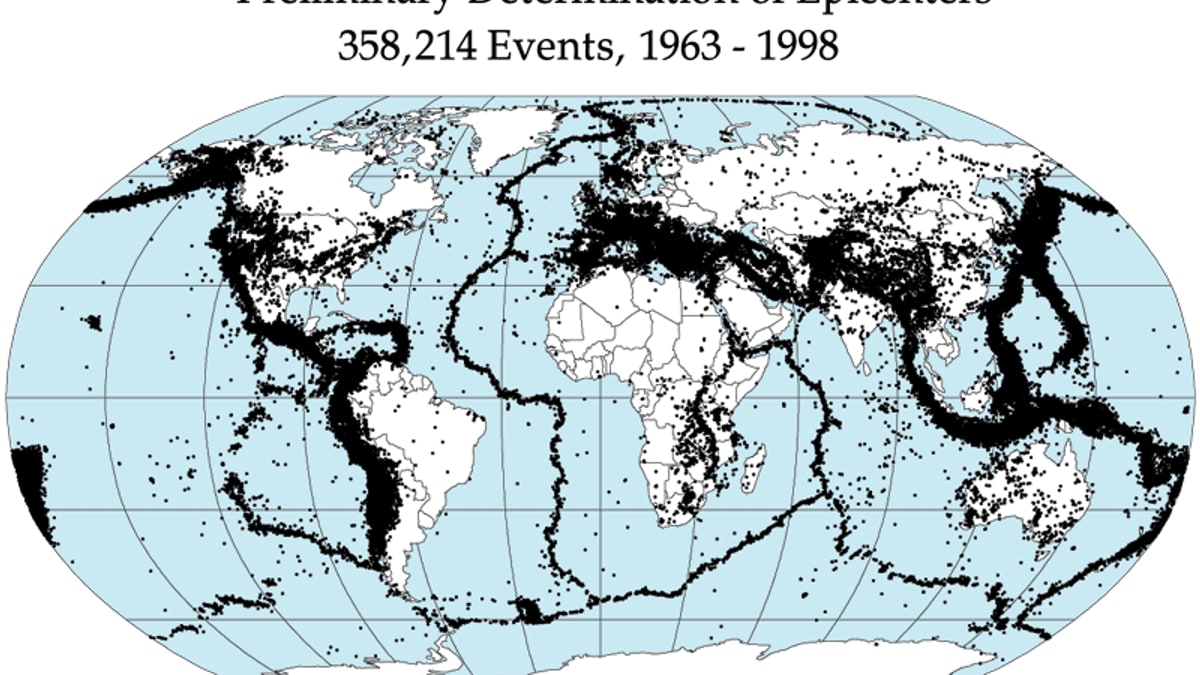
Speaking with senior geologists, 'The Freelance' learned that Indonesia, situated near the Pacific 'Ring of Fire', is one of the most seismically active zones globally. However, when these vibrations extend to India's interior (like Madhya Pradesh) and the Northeast (Tripura), it indicates escalating pressure between the Indian and Eurasian plates.
Conclusion: Preparing for Future Threats
This ground-and-data-driven investigation by 'The Freelance' makes it clear that nature is sending repeated warnings. Whether it is the 5.9 magnitude jolt in Indonesia or milder vibrations across Indian states, Earth's internal energy is releasing. Governments and disaster management agencies must move beyond post-disaster relief and focus rigorously on earthquake-resistant infrastructure and early warning systems.