Mountains of Garbage and Neglected Residential Zones
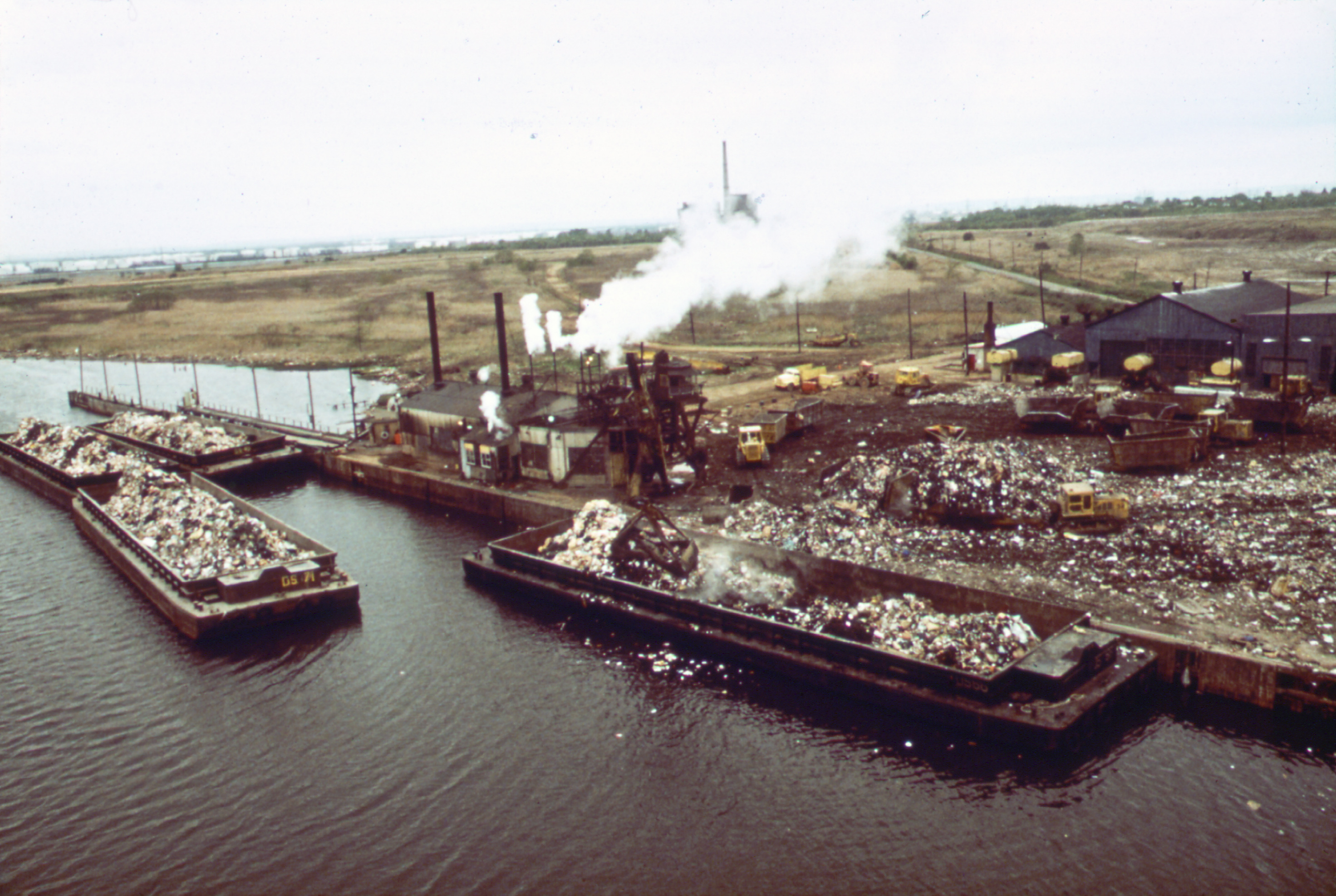
While major cleanliness campaigns are frequently publicized across the nation, ground realities in several urban pockets tell a starkly different story. In a densely populated residential sector, massive heaps of garbage accumulated right alongside railway tracks have made daily life a nightmare for ordinary citizens. Residents are forced to confront filthy surroundings and unbearable stench the moment they step out of their homes.
The situation has deteriorated to such an extent that families can no longer keep their doors or windows open due to the foul odor and swarms of insects. People of all age groups, from young children to senior citizens, are compelled to endure this unhealthy environment. Locals report that despite making repeated rounds of government offices to register complaints, no concrete remedial action has been initiated so far.
Rising Threat of Diseases and Mosquito Infestation
The ongoing monsoon season has amplified these health hazards manifold. Rainwater accumulation over discarded plastic bags, domestic waste, and construction debris near the railway line has transformed the area into a breeding ground for dangerous vectors. The unchecked growth of mosquitoes poses a grave threat of malaria, dengue, and other virulent viral fevers spreading rapidly through the neighborhood.
Medical professionals warn that leaving such massive open garbage dumps unchecked could easily trigger an outbreak of epidemic proportions. Citizens express deep frustration over the persistent apathy of municipal and railway authorities who have failed to deploy sanitation workers or set up a regular garbage collection mechanism for this zone.
Bureaucratic Apathy and Inter-Departmental Buck-Passing
A major obstacle in resolving this public grievance is the continuous buck-passing between railway authorities and the local municipal corporation. Residents allege that whenever they approach railway officials, they are directed to the municipal body under whose territorial limits the area allegedly falls. Conversely, civic authorities often cite railway jurisdiction to avoid taking responsibility.
Caught in this bureaucratic crossfire, ordinary citizens continue to suffer the consequences of institutional neglect. Local community leaders have warned that if authorities fail to clear the accumulated waste expeditiously, they will resort to democratic protests and demand accountability from the elected representatives and administrative heads.
Implications for Environmental Safety and Public Well-Being
The appalling condition of this locality highlights systemic flaws in urban waste management and civic oversight. Disposing of waste openly in close proximity to railway lines violates basic environmental protection norms and poses health hazards to train passengers as well. Comprehensive planning and inter-departmental coordination are urgently required to restore public hygiene and ensure a disease-free environment for the populace.