Empowering Farmers Through Modern Agricultural Schemes
Agriculture remains the backbone of the Indian economy, with millions of farmers depending on crop yields for their livelihoods. To reduce farming costs and enhance productivity, both central and state governments have introduced various financial assistance and subsidy programs. Modern agricultural technologies and equipment are often expensive for small and marginal farmers to afford independently, making government intervention crucial.
These schemes are designed not just to provide monetary relief, but to make farmers self-reliant and technologically equipped. Here are five major government schemes offering substantial subsidies to transform modern farming.
1. PM-KUSUM Scheme: Financial Support for Solar Pumps
Electricity and diesel expenses pose a major challenge for irrigation. To combat this, the Pradhan Mantri Kisan Urja Suraksha evam Utthaan Mahabhiyan (PM-KUSUM) assists farmers in installing solar pumps and solarizing existing agricultural pumps. According to the national portal, central financial assistance can cover up to 30 percent of the cost in general states and up to 50 percent in specific hilly or north-eastern regions, often supplemented by state subsidies.
2. Up to 55% Subsidy on Drip and Sprinkler Irrigation
Water conservation is vital for sustainable farming. Under the 'Per Drop More Crop' initiative of the Pradhan Mantri कृषि सिंचाई योजना (PMKSY), small and marginal farmers receive up to 55 percent financial assistance for installing drip and sprinkler irrigation systems, while other farmers receive up to 45 percent support.
3. Subsidies on Agricultural Machinery through SMAM
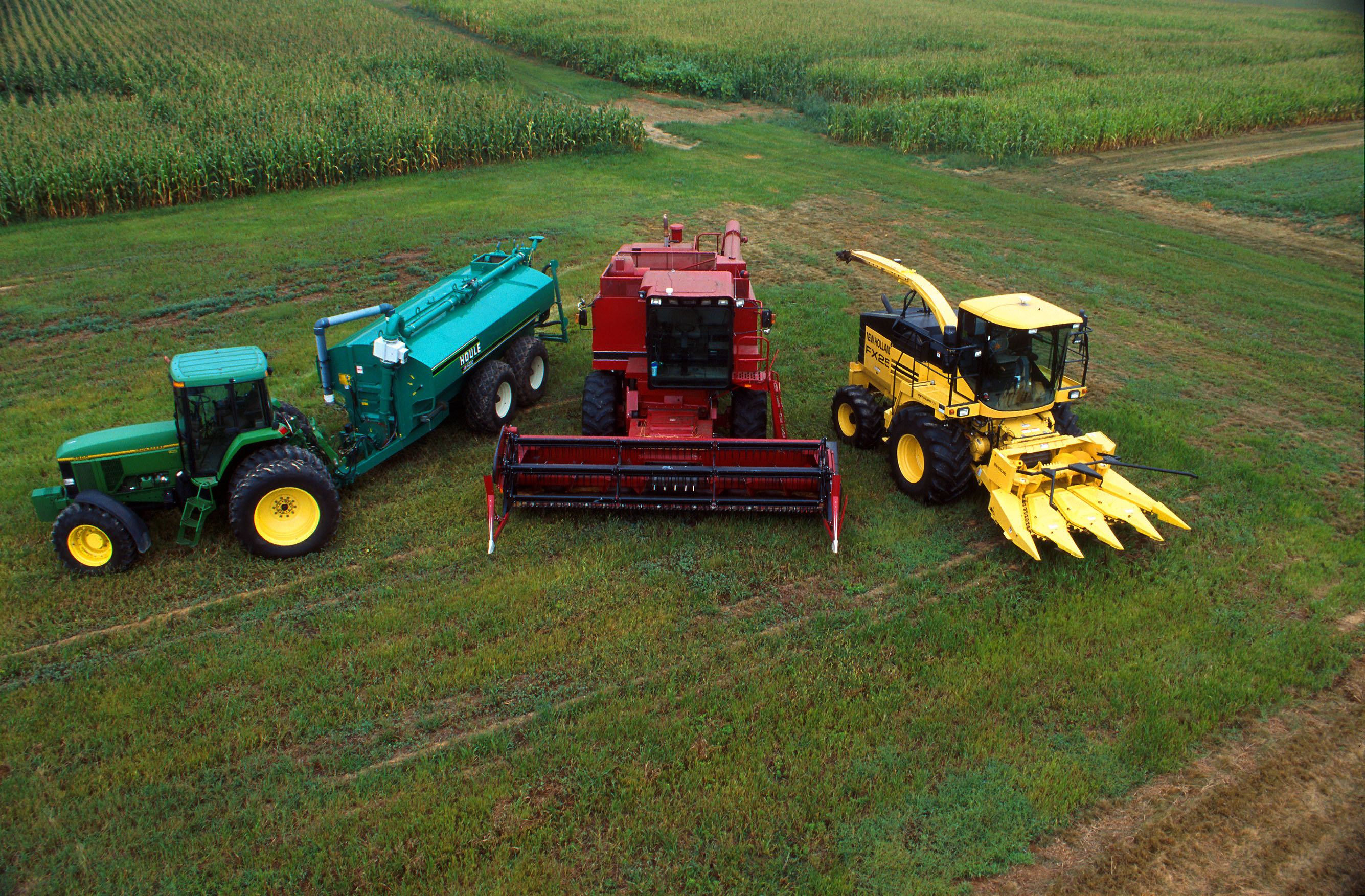
Timely farm operations require advanced machinery, which can be costly. Under the Sub-Mission on Agricultural Mechanization (SMAM), financial aid via Direct Benefit Transfer (DBT) is provided for purchasing tractors, power tillers, and other implements according to state-allocated targets.
4. Up to Rs 1 Crore Subsidy for Polyhouse Farming
Commercial horticulture and protected cultivation under the Mission for Integrated Development of Horticulture (MIDH) offer up to 50 percent credit-linked subsidies, reaching a maximum of Rs 1 crore per project, enabling farmers to engage in high-value off-season crop production.
5. PM-KISAN Scheme: Direct Income Support of Rs 6,000 Annually
Eligible farmers receive Rs 6,000 per year in three equal installments directly into their bank accounts under the PM-KISAN scheme, helping them manage basic agricultural inputs and seasonal expenses.
Conclusion and How to Apply
Subsidy amounts vary based on farmer category, landholding size, state policies, and project costs. Farmers interested in these benefits can check eligibility and apply through the respective official government portals.