
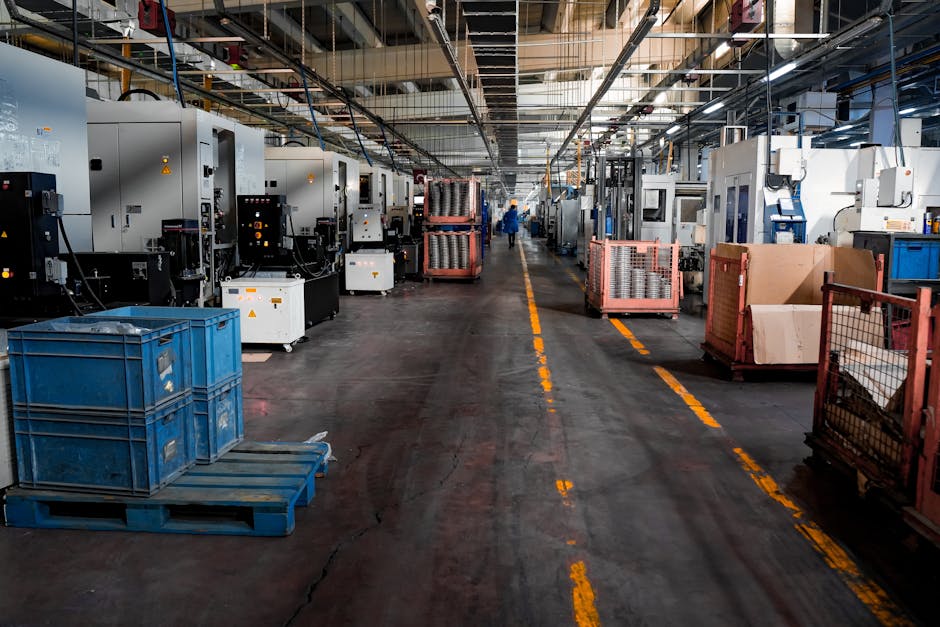
Industrial Discontent Rising Over Policy Shifts and Strict Regulations
The prominent industrial belt known across the country as a major textile manufacturing hub is currently witnessing severe economic friction. Industrialists are expressing deep frustration over delayed policy implementations, stringent National Capital Region regulations, and prolonged administrative red tape. For decades, the local manufacturing ecosystem has thrived, but recent regulatory shifts have tested the patience of entrepreneurs looking to expand their production lines.
The removal of the free zone status in specific local sectors has severely impacted dozens of blanket manufacturing units. Several entrepreneurs who had already acquired land and initiated foundational construction were forced to halt operations mid-way. Business associations argue that abrupt policy changes without a proper transition period severely hurt investor confidence, prompting them to look for alternative manufacturing destinations outside the state.
Capitalizing on this growing discontent, neighboring Uttar Pradesh has stepped up efforts to court these industrial investors. During recent textile fairs, government representatives from UP actively engaged with manufacturers, offering streamlined single-window clearances, substantial capital subsidies, and attractive power tariff concessions that instantly caught the attention of local industrialists.
Delayed Financial Subsidies Driving Manufacturers Away
Industry leaders point out that while policy documents boast numerous attractive schemes, execution at the ground level remains painfully slow. Freight subsidies and market development assistance reimbursements for attending trade fairs have remained pending for three to four years in several cases. Despite repeated follow-ups with government departments, files remain stalled, mounting financial pressure on exporters who rely heavily on timely cash flows.
Maintaining a smooth and transparent financial framework is essential for keeping manufacturing units competitive. When capital gets locked up in bureaucratic channels for years, businesses are forced to rely heavily on expensive commercial bank loans. In contrast, competing states are rapidly introducing business-friendly policies designed to minimize bureaucratic delays and ensure prompt financial incentives for incoming industrial investments.
Lucrative Policy Packages and Power Concessions by Neighboring State
The neighboring state's updated textile and garmenting policy offers attractive incentives, including up to a twenty-five percent capital subsidy on plant and machinery investments. Additional provisions feature land cost subsidies based on designated zones and complete electricity duty exemptions for new textile units extending up to a decade. Such comprehensive support systems provide a much safer and predictable business environment for expanding enterprises.
Furthermore, power tariff subsidies and financial assistance for setting up private textile parks make neighboring regions highly attractive for micro and medium-scale manufacturers. As entrepreneurs explore options beyond NCR boundaries, they find cheaper land parcels and friendlier regulatory frameworks, posing a serious challenge to the established industrial dominance of traditional manufacturing towns.


