Political Heat Rises After INDIA Alliance Meeting in Delhi
The recent high-level meeting of the INDIA alliance in New Delhi has sparked fresh debates across the Indian political landscape. Although the general elections are still far away, the opposition camp has already begun formulating its strategies. Top leaders from nearly 20 major opposition parties participated in the meeting, projecting a united front against the ruling dispensation.
Political analysts suggest that the biggest challenge for the opposition parties is to set aside their internal differences and formulate a cohesive common minimum program. Despite tall claims of unity, regional satraps continue to push their individual agendas, making the road ahead quite challenging.
Salman Khurshid's Bold Claim About 2029
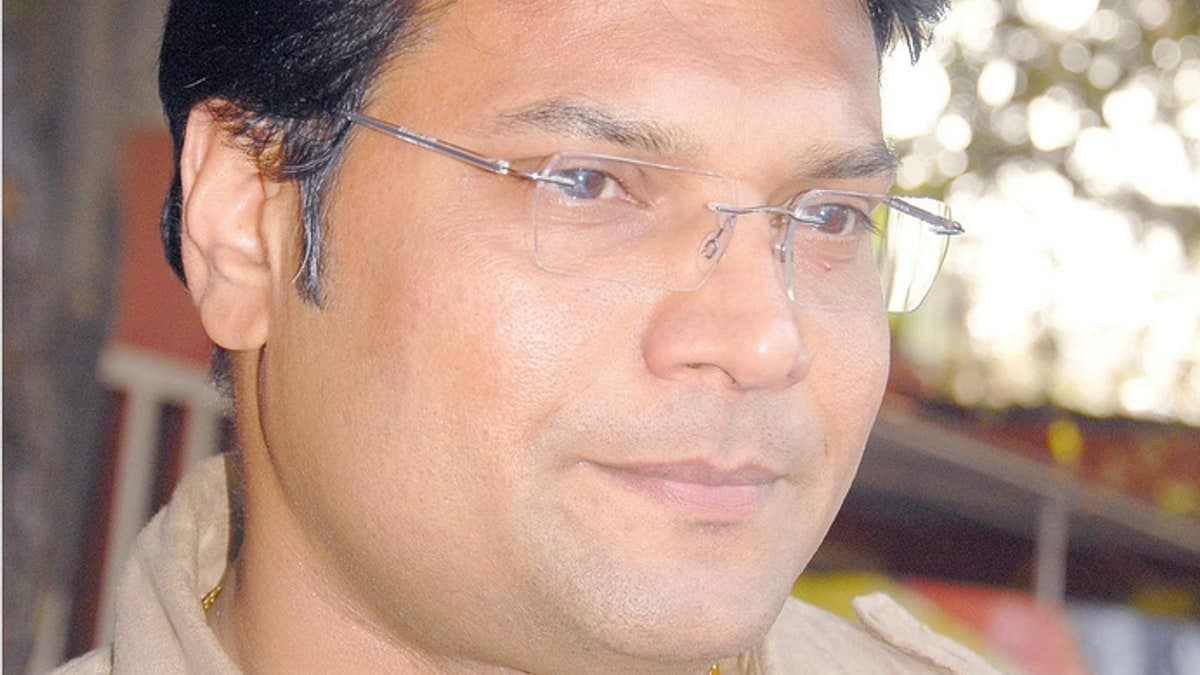
Senior Congress leader and former Union Minister Salman Khurshid praised the ongoing opposition unity, stating that the political narrative in 2029 will be vastly different. He noted that opposition leaders are currently focusing more on how they can contribute to the alliance rather than what they stand to gain personally.
While expressing optimism, Khurshid admitted that bringing diverse regional parties together was initially a daunting task, but their recent coming together marks a significant milestone in national politics.
Key Issues Highlighted by the Opposition
The opposition is planning to leverage several pressing public grievances, including the Special Intensive Revision (SIR) of electoral rolls, rising unemployment, recent paper leaks, and inflation affecting middle-class households and women. They believe that anti-incumbency built over the years can be successfully capitalized upon if they remain united.
Internal Dissensions Still Loom Large
Despite outward displays of unity, underlying fractures within the alliance remain evident. Shiv Sena (UBT) leader Uddhav Thackeray criticized Congress over unilateral approaches, while Samajwadi Party chief Akhilesh Yadav skipped the meeting entirely. Furthermore, Mamata Banerjee dodged questions regarding Rahul Gandhi as the potential prime ministerial face, highlighting the unresolved leadership conundrum within the bloc.