The Strait of Hormuz, connecting the Persian Gulf and the Gulf of Oman, is the most sensitive artery of global energy. Over the past few weeks, a single question has echoed from international media to diplomatic corridors—has Iran lost its traditional control over this strategic choke point? The picture emerging from inputs gathered by 'thefreelance' and analysis of global defense reports is complex and fraught with geopolitical turmoil.
American 'Wall of Steel' at the Strategic Chokepoint
Recent statements from the US leadership and Western nations have escalated tensions in the region. American declarations boast of erecting a strong 'wall of steel' at the entrance of the Strait of Hormuz. Strategically, this means the US Navy and its allies are aggressively implementing patrols and forward deployment policies to break Tehran's monopoly. This Western naval presence aims to counter Iran's threats of shutting down the waterway or detaining oil tankers.
The Geopolitical 'Key': Standoff Over Strategic Islands
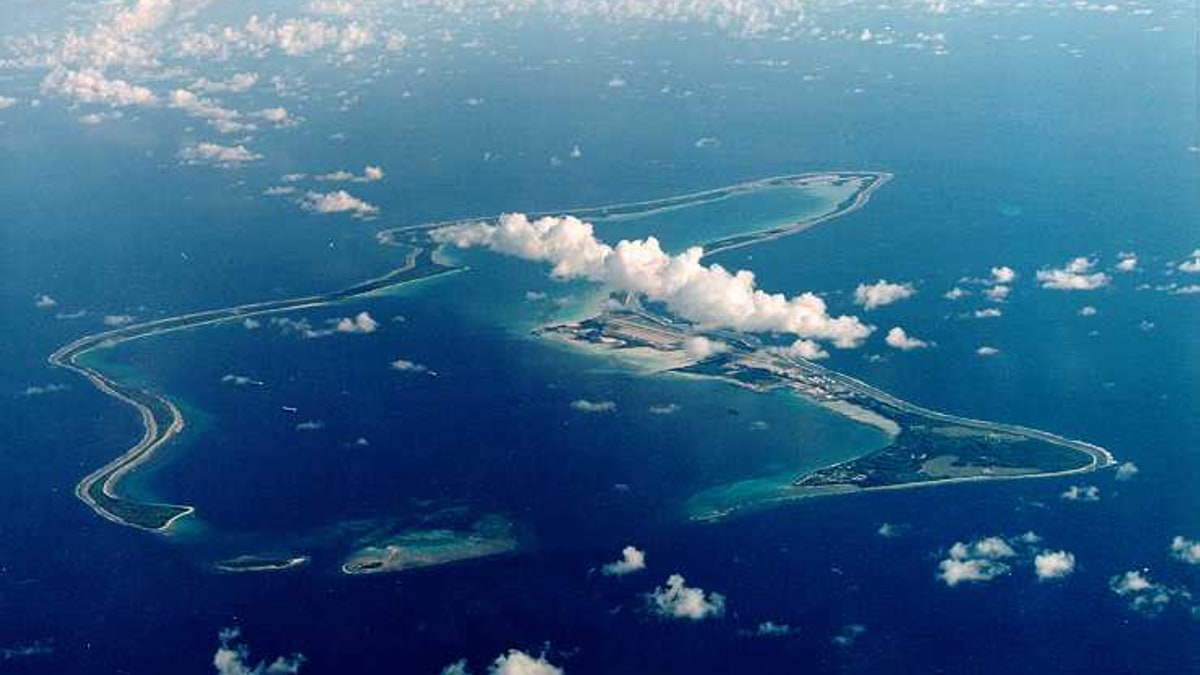
According to intelligence and defense analysts, the US and its allies have begun tightening their grip not just on the seas, but on strategic islands as well. Just as the Andaman and Nicobar Islands serve as a key to India's maritime security in the Indian Ocean, certain strategic islands at the mouth of Hormuz control this entire waterway. Recent US military actions around these areas have dealt a significant blow to Iran's strategic edge, prompting discussions on alternative shipping routes that inherently weaken Tehran's dominance.
Iran's Counter-Stance: War Until Regime Change Threats Cease
Conversely, Tehran is showing no signs of backing down. The Iranian leadership has made it clear that until conspiracies targeting their sovereignty and regime cease, this resistance will continue. Iran's defense establishment believes Western nations are waging psychological warfare to project a weakened control, while the Islamic Revolutionary Guard Corps (IRGC) maintains strict vigilance over the route. However, economic sanctions and military pressure have undoubtedly strained their operational capacity.
Shifting Shipping Routes and Global Energy Concerns
The most profound impact of this standoff is visible on global shipping and energy supplies. A third of the world's LNG and a massive share of crude oil pass through this strait. Amid this uncertainty, commercial shipping companies are exploring secure corridors and alternative routes. If Iran's traditional control over the Strait of Hormuz completely erodes, it could trigger severe volatility in global oil markets, directly impacting import bills for economies like India.
Conclusion and the Road Ahead
Currently, the situation resembles a proxy war and a psychological battle. To claim Iran has entirely lost control would be premature, but there is no denying that aggressive US naval strategies and the 'wall of steel' concept pose a grave challenge to Tehran's strategic monopoly. 'The Freelance' investigation indicates that these waters of the Persian Gulf remain a tinderbox, drawing the anxious attention of the entire world.