
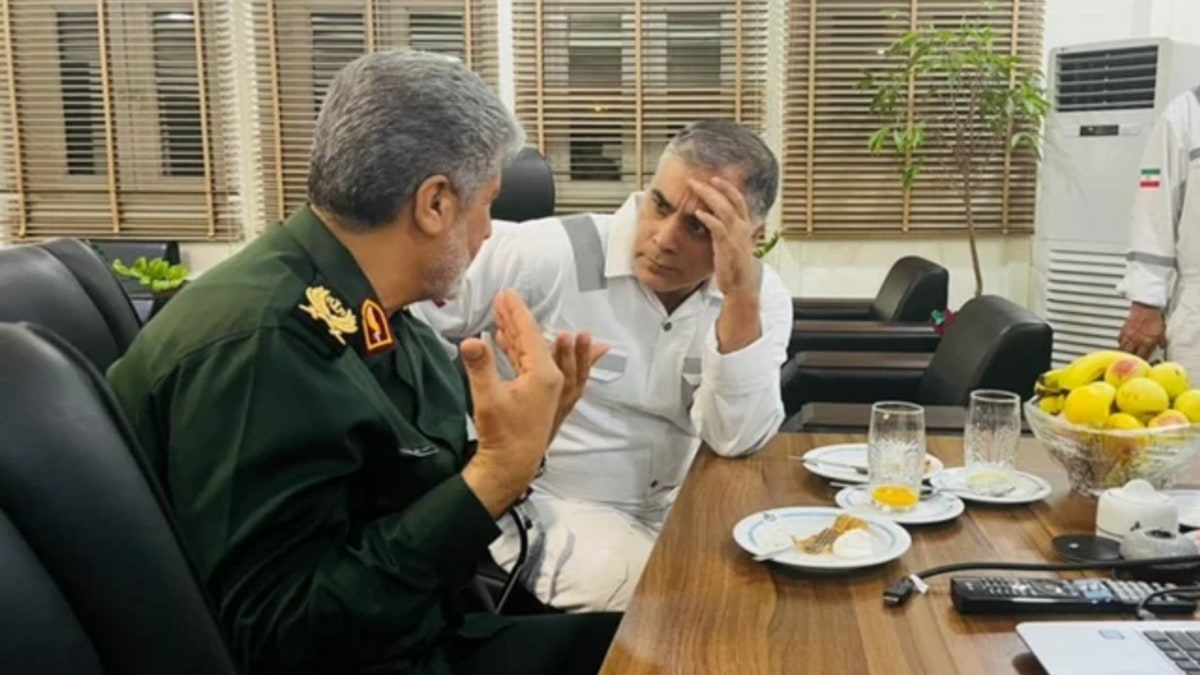
Tehran / New Delhi: Amid escalating geopolitical tensions with the United States, Iranian Oil Minister Mohsen Paknejad has abruptly resigned from his post. While official reasons for his departure remain undisclosed, the appointment of Hamid Bovard as the acting oil minister has triggered widespread speculation across global energy markets. The Freelance's investigative desk is closely monitoring these developments as they unfold in West Asia.
The Resignation of Mohsen Paknejad: Strategic Shift or Internal Pressure?
Paknejad's exit comes at a critical juncture when Iran is grappling with stringent international sanctions and heightened friction with Washington over its nuclear and economic policies. Energy analysts suggest that given oil's pivotal role in Iran's economy, a change at the helm of the Ministry of Petroleum during such volatile times signals a potential recalibration of Tehran's strategic priorities.
Hamid Bovard Steps In: The New Acting Minister
Following Paknejad's resignation, Hamid Bovard has been tasked with steering the nation's vital energy sector as the acting minister. Bovard faces an uphill battle in maintaining crude production and navigating circumventing sanctions to keep Iran's oil flowing in the international market.
Global Energy Implications
- Crude Oil Volatility: Global markets are closely watching the leadership transition, anticipating potential supply chain disruptions.
- Sanctions Pressure: The ongoing standoff between Washington and Tehran continues to heavily influence Iran's energy diplomacy.
- Strategic Alliances: Bovard will need to aggressively manage key export partnerships to sustain the Iranian economy.
The Freelance will continue to track these developments and provide deeper investigative insights into how this transition impacts global politics and energy security.


