
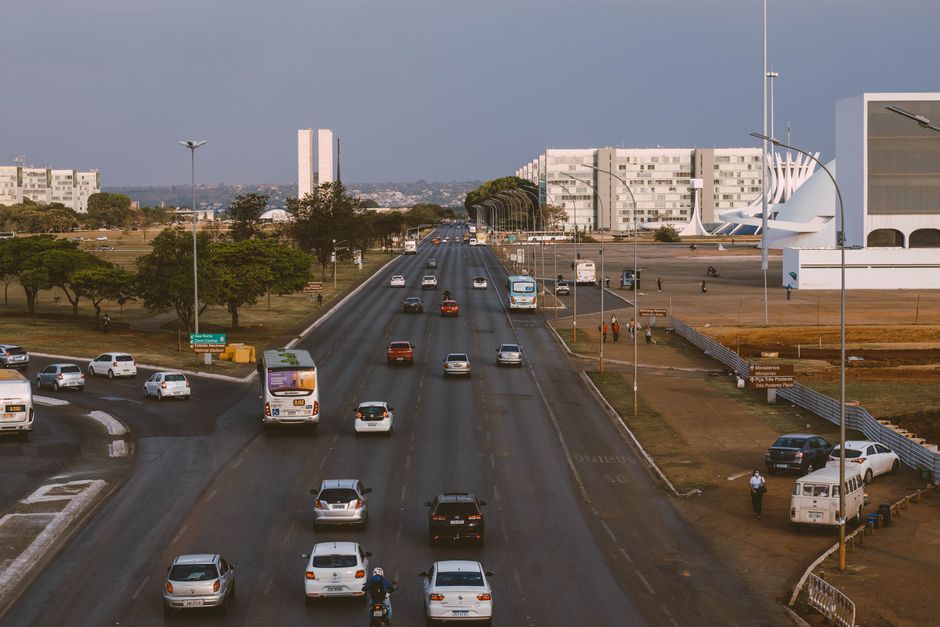
BRASILIA — The political landscape in Latin America's largest economy is shifting rapidly as Brazil prepares for its pivotal 2026 general elections. With debates centering on fiscal discipline, social welfare expansion, and international trade alignments, the upcoming electoral cycle is drawing intense global scrutiny from investors, diplomats, and international organizations alike.
Current policy discussions within the National Congress reflect a divided electorate. Economic analysts note that the path of inflation, currency stability, and public debt management will serve as primary battlegrounds for presidential and congressional hopefuls. Furthermore, environmental policy and the nation's commitments to global climate agreements remain central to international diplomatic relations, particularly with the European Union and the United States.
Civil society organizations and electoral authorities are also bracing for potential challenges regarding disinformation campaigns and digital security. Measures are being implemented to safeguard democratic institutions and ensure transparency across digital platforms, learning lessons from previous electoral cycles in the region.
Key Highlights
- Brazil's 2026 general elections are attracting intense global economic and diplomatic interest.
- Fiscal policy, inflation management, and environmental commitments are central campaign debates.
- Electoral authorities are implementing stringent measures against digital disinformation.
Ultimately, the 2026 elections will not only shape Brazil's domestic trajectory for the next half-decade but will also heavily influence geopolitical alignments across South America and broader multilateral frameworks.


