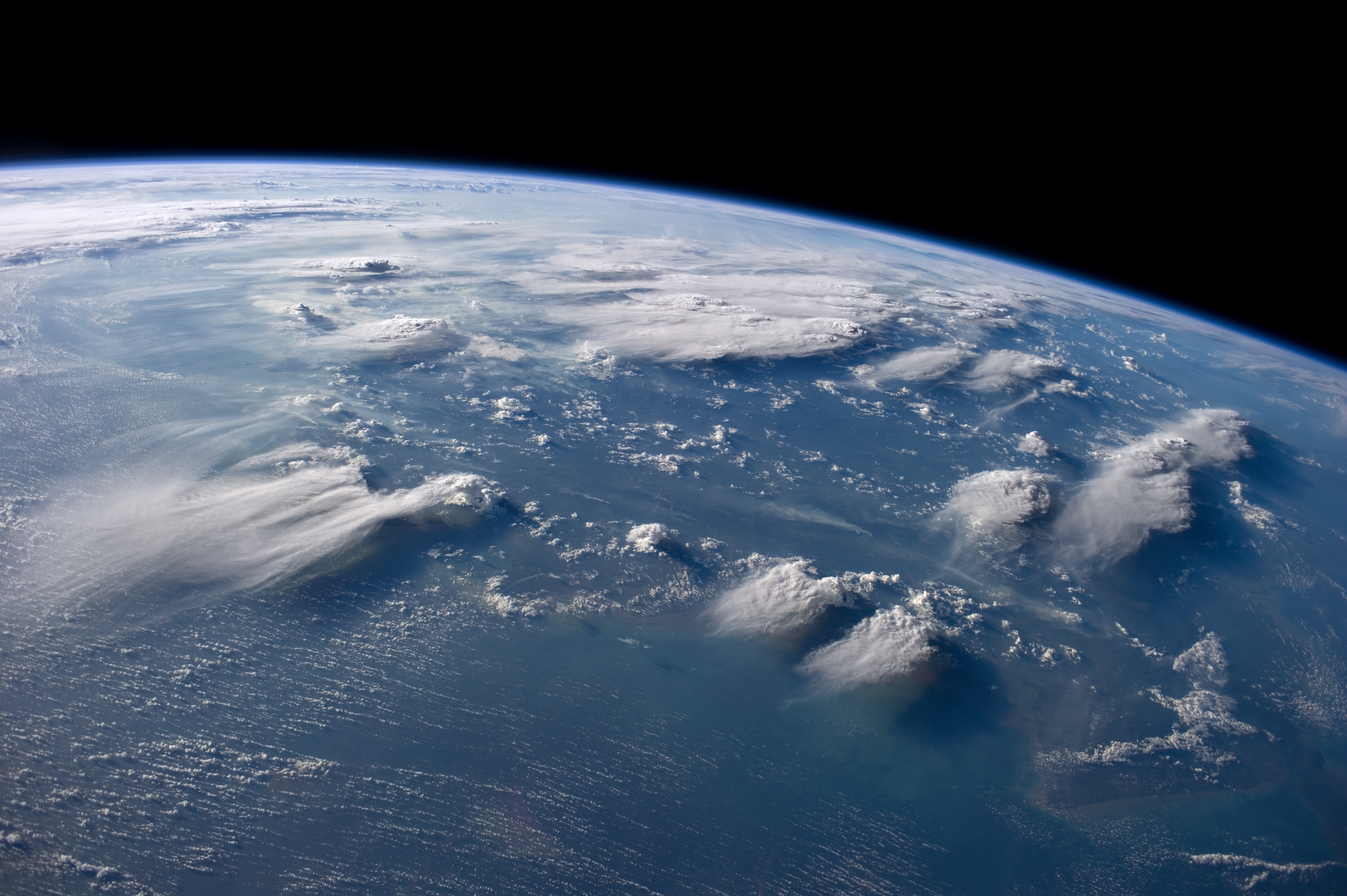
Normally, September marks the withdrawal of the southwest monsoon from India. By this time, rainfall gradually decreases, and people look forward to relief from humid conditions. However, the end of September has defied traditional weather patterns, bringing heavy rains and floods to multiple regions across the country, disrupting daily life.
According to experts, this unseasonal downpour is driven by multiple active weather systems. As moisture-bearing winds from the Bay of Bengal moved northward during the withdrawal phase, eastern and central parts of India witnessed heavy showers. Rivers in states like Odisha have swelled, while landslides in hilly terrains have severely disrupted traffic and daily routines.
The Western Disturbance and Pakistan Weather Connection
A major catalyst behind this unusual weather pattern is the Western Disturbance. Typically, these systems become active during the winter months, bringing rain and snow to northern India. Originating from the Mediterranean Sea, they travel across Pakistan before entering the Indian subcontinent.
In the current scenario, however, this western disturbance has activated unusually early in late September. When these cold winds coming via Pakistan collided with warm, moisture-laden air masses from the Bay of Bengal, a massive atmospheric interaction took place, creating severe instability and leading to heavy downpours and snowfall in the hills.
Rainfall Alerts and Temperature Drop Across States
The Meteorological Department has issued warnings for heavy rainfall across northwestern India over the coming days. Regions including Delhi-NCR, Punjab, Haryana, Rajasthan, and Chandigarh are expected to experience intense showers accompanied by gusty winds.
In places like Chandigarh, sudden rainfall has caused temperatures to drop by up to seven degrees Celsius, bringing an early hint of winter. Experts suggest that the lingering effects of El-Nino may further influence the upcoming winter season significantly.
Climate Change and Shifting Weather Cycles
Scientists emphasize that such extreme and unpredictable weather events are direct consequences of global warming and climate change. Shifting monsoon patterns have made extreme conditions like sudden floods increasingly common.