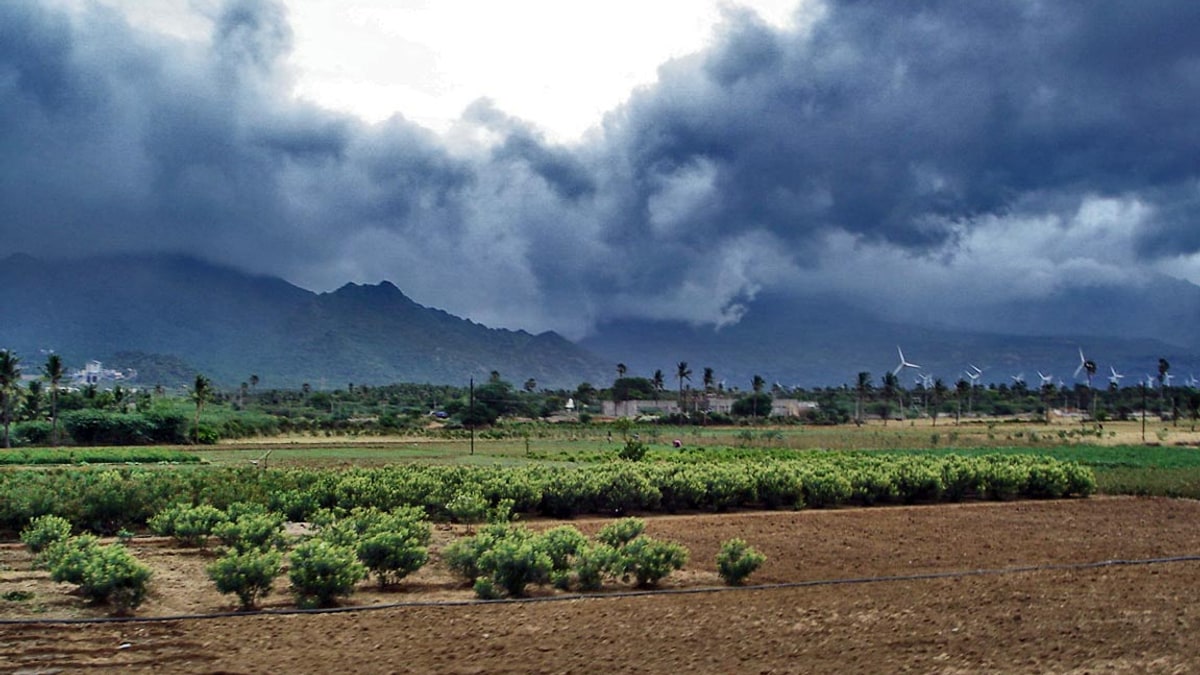
The Freelance, New Delhi / Ground Report: The withdrawal of the monsoon across the Indian subcontinent has presented a striking contrast this year. According to fresh IMD data and our ground investigations, the exit phase is proving to be a mixed bag, bringing localized relief in some regions while spelling economic disaster and drought-like pressures in others.
Early Exit and Localized Relief in UP and Rajasthan
Our field reports indicate that the monsoon retreated from Uttar Pradesh nearly a week ahead of its normal schedule. However, before departing entirely, it offered a brief spell of heavy showers. In Fatehpur, good rainfall has replenished dry ponds and lakes, raising groundwater table hopes and offering respite to local fauna. Similarly, in regions like Udaipur and Dholpur in Rajasthan, pre-withdrawal rains added temporary vigor to the landscape.
The Charkhi Dadri Crisis: Crushing Financial Burden on Farmers
Perhaps the most alarming fallout of deficient monsoon performance is being witnessed in rural Haryana. In Charkhi Dadri, inadequate rainfall during the peak monsoon months has left fields parched, forcing farmers to rely entirely on heavy groundwater extraction for the upcoming rabi sowing season. Local estimates suggest this will impose an additional financial burden of nearly four million rupees on farmers for irrigation costs alone.
Conclusion and Policy Implications
As the monsoon officially makes its exit amidst scattered storm alerts in several states, The Freelance's ground investigation underscores a grim reality: climate change is rapidly destabilizing India's traditional weather cycles. Without robust localized water management strategies, the agrarian economy will remain dangerously vulnerable to the whims of erratic monsoons.