The Dynamics of Street and Parliamentary Protests

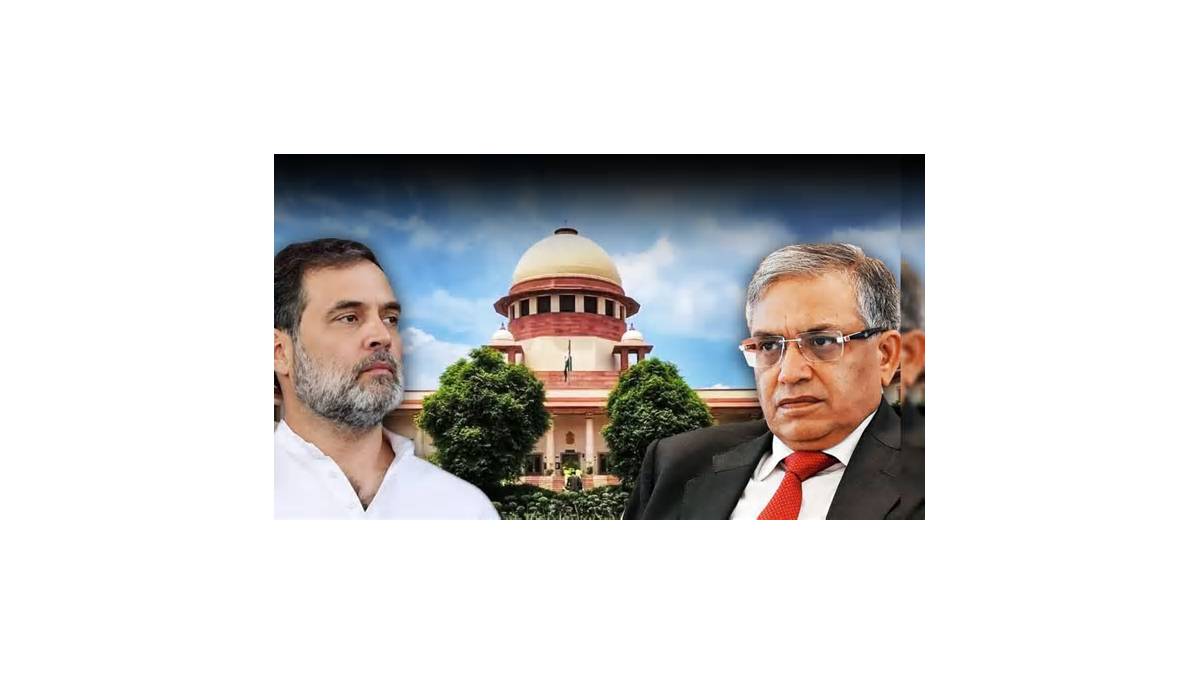
Protests have always been an integral part of Indian democracy, but the recent demonstrations near sensitive institutional zones have sparked a massive debate. Opposition leaders, spearheaded by Congress leader Rahul Gandhi, have intensified their agitation against central government policies. This article explores the friction between democratic dissent and institutional decorum.
Political circles in New Delhi are abuzz with intense activity. While the ruling administration defends its policy roadmap, the opposition continues to raise pressing concerns regarding economic issues and institutional autonomy. When protests spill over near the corridors of power, they transcend basic political rivalry and touch upon constitutional nuances.
Opposition Strategy and Aggressive Posturing
Rahul Gandhi has taken a frontline role in challenging the current political establishment. His narrative aims to connect grassroots grievances directly with national legislative debates. Supporters argue that such aggressive opposition is vital to keep the government accountable, while critics view it as a disruption of parliamentary proceedings.
Ruling Party Response and Institutional Respect
The ruling alliance has strongly criticized the protest tactics, stating that they undermine the sanctity of national institutions. Government representatives maintain that dialogue and debate inside the house are the proper channels for addressing grievances, rather than disruptive demonstrations outside.
As political alignments shift ahead of upcoming electoral battles, the fallout from these protests will undoubtedly shape the national discourse for months to come.