
The Evolution of Modern Tourism: Beyond Monuments and Photographs
The way people explore the world has undergone a massive transformation. Gone are the days when a vacation meant rushing through famous historical monuments, ticking off sightseeing checklists, and snapping photographs to return home. Today's modern traveler looks for deeper connections, seeking to immerse themselves in local cultures, traditional lifestyles, and authentic regional flavors.
Highlighting this paradigm shift, the Department of Tourism organized a special Creators Conclave at the Rajasthan International Center in Jaipur on World Tourism Day. The event brought together over a hundred travel bloggers, digital content creators, hospitality sector stakeholders, and enthusiastic young minds. Deputy Chief Minister and Tourism Minister Diya Kumari, addressing the gathering, emphasized that the very definition of tourism has transformed remarkably in recent years.
She pointed out that modern tourists no longer wish to remain mere spectators of history. Instead, they want to be active participants in the local way of life. This changing mindset has triggered a massive surge in demand for rural tourism and homestays, where travelers prefer living alongside local families to understand their daily routines, local cuisines, and age-old traditions.
Collaborating with Digital Creators to Shape Future Travel Strategies
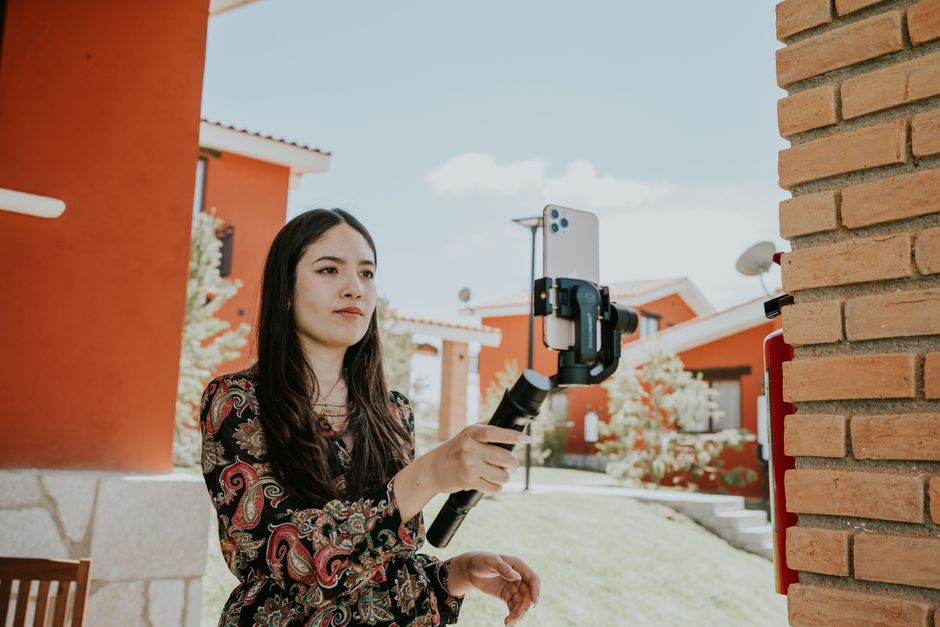
In the digital age, social media dictates travel trends. Instead of traditional travel agencies, people now discover breathtaking destinations through Instagram reels, YouTube vlogs, and online travel journals. Recognizing this immense digital influence, the state government has decided to closely collaborate with content creators and social media influencers to design upcoming tourism initiatives.
The Deputy Chief Minister noted that interacting with young travel bloggers provided fresh insights into what truly captivates modern audiences. Creators understand precisely what kind of visual storytelling strikes a chord with viewers and which hidden destinations are gaining momentum. By moving away from conventional bureaucratic meetings and engaging directly with digital influencers, the government aims to frame a more dynamic and engaging roadmap for the future.
Unlocking Hidden Destinations and Promoting Rural Tourism
While Rajasthan has always been globally celebrated for its majestic forts and grand palaces, the state possesses a vast treasure trove of unexplored destinations that remain untouched by mainstream tourism. The government's strategic focus is now directed towards discovering and promoting these hidden gems to expand economic benefits to local communities.
Beyond the bustling markets of Jaipur, destinations in regions like Barmer, Pushkar, Jaisalmer, Jodhpur, and the scenic southern districts of Dungarpur, Pratapgarh, and Banswara offer incredible unexplored beauty. Bringing these offbeat locations onto the tourism map will not only boost regional employment but also strengthen local micro-economies while preserving the authentic soul of rural heritage.


