Political Tensions Rise Over Seat Sharing in Uttar Pradesh
Political activity in Uttar Pradesh has intensified ahead of the upcoming assembly elections, with disagreements emerging over seat-sharing formulas within the opposition INDIA bloc. Leaders from both the Samajwadi Party (SP) and the Congress have expressed varying views on how seats should be distributed, signaling potential friction in their alliance.
While Congress leaders are pushing for a substantial number of seats to revive their organizational base, SP leaders maintain that allocations must strictly reflect ground reality and historical electoral performance. This dynamic has sparked intense debate across political circles in the state.
Imran Masood's Warning to the Samajwadi Party
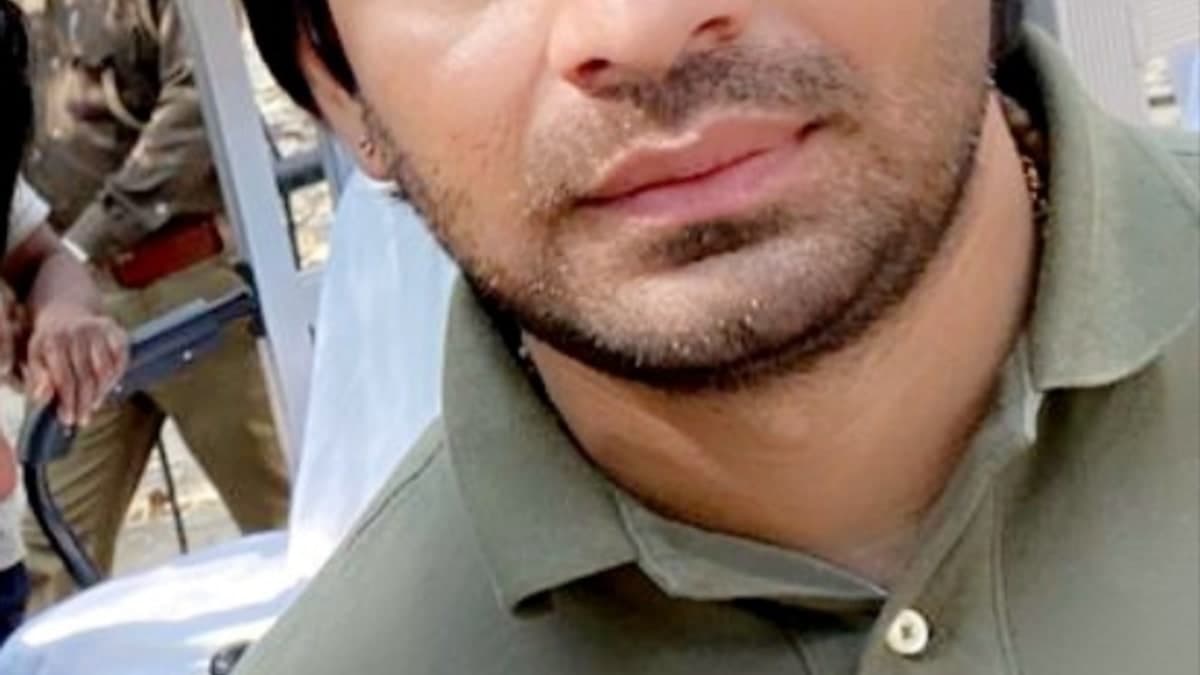
Recently appointed Uttar Pradesh Congress working president Imran Masood addressed the alliance's dynamics in a media interaction, stating that while relations are intact, strategic cooperation is vital. He remarked that fighting the ruling party requires pooled resources and collective preparation.
Reacting to SP chief Akhilesh Yadav's remarks about using winnability as the sole criteria for seat sharing, Masood described Congress as a protective shield for the coalition. He cautioned that undermining or removing this shield would ultimately harm the Samajwadi Party more than anyone else.
"Congress is like sodium that can ignite water. Though it may appear small, it plays a massive catalytic role. Congress is a shield; if you remove it, the loss will be entirely yours." — Imran Masood, Working President, UP Congress
SP MP Questions Congress's Electoral Weight
On the other hand, Samajwadi Party MP SP Singh Patel voiced skepticism regarding Congress's demand for a large share of seats. He asserted that seat distribution must depend strictly on active legislative strength, organizational setup, and ground workers.
Patel claimed that Congress benefited significantly from past alliances and suggested that realistic assessments must guide future seat negotiations. The back-and-forth between leaders from both camps highlights the delicate nature of opposition unity in the politically crucial state.
As discussions continue, political observers note that a timely and amicable resolution regarding seat sharing will be critical for both parties to mount a formidable challenge in the upcoming electoral battle.