Escalating Tensions Between Russia and NATO
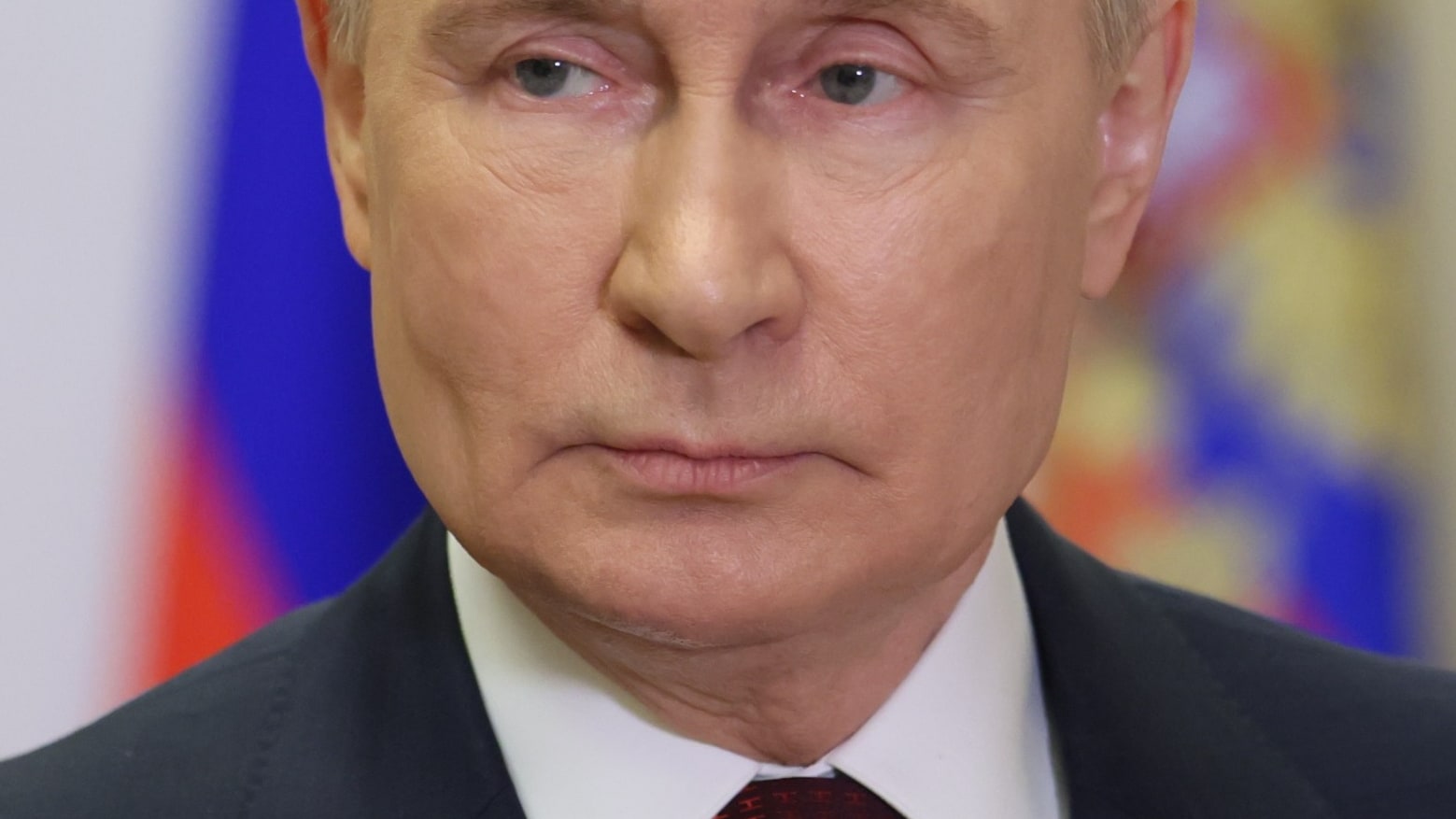
Global attention has once again turned sharply toward the intensifying friction between Moscow and Western powers as Russian President Vladimir Putin delivered a stern and ominous warning regarding the strategic Baltic enclave of Kaliningrad. The Russian leader made it explicitly clear that any direct assault on this isolated territory would force Moscow to consider deploying every weapon in its arsenal, including nuclear capabilities. The repetition of such a severe warning within a span of an hour underscores the deep frustration and urgency felt by the Kremlin concerning recent Western military postures and encirclement tactics.
This critical diplomatic escalation began after Moscow transmitted formal warnings to the NATO alliance, accusing member states of orchestrating threats aimed at isolating or blockading Kaliningrad. Conversely, NATO has vehemently rejected these assertions, criticizing the frequent invocation of nuclear rhetoric by Russian authorities. Amid the protracted conflict in Ukraine, this friction has widened the chasm between Moscow and the Western military alliance, pushing international security concerns to unprecedented heights.
The Valdai Discussion Club Address
Speaking before the prestigious Valdai Discussion Club in Moscow, President Putin sought to establish firm boundaries for Western governments. He reiterated that while Russia harbors no hostile intentions toward any European nation, it remains fully prepared to retaliate against Western aggression should the need arise. Highlighting Kaliningrad—a Russian territory wedged between NATO members Poland and Lithuania—Putin underscored the sensitivity surrounding its security status and sovereignty.
The Russian warnings followed closely on the heels of extensive NATO military exercises conducted near the borders of Kaliningrad. While Western officials characterized these drills as routine defensive preparations aimed at strengthening deterrence, Moscow views them as provocative maneuvers designed to test Russian resolve. Russian authorities have repeatedly voiced deep concern over escalating naval and aerial activities in the Baltic Sea, viewing them as deliberate steps to heighten regional instability.
Strategic Significance of Kaliningrad
Geographically detached from the Russian mainland and entirely surrounded by NATO territory, Kaliningrad functions as an isolated exclave. Positioned between Poland and Lithuania, it requires travelers crossing land borders to traverse multiple foreign countries to reach the Russian core. Despite this logistical vulnerability, the region holds immense strategic and military importance for Moscow. Because its Baltic Sea ports remain ice-free throughout the year, Kaliningrad serves as the primary base for the Russian naval fleet and acts as an impenetrable fortress capable of projecting power deep into Europe.
This unique geopolitical positioning makes NATO members inherently cautious. Putin's unequivocal statement that any direct threat to the sovereignty of Kaliningrad would immediately bring all categories of Russian weaponry onto the agenda serves as a stark reminder of the region's volatility. Analysts note that this rhetoric establishes a definitive red line for Moscow, warning Western planners of the catastrophic consequences of miscalculation.